
Certificate of Authenticity for Art & Antiques
A COA is the primary instrument through which the art trade allocates legal responsibility, establishes market value, and makes transactions possible. This guide covers history, legal status, required content, and current best practices.
What is a certificate of authenticity?
A certificate of authenticity is a formal document accompanying an artwork or antique that attests to its authorship, origin, and material characteristics. It can be issued by the artist, a gallery, a recognised expert, an artist's foundation, or the selling professional on the secondary market.
Its legal weight depends entirely on the issuer's identity and authority, the specificity of claims made, and the jurisdiction. A COA is not a guarantee of truth. It is a structured act of professional responsibility with real legal consequences for the issuer.
For art dealers, gallerists, and antique professionals, issuing a well-structured certificate is both a legal obligation in several jurisdictions and a direct commercial advantage: it signals professionalism, protects buyers, and supports resale value.
A brief history of art authentication
From Greek pottery signatures to blockchain registries.
Ancient world & Renaissance
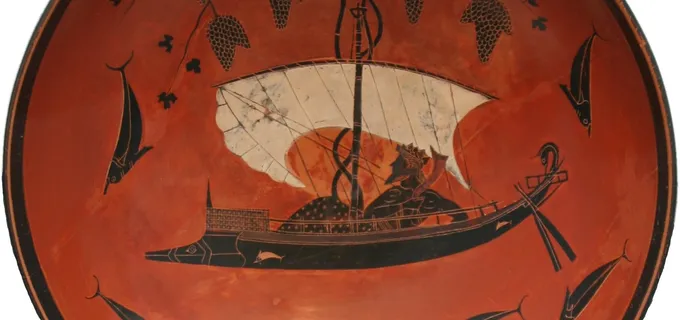
Authentication is as old as the art market itself. Greek potters inscribed their names on ceramics using two distinct formulae: epoiesen ("made by") and egraphsen ("painted by"), functioning as quality marks and origin guarantees. Forgeries of signatures existed almost immediately. In Renaissance Italy, notarized commissions specified materials, authorship, pigment quality, and penalties for non-compliance. These contratti protected patrons from non-conforming deliveries and served as the earliest formal certificates tied to an object.
17th–19th century: the dealer era
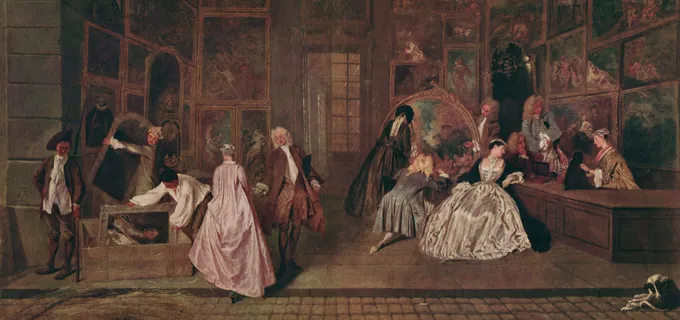
The emergence of a free art market in 17th-century Netherlands, where works traded without prior commission, made the dealer's reputation the sole authenticity guarantee. When Christie's (1766) and Sotheby's (1744) formalized public auctions, their sale catalogues became implicit certification: attribution in print carried commercial and reputational weight. The first formal catalogue raisonné appeared in 1736 (Gersaint, Paris). By 1836, dealer John Smith published a systematic Rembrandt catalogue driven by a conviction that identifying authentic works was necessary "to protect the integrity of the market."
The forgery crises (1937–2010)
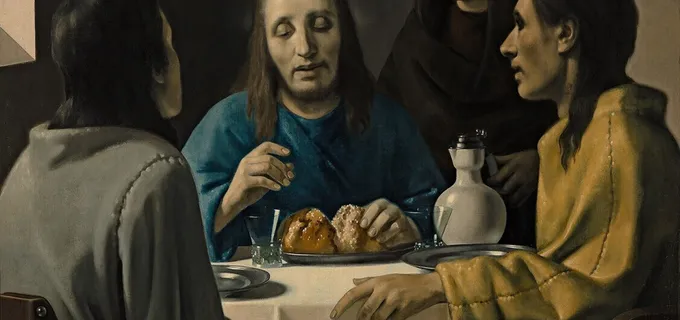
Han van Meegeren's fake Vermeers, sold to leading museums and Hermann Göring, shattered confidence in connoisseurship alone when exposed in 1945. Scientific materials analysis became indispensable. Later, Elmyr de Hory fabricated hundreds of Picassos and Matisses sold by reputable dealers. Wolfgang Beltracchi's expressionist forgeries, exposed in 2010 only by a single anachronistic pigment (titanium white), confirmed that even forensic analysis requires expert combination: pigment chemistry, carbon-14 dating, provenance documentation, and stylistic expertise must work together.
Institutional collapse (2011–12)
Artist authentication boards emerged as market gatekeepers: the Warhol, Basquiat, Haring, and Lichtenstein committees became the only paths to sale at major auction houses. But structural conflicts (foundations owning works they authenticated), combined with litigation pressure, destroyed them. The Andy Warhol Foundation spent over $7 million defending lawsuits before dissolving its board in 2011. Basquiat and Haring followed in 2012. Their collapse left a market vacuum that blockchain, AI, and registry tools are still trying to fill.
The digital era (2018–present)
Christie's partnered with Artory in 2018 for the first blockchain provenance pilot. Synthetic DNA markers (Tagsmart) physically link objects to digital records. AI systems analyze brushstroke patterns as biometric fingerprints. Yet the core problem remains: none of these technologies validates the initial claim. A forgery registered on a blockchain is still a forgery. Multi-layer authentication combining documentary provenance, expert opinion, scientific analysis, and tamper-resistant registration remains the only reliable standard.
First maker signatures on ceramics
Notarized commissions as proto-certificates
Gersaint publishes the first catalogue raisonné
John Smith's Rembrandt catalogue
Van Meegeren affair, end of pure connoisseurship
UNESCO Convention & provenance cut-off
France's Marcus Decree
UNIDROIT Convention
Warhol, Basquiat, Haring committees dissolved
Blockchain, DNA tagging, AI analysis
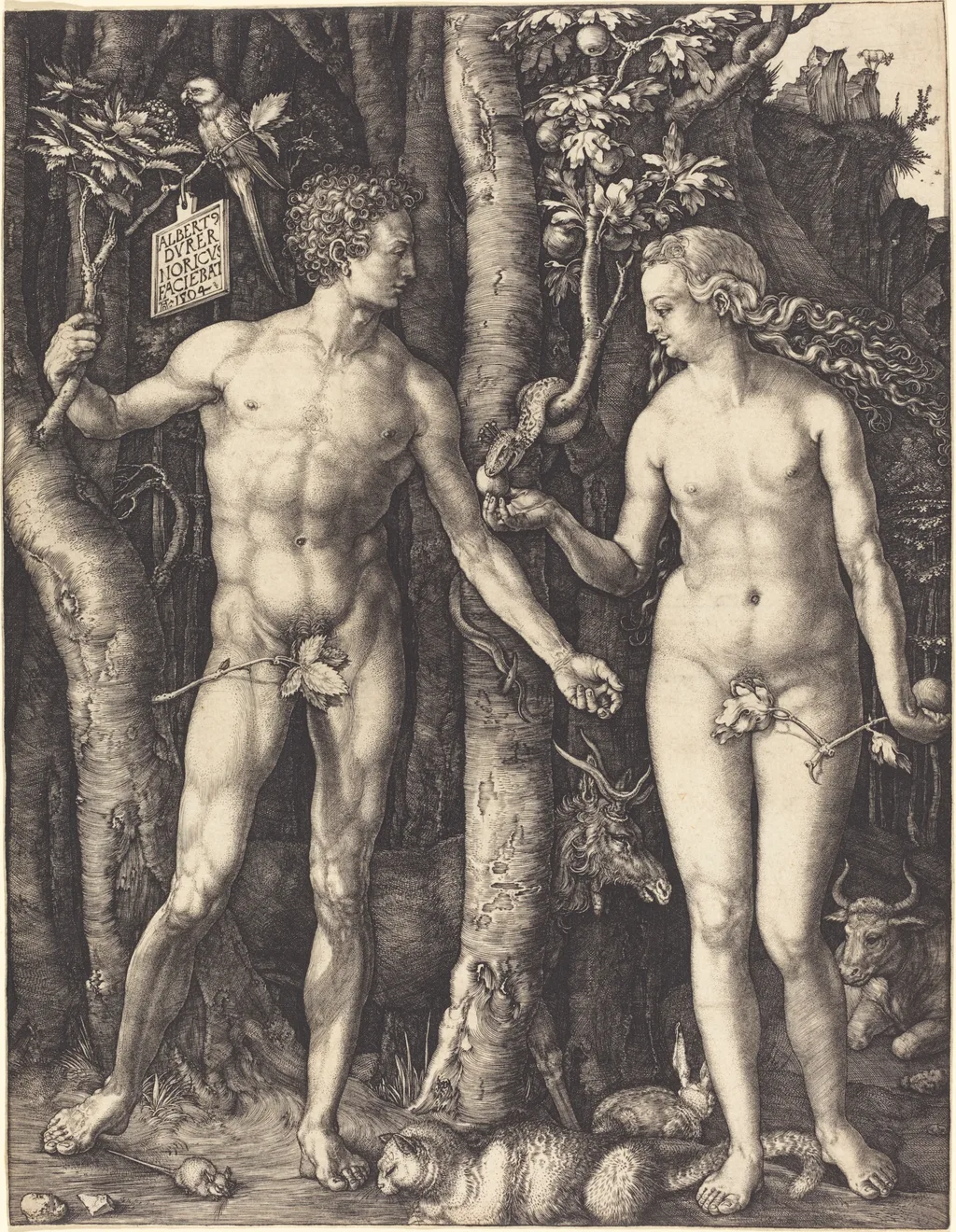
What goes in a certificate of authenticity?
Each element carries legal and commercial weight. None is optional.
Precise identification
Title, dimensions, medium, date. Vague descriptions are legally weak.
Photograph of the work
Prevents certificate transfer to a different object.
Issuer identity & authority
Name, professional status, and basis of the attribution.
Attribution language
Statutory phrases: "work by" / "attributed to" / "school of". Each phrase carries a different degree of legal certainty.
Provenance summary
Known ownership history. Must reach back to 1970 for any antiquity.
Date of issue & signature
Anchors the legal validity of the claim at a point in time.
Security elements
Serial number, QR code, or tamper-evident seal.
Explicit limitations
State what the certificate does not cover. This is legal hygiene, not weakness.
Legal framework
Key instruments every professional should know.
Marcus Decree (Décret no. 81-255)
Requires professional sellers to use specific statutory phrases calibrated to the degree of certainty of attribution. Violations carry criminal liability. One of the most specific national COA laws in the world.
UNESCO Convention
1970 is the industry provenance cut-off. Any acquisition without pre-1970 documentation is considered non-compliant by major institutions. Ratified by 141 states.
UNIDROIT Convention
Creates binding restitution obligations for stolen cultural property, including for good-faith acquirers. Makes provenance verification at acquisition a legal necessity.
Arts & Cultural Affairs Law §13.01
A written attribution by an art merchant to a non-professional buyer constitutes an express warranty, not merely an opinion. Breach entitles the buyer to full remedy.
Auction house warranties
Christie's, Sotheby's, Bonhams, Phillips embed 5-year authenticity warranties covering outright forgery but not misattribution. This is a meaningful distinction buyers often overlook.
Art Loss Register
Standard pre-acquisition check. Certifies a work is not recorded stolen but does not authenticate authorship. Consulting it is now expected by institutions and serious collectors.
Authentication methods
No single method is conclusive. Best practice combines several layers.
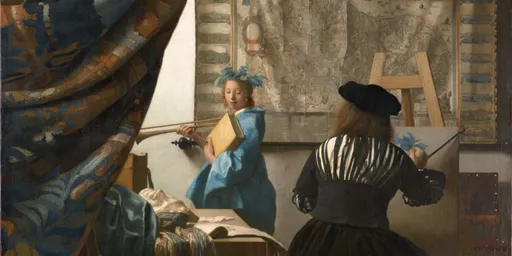
Connoisseurship (visual)
Stylistic consistency with known works
Subjective; open to conflicts of interest
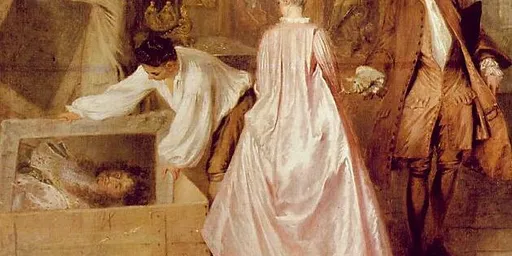
Provenance documentation
Chain of ownership; historical context
Documents can be fabricated
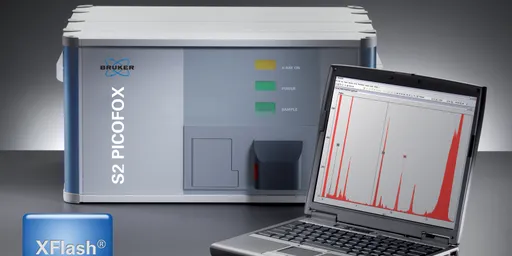
Pigment analysis (XRF, FTIR)
Material consistency with claimed period
Does not prove authorship
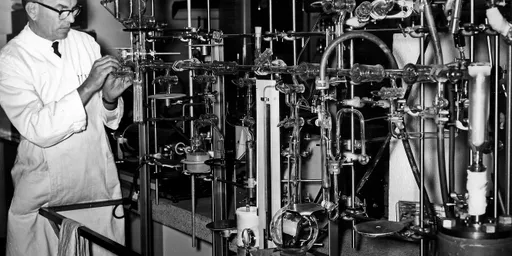
Carbon-14 (bomb-pulse)
Age of organic materials, high precision post-1950
Requires sampling; less useful for older works
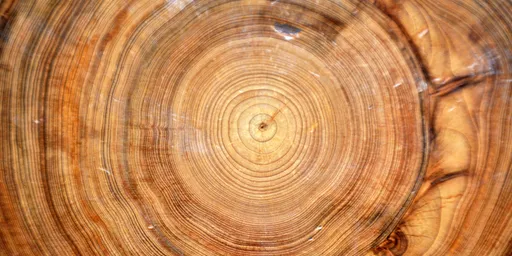
Dendrochronology
Date and origin of wooden panels
Panel paintings only
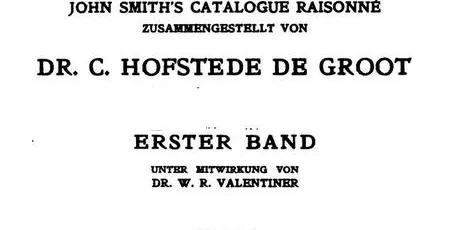
Catalogue raisonné
Scholarly consensus at publication
Not conclusive; committees can disband
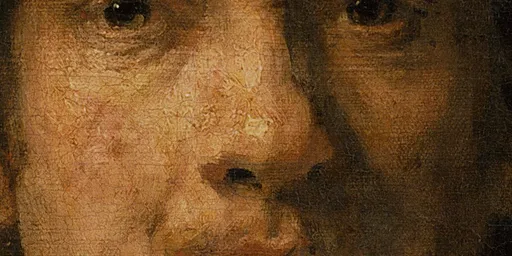
AI brushstroke analysis
Statistical match to artist's biometric patterns
No established legal standing yet
Blockchain / DNA tagging
Tamper-resistant record from registration
Cannot validate the initial claim
Frequently asked questions
Who can legally issue a certificate of authenticity? +
In most jurisdictions (including France and the United States), anyone can technically issue a COA. There is no licensed monopoly on the document. What matters legally is the issuer's stated authority, the specificity of the claims, and the resulting obligations. In France the Marcus Decree imposes mandatory statutory language on professional sellers. In New York, a written attribution by an art merchant constitutes an express warranty under NYACAL §13.01.
What is the difference between a COA and a provenance document? +
A COA primarily asserts authorship ("made by"). Provenance documents trace ownership over time. Both are complementary: provenance supports an authenticity claim, but neither alone guarantees the other. Ownership history can be fabricated, and authentic works may have no documented trail at all.
Does a COA increase the value of an artwork? +
Yes, meaningfully. The effect depends on the issuer's authority: a catalogue raisonné inclusion or artist's foundation certificate carries far more weight than a gallery self-certification. For works of modest value, a well-structured professional COA remains the most practical and commercially effective tool.
What happens if a COA turns out to be wrong? +
In France: criminal penalties under the Marcus Decree plus civil liability. In the UK: misrepresentation claims. Major auction houses limit liability via time-limited warranties (typically 5 years, forgery only). The issuer's wording is everything: explicit limitations in the certificate reduce exposure.
Is a digital certificate of authenticity valid? +
Yes. Format does not confer validity; issuer identity and contractual relationship do. Digital COAs with QR codes linking to a verified registry are increasingly standard and offer practical advantages: they are harder to physically separate from the work's record, can embed richer documentation, and can be verified instantly by any buyer.
What is the Marcus Decree? +
French Decree no. 81-255 (March 3, 1981). Obliges professional sellers to issue a document using specific statutory phrases: "work by" (full attribution), "attributed to" (probable), "school of" (follower or pupil), "in the manner of" (later pastiche). Using the wrong formula is a criminal contravention punishable by fines.
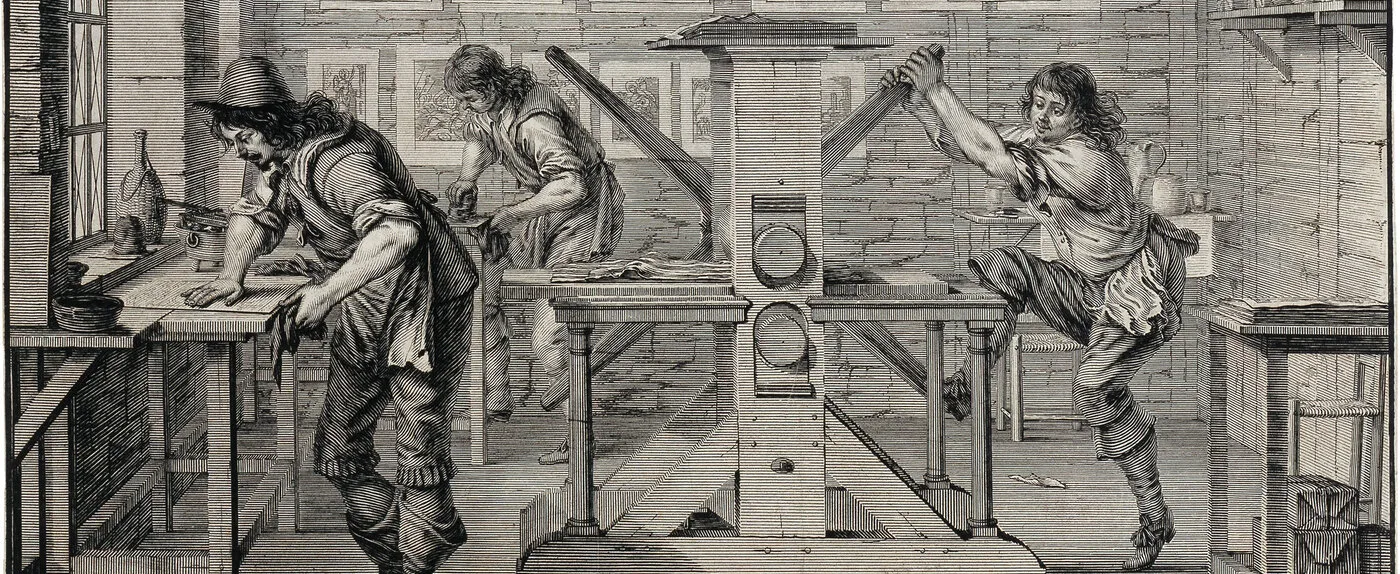
Photo: Abraham Bosse, L'imprimerie en taille-douce, 1642 — Wikimedia Commons, public domain.