The authentication board model and its structural flaw
In the twentieth century, the primary authentication mechanism for the work of major artists was the foundation or estate committee: a panel of scholars and market professionals, organized by or with the approval of the artist's foundation or estate, that evaluated submitted works and issued opinions that the major auction houses treated as conclusive for attribution purposes. At Christie's, Sotheby's, Phillips, and Bonhams, a work attributed to Warhol, Basquiat, or Haring without committee approval was effectively unsaleable at major auction in the relevant category.
The committees were created to solve a real problem: after an artist's death, the volume of attributed works typically exceeds documented production. Copies, student works, workshop products, and outright forgeries circulate alongside authentic pieces, and the estate or foundation has both a commercial interest and a reputational interest in establishing a reliable attribution standard. The committee model attempted to make this process institutional rather than individual, distributing the liability and credibility risk across a panel rather than concentrating it in a single expert.
The structural flaw was the conflict of interest built into every foundation-run committee. The foundation authenticating a work typically owned other works by the same artist — works whose value depended partly on the total accepted corpus size. A foundation that authenticated generously increased supply and potentially depressed prices of its own holdings; a foundation that authenticated conservatively defended prices but faced accusations of market manipulation. More critically, foundations that denied authentication could be sued for the loss of value their negative opinion imposed on the submitting owner — and this liability proved fatal.
The Warhol Authentication Board: 1995–2011
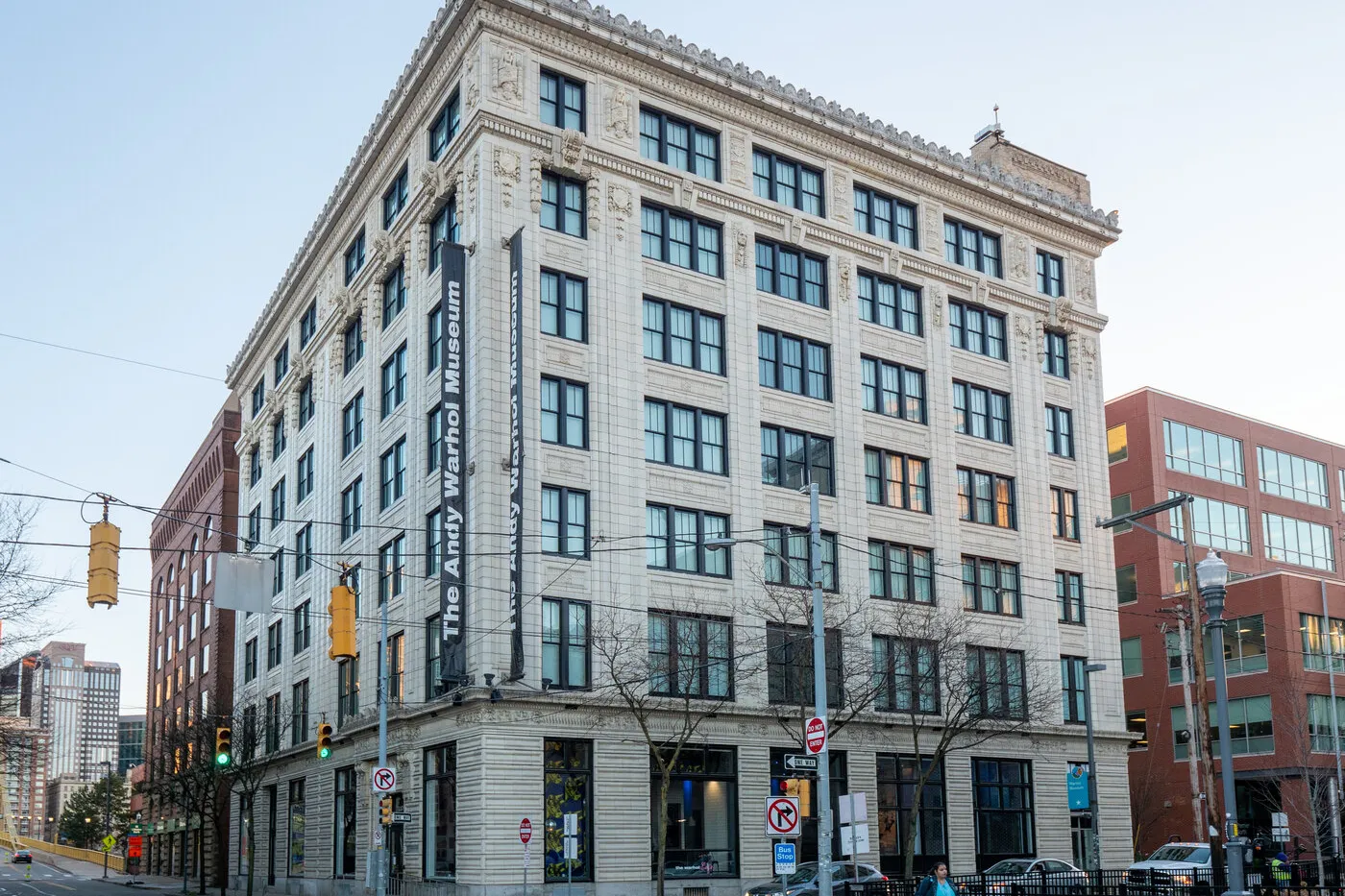
The Andy Warhol Authentication Board was established in 1995 by the Andy Warhol Foundation for the Visual Arts. It operated as a five-person panel that reviewed works submitted for authentication opinions, issuing 'authenticated' or 'denied' stamps. Over its sixteen-year operation, the board reviewed approximately 4,000 works.
The litigation began in earnest after 2007. Joe Simon-Whelan, a British collector, had a 1965 Warhol silkscreen titled Attempted Suicide twice rejected by the board, in 2001 and 2003. In 2007, he filed a federal antitrust lawsuit claiming that the board operated as an illegal monopoly by artificially restricting the supply of authenticated Warhols to benefit the Foundation's own holdings. The case raised a question that courts had never previously been required to answer: whether an authentication body could be liable for its opinions under antitrust law.
The Simon-Whelan case was eventually dismissed in 2010 on procedural grounds, but not before it had cost the Foundation over $7 million in legal defense fees. The board had already been reviewing fewer works in its final years; the litigation burden made continued operation commercially untenable. On October 21, 2011, the Andy Warhol Foundation announced that the Authentication Board was permanently dissolved. It cited the 'substantial time and expense associated with litigation' as the primary reason.
The Andy Warhol Foundation spent over $7 million defending authentication decisions before dissolving the board. The authenticity of individual works was never the issue — the liability of institutional opinion was.
The Basquiat and Haring committees: 2012
The Jean-Michel Basquiat Authentication Committee had operated since 1993, managed by the Estate of Jean-Michel Basquiat. Like the Warhol board, it served as the market gateway for major auction sales. In 2012, following the Warhol dissolution and facing similar litigation pressure, the Basquiat estate dissolved its authentication committee without public announcement.
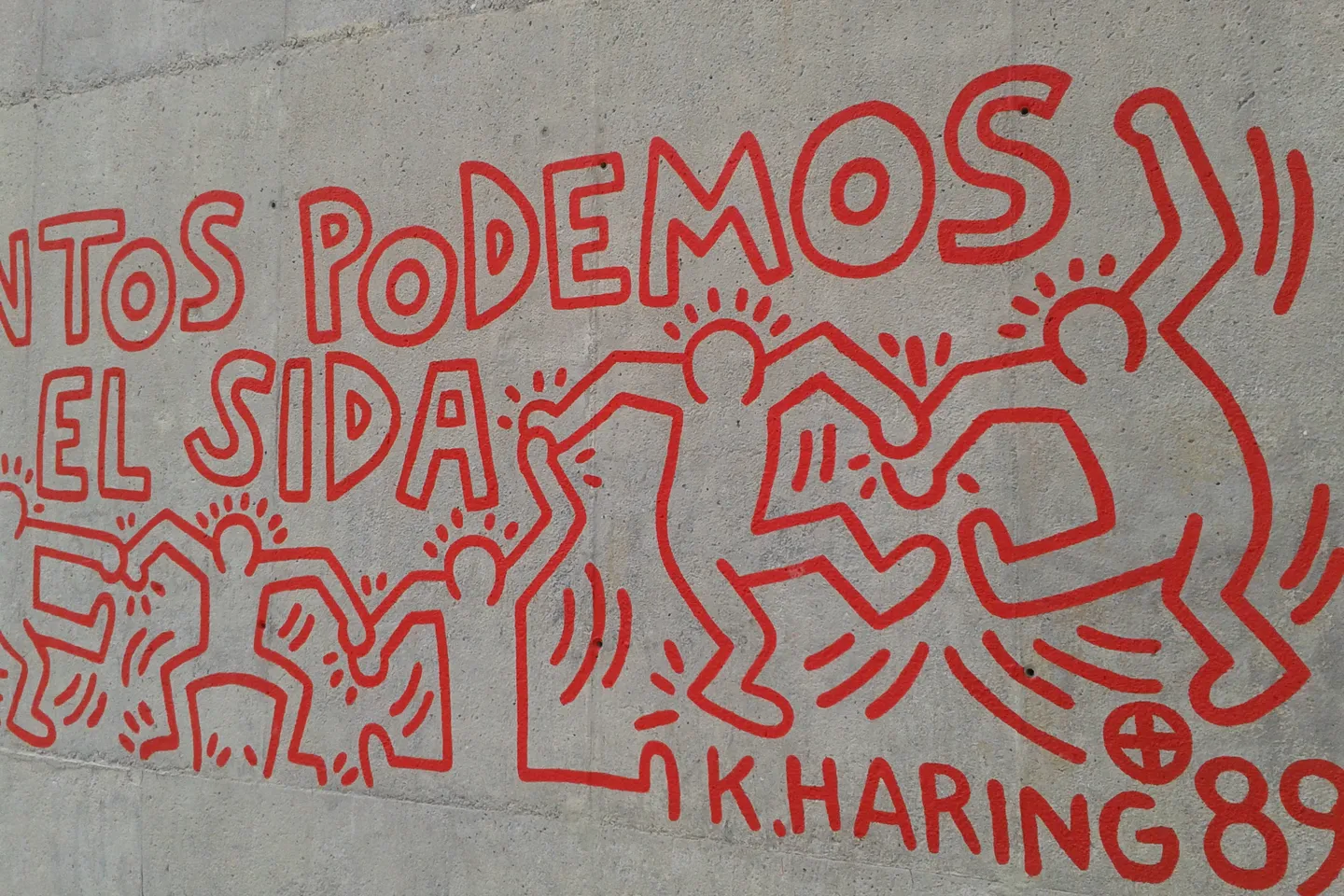
The Keith Haring Foundation had operated an authentication process for works by Haring (1958–1990) since shortly after the artist's death. The Foundation announced in September 2012 that it would no longer offer authentication opinions to third parties, effective immediately. The official statement cited the burden of litigation and the impossibility of authenticating works that Haring himself had not documented as authentic.
The three closures in fourteen months — Warhol in October 2011, Haring and Basquiat in 2012 — were not coincidental. The art market legal community had identified authentication committee opinions as actionable, and the foundations operating them faced an impossible choice: continue authenticating and accept unlimited litigation exposure, or dissolve and abandon the market function they had been created to perform. The structural conflict between their certification role and their ownership stake made neither choice sustainable.
The legal mechanics of authentication liability
The legal vulnerability of authentication committees stemmed from two distinct theories that plaintiffs could pursue simultaneously. The first was tortious interference: if a negative authentication opinion caused the loss of a sale, the committee could be sued for the commercial damage. Courts in the United States and United Kingdom had by the 2000s established that expert opinion, even if offered in good faith, could give rise to liability if it was given with conscious disregard for the owner's interests or as part of an anti-competitive scheme.
The second theory was the antitrust claim pioneered in Simon-Whelan: that a committee controlled by a foundation with market interests in the same artist's work constituted a monopoly on authentication that violated competition law. This theory proved harder to establish on the facts — courts were reluctant to treat scholarly opinion as market conduct — but the cost of defending it was itself sufficient to deter continued operation.
The practical consequence was that by 2013, no authentication committee existed for the three most commercially active American artists of the late twentieth century. Auction houses developed workaround procedures: cataloguing works as 'attributed to' rather than 'by,' citing provenance in lieu of committee opinion, and accepting scientific analysis reports in substitution for institutional certification. These procedures are inherently less authoritative than committee opinion — and considerably less reliable — but they are the only mechanisms available in the absence of the institutional structures that litigation destroyed.
The market vacuum and its partial solutions
The dissolution of the major committees created a market vacuum that private certification firms, scientific laboratories, and digital registry services have been attempting to fill. Art Authentication Ltd, the Sotheby's Institute, and various independent scholars now offer opinion letters that the market treats as partial substitutes for committee stamps — but with significant legal qualifications that reduce their commercial utility for major transactions.
For Warhol specifically, the absence of an authoritative body has created a two-tier market: works with committee stamps issued before 2011 command a premium over works that were never submitted or were denied. The committee stamps from a dissolved body have become more valuable, not less, because they represent a certification standard that can no longer be obtained. This perverse dynamic illustrates the irreplaceability of institutional authority once established: informal expert opinion cannot substitute for the market's need for a single authoritative standard.
The blockchain, DNA tagging, and AI analysis tools that have emerged since 2012 are responses to this vacuum. They offer technical mechanisms for creating authentication records that are harder to contest legally — because they do not depend on the opinion of a human expert who can be sued — but they face the same fundamental limitation: they can certify that a record exists from a given point in time, but they cannot validate the claim that was entered at registration. A fake Warhol registered on a blockchain with a DNA tag is still a fake Warhol.