
Art Nouveau
3 articles
Emerging between approximately 1890 and 1910, Art Nouveau presented a revolutionary rupture with the prevailing historicism of the 19th century, advocating for a “new art” suited to the modern age. This international movement, influenced by the British Arts and Crafts and Aesthetic movements and Japanese prints, sought to unify all art forms into a harmonious <i>Gesamtkunstwerk</i>. Defined by its distinctive undulating, asymmetrical lines, often termed the “whiplash curve,” Art Nouveau drew profound inspiration from organic forms—botanical elements, insects, and idealized female figures—transforming both decorative and fine arts. Pioneering figures such as Victor Horta in architecture, Louis Comfort Tiffany in decorative arts, and Alphonse Mucha in graphic design, along with the Vienna Secessionists like Gustav Klimt, propelled this style across Europe and the United States. Its brief but incandescent period laid critical groundwork for subsequent modernist movements, challenging traditional hierarchies between the so-called “high” and “low” arts.
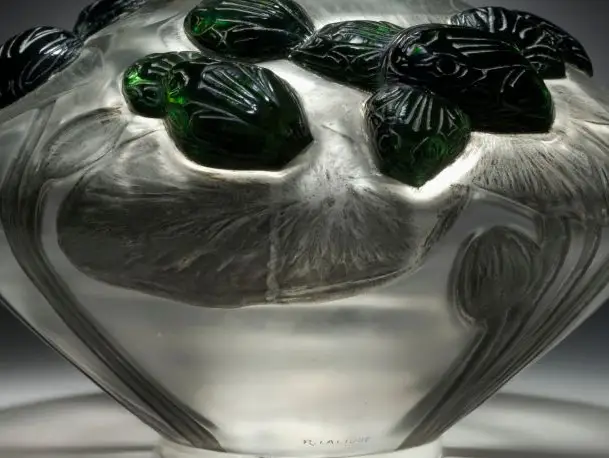
René Lalique: The Glorious Inventor of Modern Jewelry
This article explores the rise of René Lalique, a master who revolutionized French jewelry at the turn of the century. B…
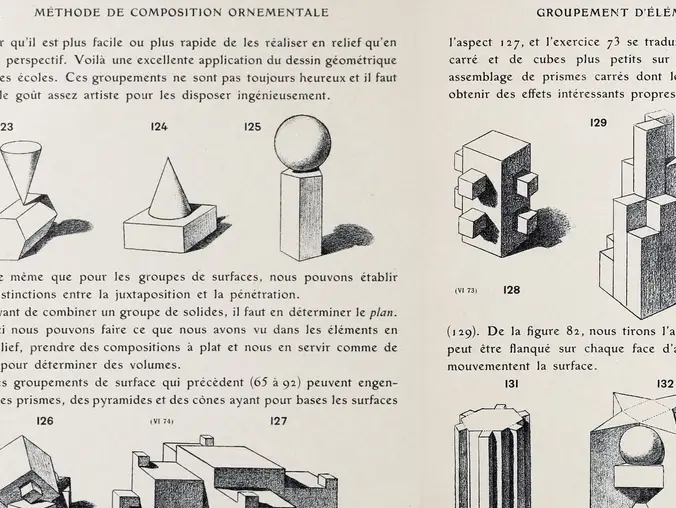
A Review of Eugène Grasset's "Méthode de Composition Ornementale"
Eugène Grasset's book, "Méthode de Composition Ornementale," is presented as a crucial milestone in the revival of decor…
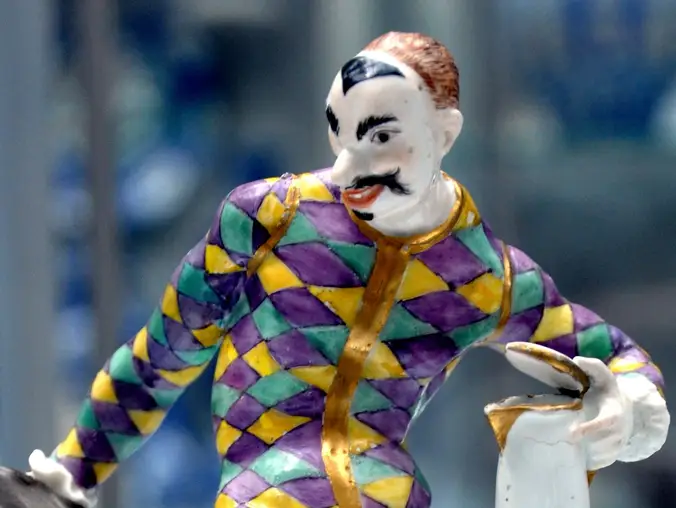
The Modern Ceramics of Meissen: An Artistic Renaissance
For two centuries, the Meissen manufactory was synonymous with the Rococo and Baroque styles that adorned the courts of …