Home/Topics/Ex Libris

Ex Libris

2 articles
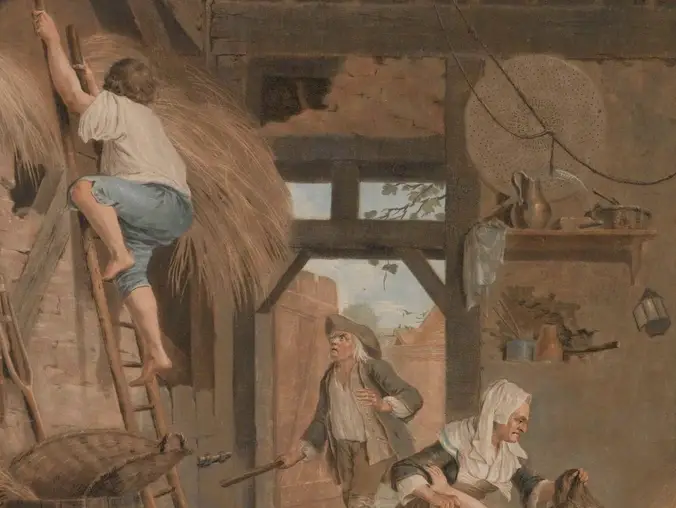
Emerging in 15th-century Germany with the advent of the printing press, the Ex Libris, or bookplate, served as a distinguished mark of book ownership, often preventing theft and asserting intellectual claim. These intricate labels are miniature works of art, characterized by an owner’s name—typically preceded by the Latin phrase “from the library of”—and frequently adorned with heraldic symbols, allegorical motifs, or designs reflecting personal interests. Renowned artists such as Albrecht Dürer, William Hogarth, and Aubrey Beardsley contributed to their design, shaping diverse styles from Baroque to Art Deco. For collectors, Ex Libris pieces are prized not only for their aesthetic merit but also for providing invaluable provenance, with rare examples by celebrated artists or from notable individuals commanding significant attention in the auction market. Current collecting trends lean towards acquiring these as individual art prints, exchanged among enthusiasts, or valued for their historical significance, artistic quality, and unique origins.