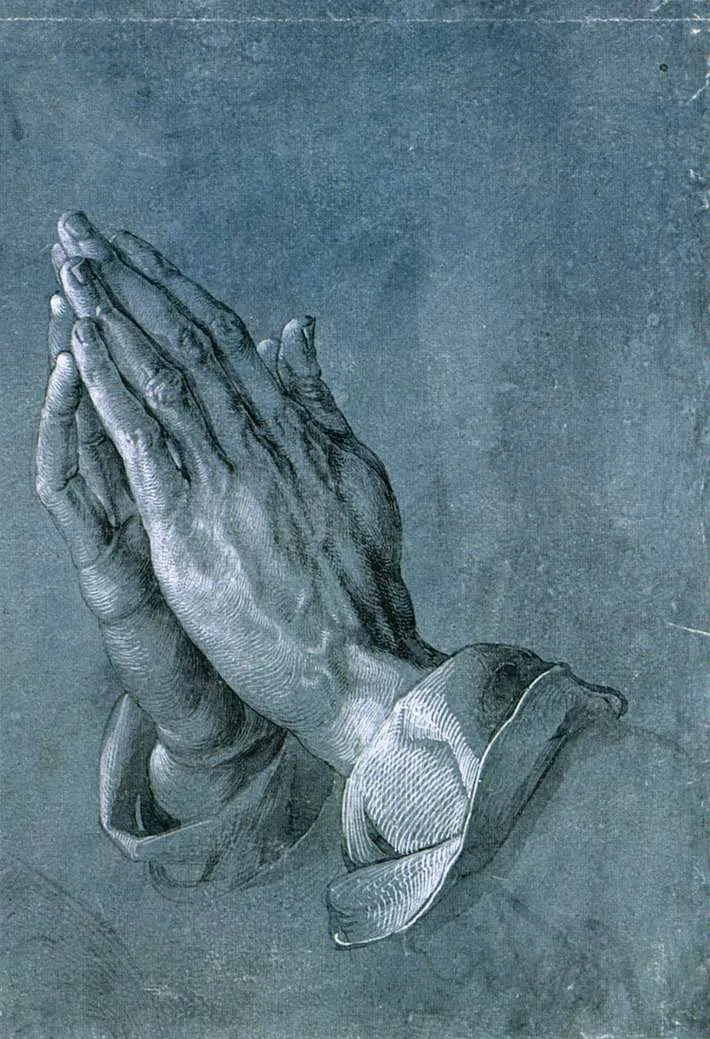
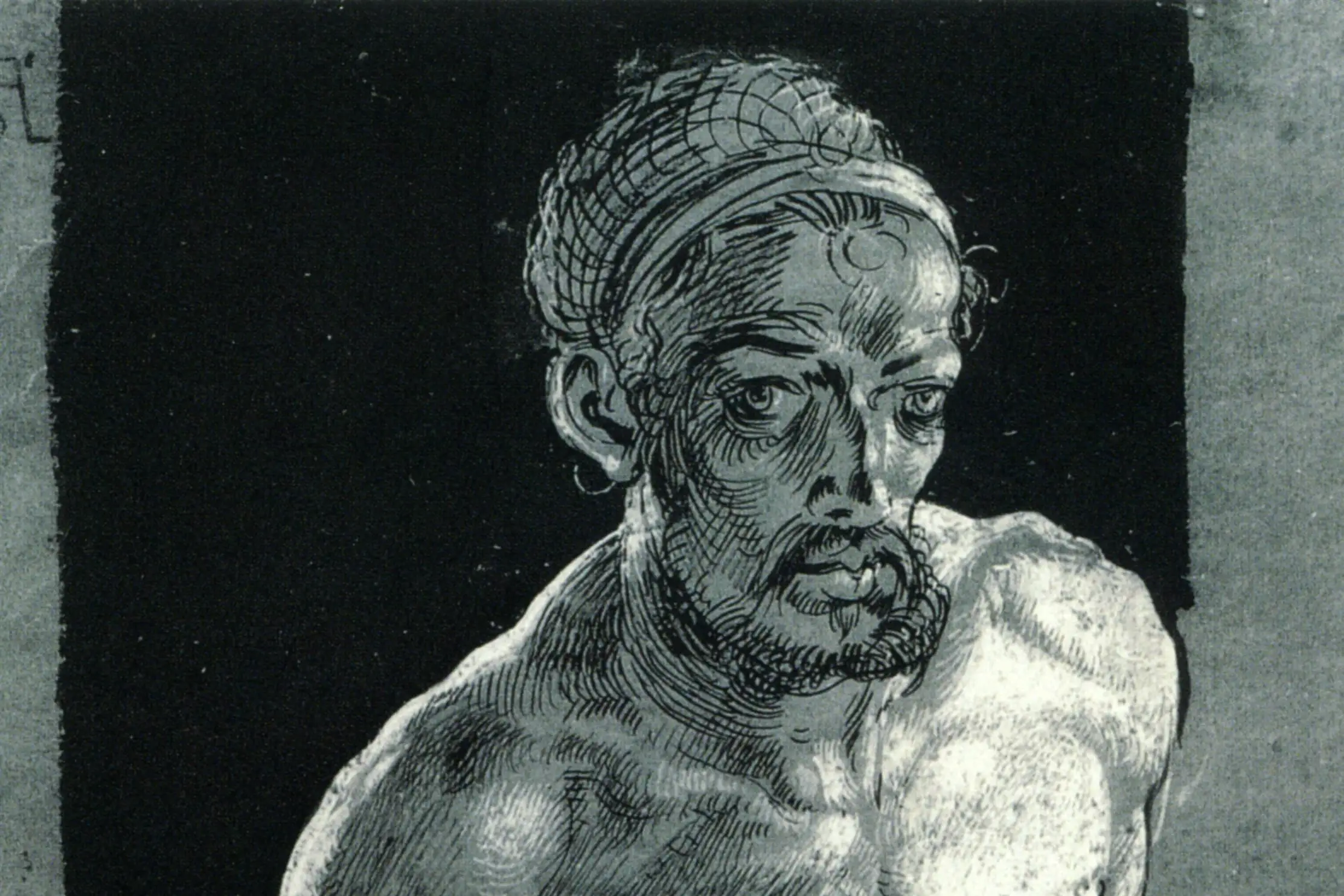
During the prolific period from 1510 to 1520, Albrecht Dürer directed his primary efforts toward the more lucrative art of engraving, while also undertaking extensive commissions for Emperor Maximilian. In the intervals between these major projects, he produced an immense and diverse body of drawings, capturing everything from landscapes and portraits to religious subjects and designs for craftsmen, offering an unparalleled view into the master's versatile talent.
The Imperial Commissions and Early Portraits
It must be noted that during this era, from 1510 to 1520, the paintings executed by Dürer are relatively few in number or, at the very least, of lesser importance. Throughout this period, one can scarcely identify any major works besides the Adoration of the Trinity, which we have already discussed, and a few portraits, among which those of Charlemagne and Sigismund hold the foremost rank. Dürer focused his principal efforts on engraving, which was more profitable, as he so often repeated in his letters. It was also at this time that he undertook a whole series of long-term works for Emperor Maximilian: the Triumphal Arch, the Triumphal Chariot, the Book of Hours, and others, which we will discuss in a future article.
In the time left to him by his engravings and imperial commissions, he applied himself to drawings of every kind: landscapes, portraits, religious subjects, and designs for goldsmiths, founders, printers, and others. The very diversity of these incessant productions allows us, better than at any other time, to consider Dürer's supple talent in its numerous aspects. For us, who are specially concerned with the master's drawings, this phase of his career is the most fertile and the most varied.
The portraits of Charlemagne and Sigismund, which can be seen today in a unfortunately very damaged state at the Nuremberg town hall, must have been commissioned from Dürer by the city's municipality in 1510, the date of the first studies for these works. The inscriptions on the frames of the two paintings indicate the very purpose of the commission. Nuremberg wished to offer a tribute of gratitude to the founder of the Western Empire and to the one of his successors who had shown the city the most precious marks of his benevolence.
Pious relics of the two emperors were preserved in the Rathaus, among which were the crown, the scepter, the gloves, the ceremonial robe, and more. Dürer's two portraits were intended to be added to these mementos, showing the sovereigns attired in all their imperial pomp. It was with this idea in mind that Dürer conceived and executed the portraits in question.
Studies for the Imperial Portraits