
Color Theory
2 articles
Color theory, a foundational pillar of artistic practice, has traversed a compelling intellectual and cultural journey from antiquity to the modern era. Rooted in the ancient world’s symbolic associations of color and Aristotle’s elemental classifications, its scientific understanding blossomed with Sir Isaac Newton’s groundbreaking investigations into light and the spectrum in the late 17th century. A century later, Johann Wolfgang von Goethe offered a more experiential and psychological counterpoint in his Theory of Colours, profoundly influencing artists’ emotive use of chromatic relationships. This evolving theoretical framework, further refined by figures like Michel Eugène Chevreul on simultaneous contrast and later systematized by Bauhaus masters Johannes Itten and Josef Albers, has consistently redefined how artists manipulate hue, saturation, and value to shape perception, evoke emotion, and construct visual narratives across diverse periods and movements. It stands as an enduring testament to humanity’s quest to comprehend and harness the intrinsic power of color in art history.
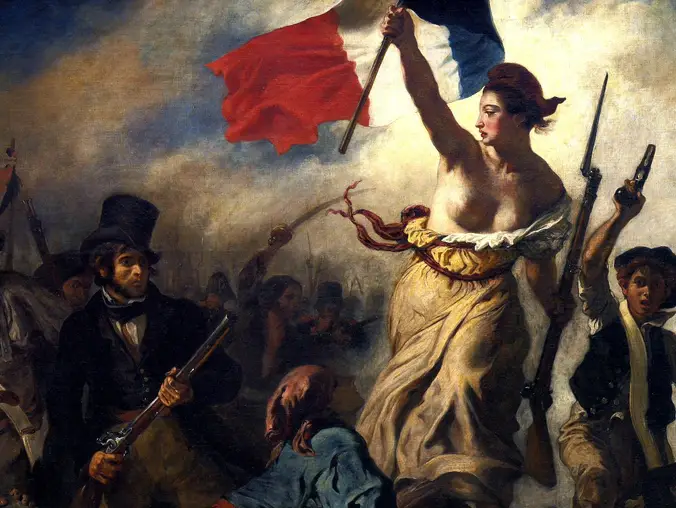
Eugène Delacroix: An Analysis of the Romantic Master
Eugène Delacroix, the acclaimed leader of the Romantic movement, was a painter whose work expressed the profound passion…
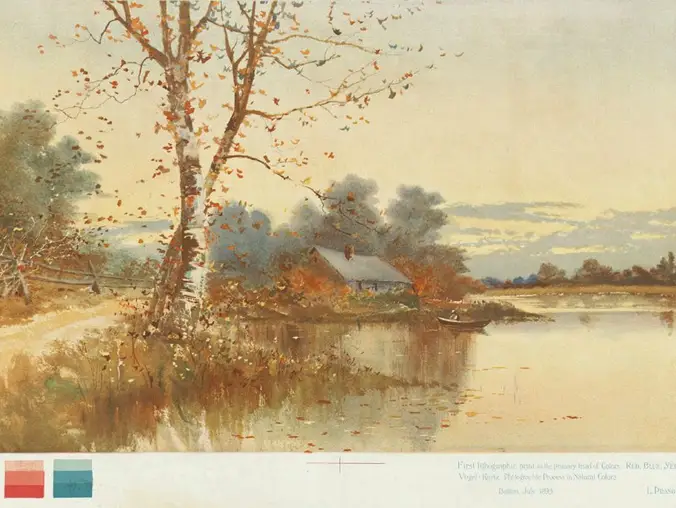
The Three-Color Engraving Process (Trichromy)
The art of color illustration, which developed considerably in the late 19th century, was revolutionized by a scientific…