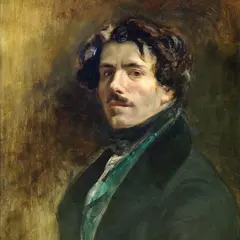
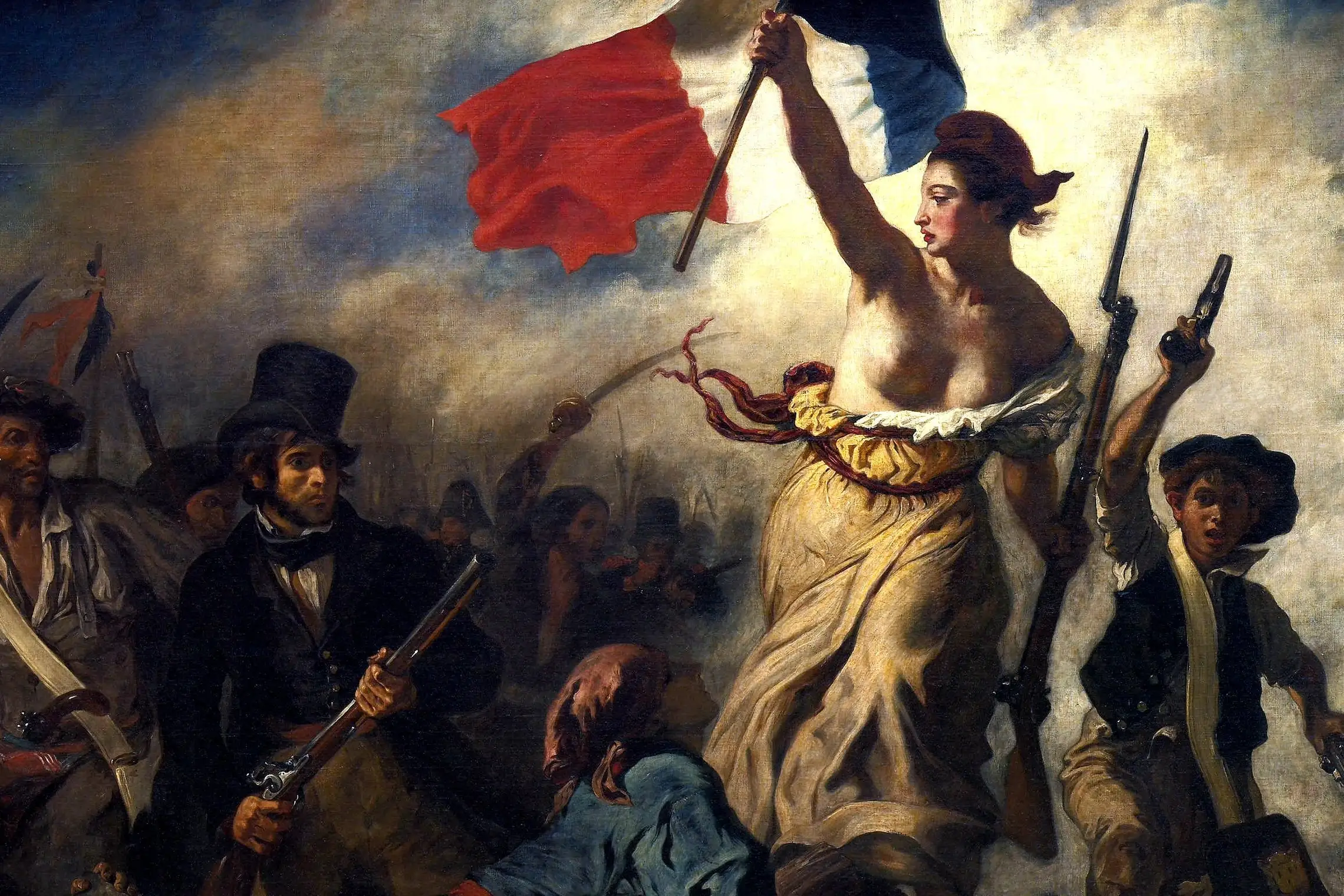
"Poussin waited two hundred and fifty years for that famous subscription for his statue, which, I believe, still does not exist due to insufficient funds. Had he burned just two villages, he would not have waited so long," wrote Delacroix a few years before his death on December 31, 1858. The equitable future, which, without rushing, always ends up paying its debts, will have been less tardy, on the whole, in settling its account with the painter of the Crusaders. But in this case, it had more cruel injustices to erase and owed the great, misunderstood artist a brilliant reparation. If it is true that the iniquities of the fathers weigh upon the children "unto the third and fourth generation," we must not only pay homage to the most glorious Master of the French School; we must also, on behalf of our predecessors, humbly make amends and definitively "retract" all their foolishness and all their insults.
The epithets "madman," "tattooed savage," "maker of botched jobs," and a hallucinator who paints "with a drunken broom" are, among a hundred others, some of the labels that—without wishing to erase them from history!—we have a duty to retract today. The more polite critics, like Delescluze, condemned the heretical innovator's works for "scenes without clarity, where the imitation of the natural constantly excludes the conventions of taste." "For thirty years I have been thrown to the beasts," he said sadly to Théophile Sylvestre one day when, having entered the auction house on the Rue des Jeûneurs incognito, he overheard the public's comments on his Hamlet.
A Monument of Reparation
Let us, therefore, raise an expiatory monument to him,¹ but above all, let us prove through our intelligent respect for his work that our homage is not an empty ceremony. Instead of relegating him to the storerooms of the Musée de Marine—unhealthy sweatboxes barely fit to house the worst Bolognese painters—let us reserve a place of honor for him. Let us protect his paintings from the risk of destruction; let us exhibit them in good light and in the same room. High up on the walls, let us align the grand machines of David's students, so that with a single glance, the visitor can measure the greatness of the man and the depth of the rut from which he pulled French art.
For those who could only see from their nurse's arms the memorable exhibition of 1855, which was Delacroix's first vindication, the body of work now assembled at the École des Beaux-Arts is rich with surprises and lessons. As soon as we cross the threshold, we quickly sense that we are entering a world very different from the one in which the art of today has accustomed us to live. Yet, we need no special erudition to find our bearings. A fever of admiration slowly takes hold of us; from each of these frames emanates some unknown magnetic effluence, some passionately persuasive accent. Despite differences in fashion and a few dated turns of phrase, the eternal and poignant eloquence that fills them still makes our hearts tremble.
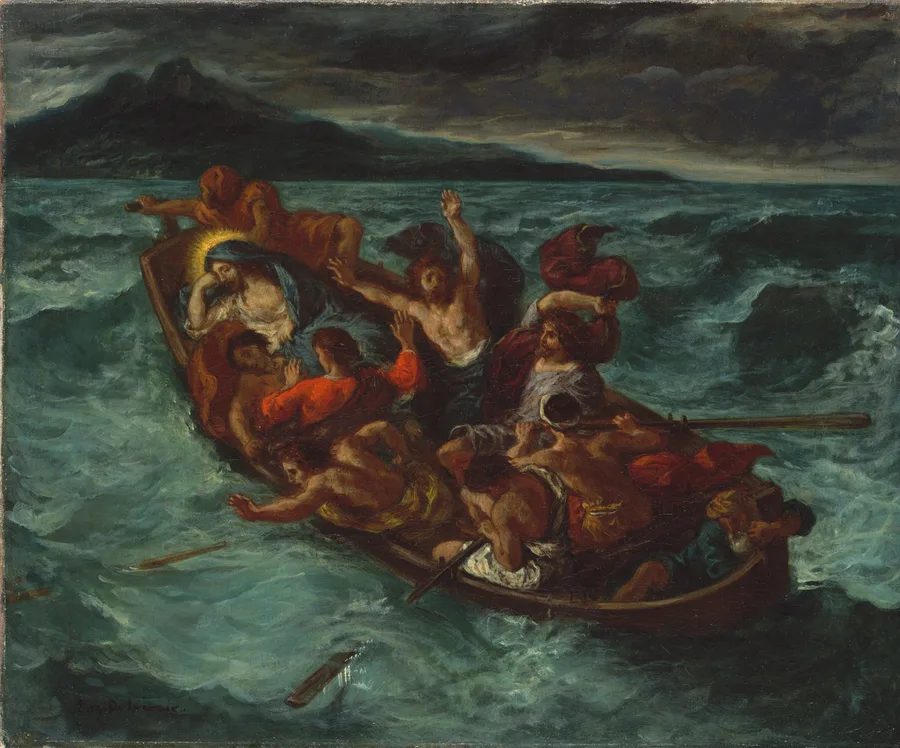
So, when Paul Mantz, the master most worthy of writing this chapter of a glorious history, wishes for us to find in the art of tomorrow "joys and emotions similar to those that intoxicated the witnesses of those great days in their distant youth,"² we feel an unacknowledged melancholy wash over us. We believe we detect an ironic sympathy in these charitable wishes. Without wanting to despair of our own time, which also has something to say and will surely find its spokesperson, we turn back with envious eyes toward that heroic past, buzzing with the clamor of battle and songs of triumph. Those who saw that dawn carry on their brow and in their soul a ray of light that we do not possess.
Théophile Gautier sighed in his Château du Souvenir (Castle of Memory):