Among the various techniques of enamel, three have already been briefly examined: champlevé (where enamel is placed in troughs carved from the metal), cloisonné (where enamel is held in cells formed by metal wires), and plique-à-jour (émaux à jour, a similar technique creating a stained-glass effect). Two remain: basse-taille and painted enamels, which allow the artist to draw the maximum desired effects from the beautiful material that is enamel. It is these two techniques that we will study today.
Certainly, the results achieved with cloisonné and champlevé are surprisingly rich, and the decorator can make the most of them. But the craft inevitably forbids modeling, leaving only flat areas of color detailed by metal partitions to translate the artist's thought. We must acknowledge, moreover, that these processes are both primarily ornamental.
However, it may not be entirely accurate to say that modeling is completely forbidden. Using vitrifiable colors, the artist can paint details and model forms on the surface of the enamel itself. Let us state at once that such a process seems unworthy of this fine material, giving it the appearance of painted porcelain, a style that has since fallen out of fashion. We should know how to extract the maximum effect that the chosen process allows, and not seek to create the illusion of a painted enamel by touching up a champlevé piece. The appeal is different in each case; and if champlevé details forms less, we must compensate for this insufficiency with the beauty of the coloring and the style of the composition. Knowing how to make a process yield all it is capable of yielding is a laudable task. To seek to exceed these limits is imprudent, especially when resorting to a kind of trickery intended mainly to conceal the artist's inadequacy. If cloisonné did not give him everything he dreamed of, why did he not turn to basse-taille or painted enamels?
The Techniques of Basse-Taille and Painted Enamel
The enamels of basse-taille (low-cut) are, in fact, more directly related to the techniques we already know than are painted enamels proper. The desire to obtain a more complete effect in their figures or ornamentations pushed artists to seek the means to do so. They found it by modeling the metal and then covering it with transparent enamel. The details and shadows, seen through the enamel, thus produce a sumptuous and profound effect that no other process could achieve. It is, strictly speaking, an enameled bas-relief.
Basse-Taille: Enameled Bas-Relief
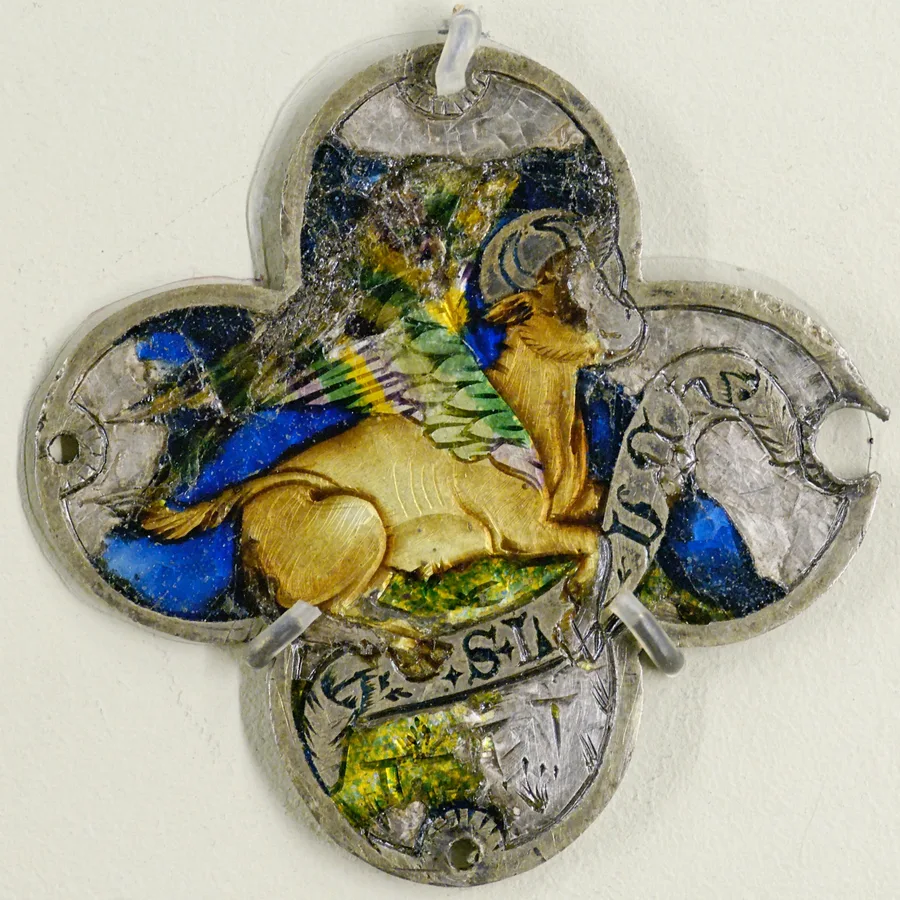
The artist, an experienced chaser, engraves and chisels their work into a metal plate. This is how the engraving of the reclining woman, which adorns Grandhomme's box reproduced in color in this issue, was created before enameling. The subject is engraved like a medallion, with very gentle and low reliefs.