
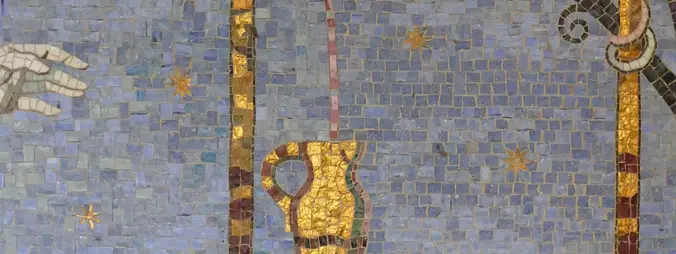
Art Nouveau
Emerging in the late 19th century and flourishing during the Belle Époque, Art Nouveau presented a radical aesthetic departure, rejecting the rigid historicism and academic strictures prevalent in nineteenth-century art and design. This international movement, often described as a ‘total art’ (Gesamtkunstwerk), sought to integrate fine and applied arts, from architecture to jewelry, with a profound emphasis on natural forms. Characterized by its distinctive undulating, asymmetrical ‘whiplash’ lines and organic motifs drawn from flora and fauna, Art Nouveau infused dynamism and elegance into everyday objects and monumental structures alike. Key practitioners such as Victor Horta, Hector Guimard, Gustav Klimt, and Alphonse Mucha spearheaded this stylistic revolution, establishing a legacy that irrevocably altered the trajectory of modern art and design, bridging the gap between historical eclecticism and twentieth-century modernism.