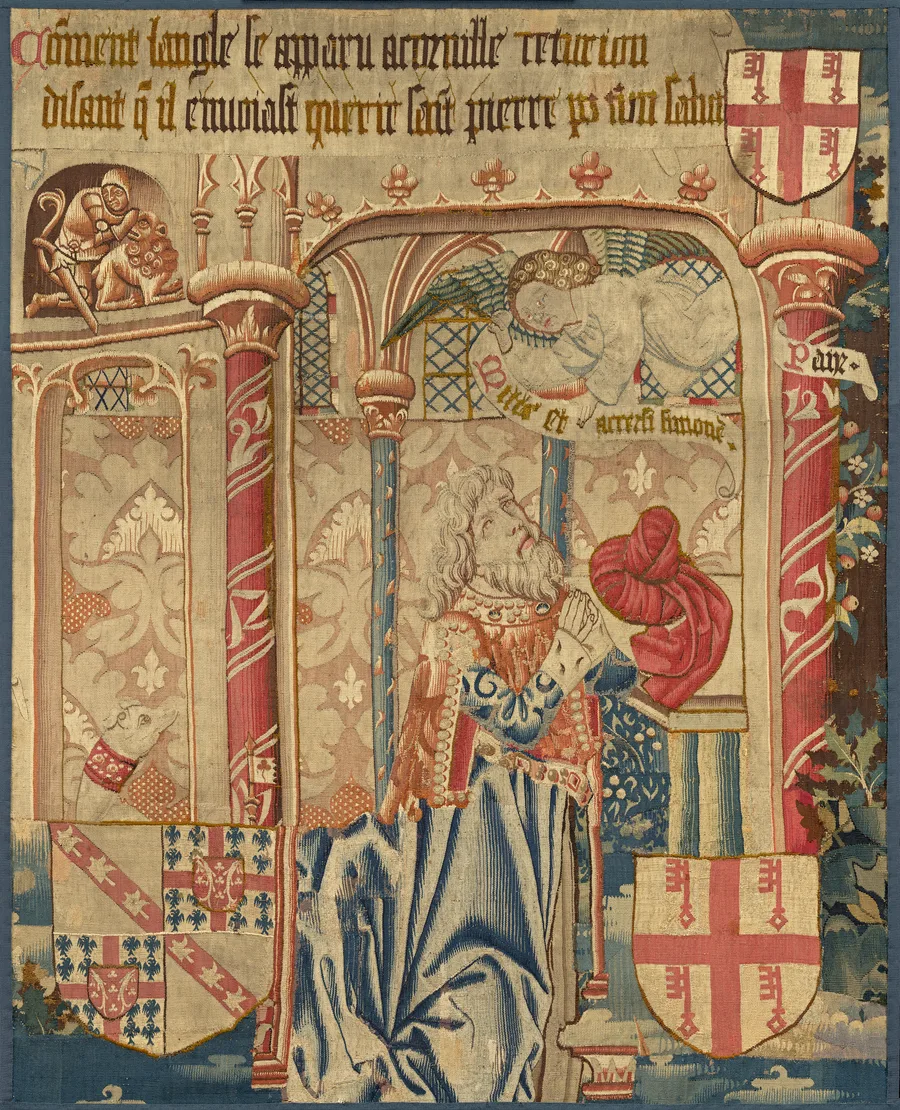
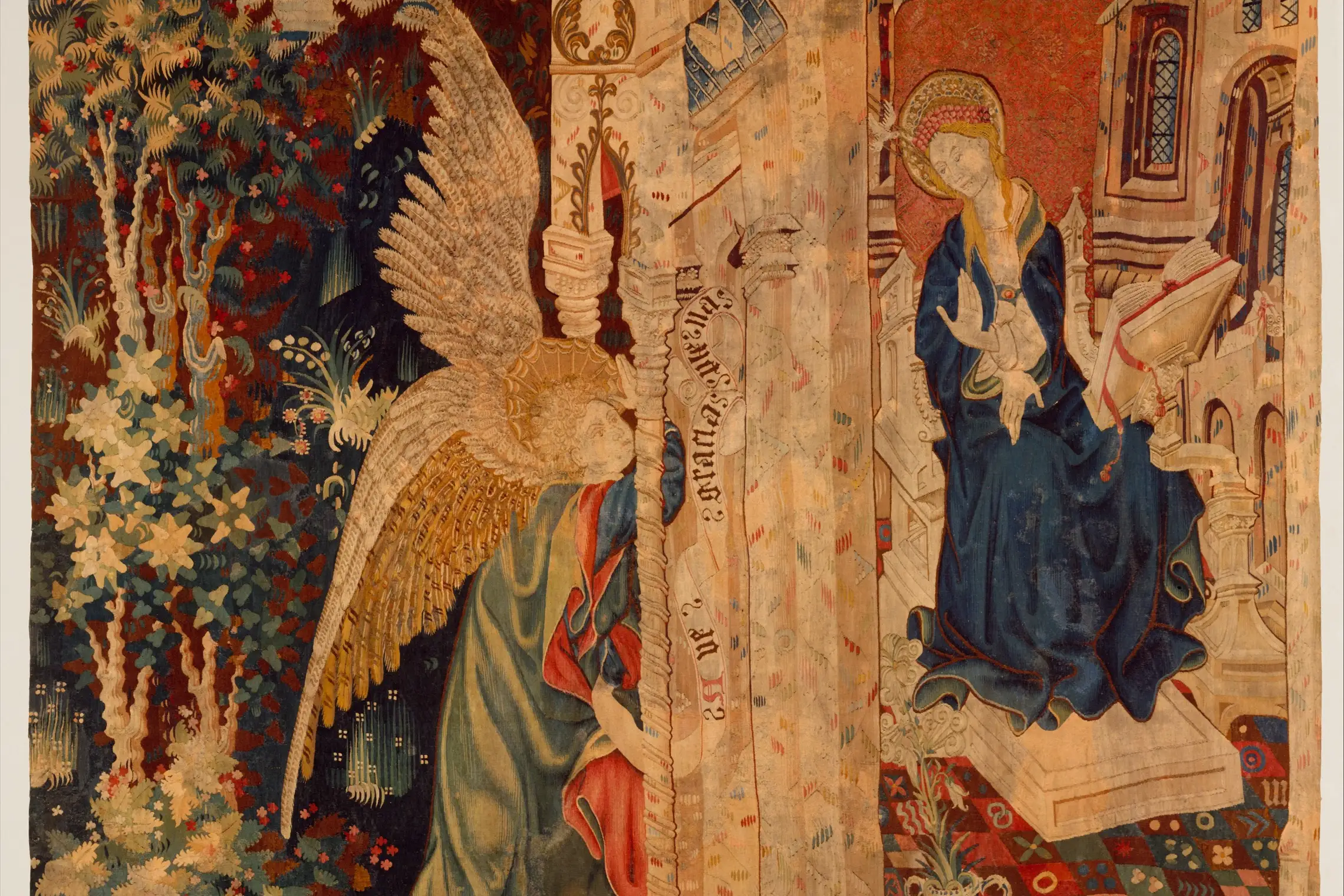

It is scarcely known, save for the accounts of a few chroniclers from the 15th or 16th century, that the Romans of the Renaissance admired and sought out the brilliant products of Flanders known as arazzi. They seem to have taken particular pleasure in adorning the facades of their houses with them on solemn occasions, such as the coronation of a pope or an emperor. The extent of the collections they amassed and the trade they conducted in these tapestries, however, remain problems for which solutions have not yet been attempted.
The Overlooked History of Roman Tapestry
We know very little about the Renaissance Romans' admiration for the brilliant Flemish tapestries known as arazzi, except through the accounts of a few chroniclers from the 15th and 16th centuries. It appears they especially enjoyed using them to decorate the facades of their homes on solemn occasions, such as the coronation of a pope or an emperor. As for the size of the collections they gathered or the commerce they engaged in, these are questions that have yet to be explored.
Still less do we have details about any efforts made in the Eternal City to attract colonies of Flemish weavers, as had been done in Perugia, Siena, Florence, and Ferrara. Indeed, it has never even been suspected that high-warp tapestry workshops operated on the banks of the Tiber during the Renaissance. According to the author of the recent work Sulla manifattura degli arazzi (Rome, 1874), the introduction of this art to Rome dates merely from the reign of Clement XI (1702).
The consolidation of a long series of documents related to the expenditures of the pontifical court during the 15th and 16th centuries, now housed in the State Archives at the convent of Campo Marzio, has allowed me to gather a certain number of new facts on this subject. I am pleased to offer this first look to the readers of the Gazette, which will help to clarify one of the most obscure chapters in the history of the arts in Italy.
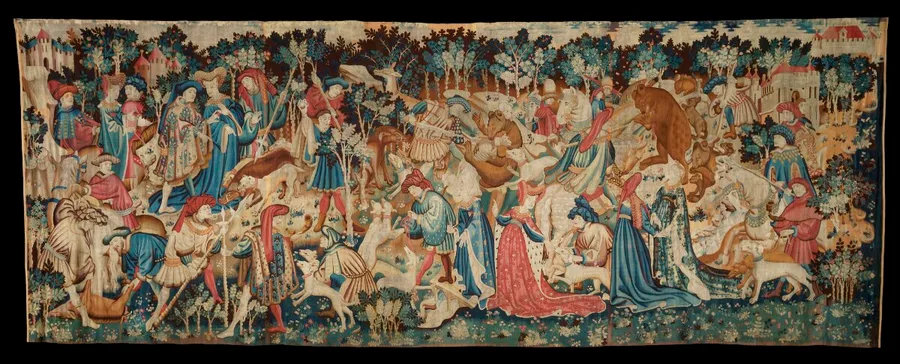
The Pioneering Patronage of Pope Nicholas V