
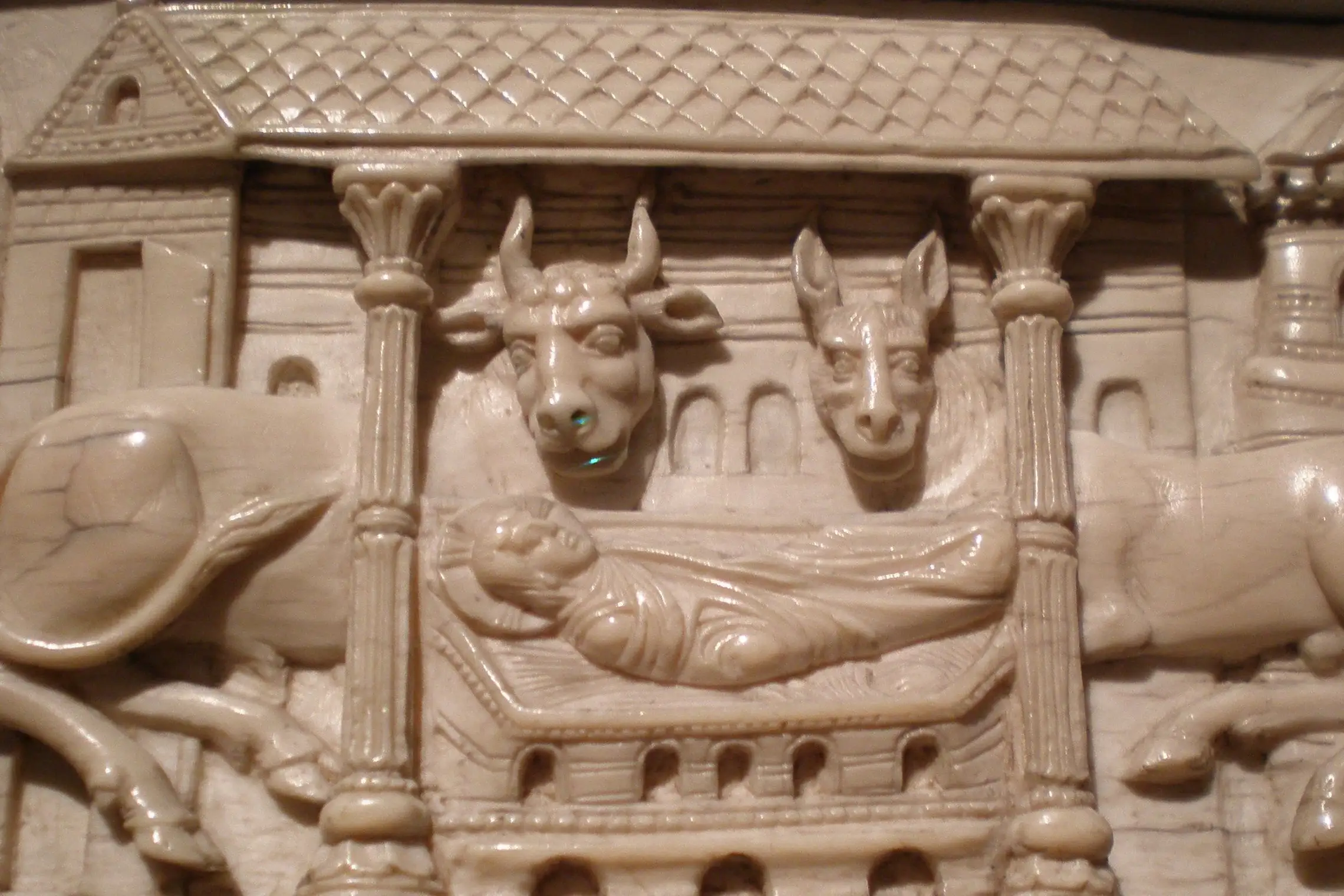
The Roman art contingent at the Trocadéro, though perhaps not as exceptionally valuable as the Greek collection, is nonetheless varied and makes a suitable showing. It provides ample material for observation by professional scholars and discerning amateurs alike, who seek more than the satisfaction of a passing whim from ancient terracottas, marbles, and bronzes. Before reviewing the exhibited objects, however, it is opportune to outline the distinctive characteristics of Roman art, establish its origins, specify the period of its flourishing, and enumerate its principal degenerations.
The Character and Trajectory of Roman Art
Although Roman art is not represented at the Trocadéro by monuments of the same exceptional value and exquisite selection as its elder, Greek art—which Mr. O. Rayet has just rapidly described for us with such delicate and sure taste—it nonetheless makes a respectable appearance. Its varied contingent provides ample material for the observations of professional scholars and even for those of genuine amateurs, who seek in ancient terracottas, marbles, bronzes, cameos, medals, or jewelry something more than the satisfaction of a fleeting fancy or a banal curiosity.
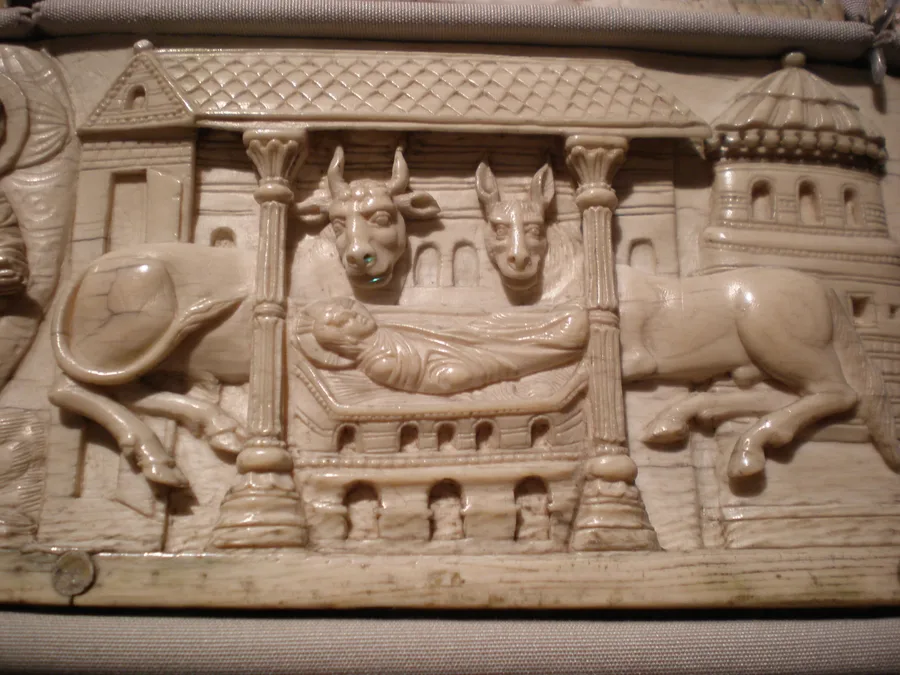
The Spirit and Decline of an Imperial Art
Virgil aptly characterized the social role of the Latin genius in the world—by its nature more inclined to practical realities than to higher aspirations—in a single stroke:
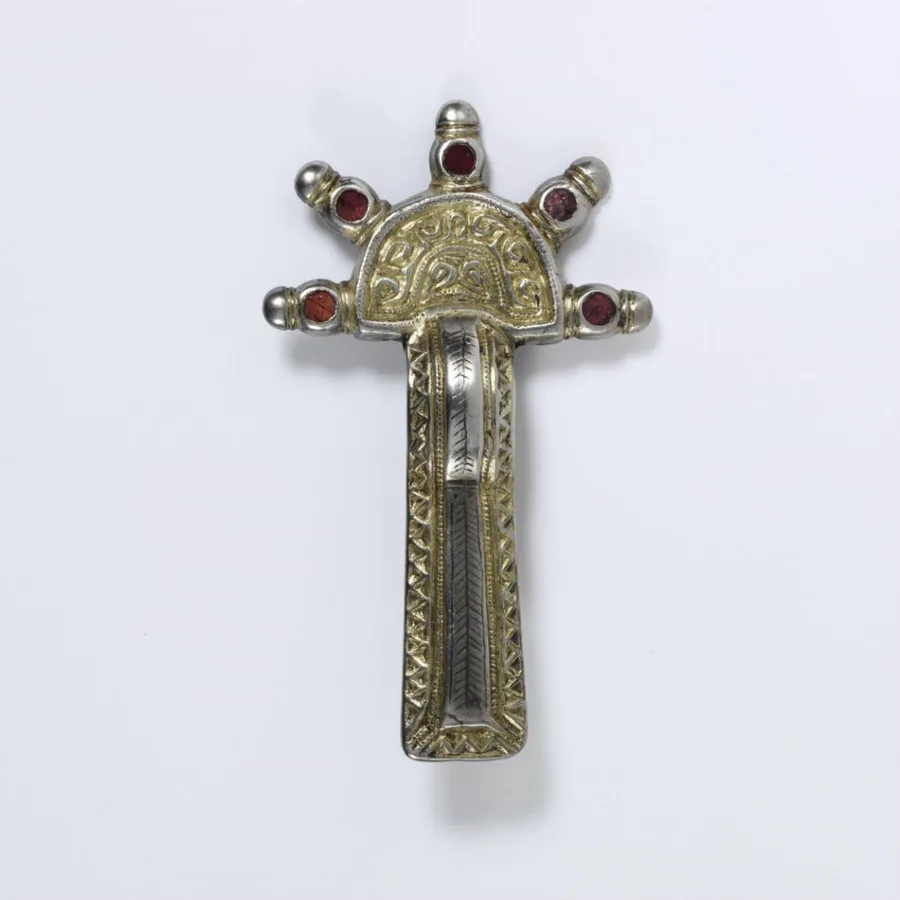
Let others, I believe, hammer out breathing bronzes more softly, and draw living faces from marble... You, Roman, remember to rule the peoples with your empire; these will be your arts: to impose the custom of peace, to spare the conquered, and to crush the proud.1