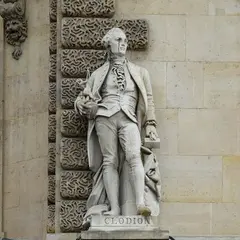
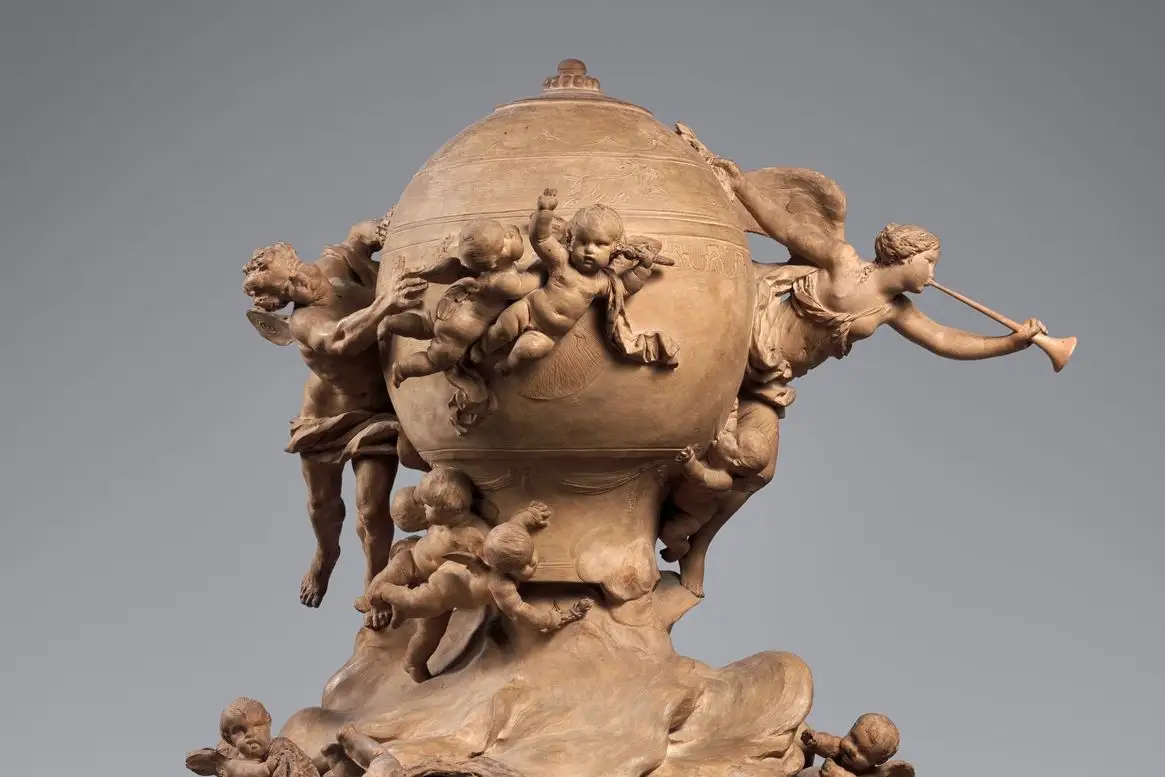
The retrospective history of French art, as presented in the galleries of the 1889 Universal Exposition, was organized under a cloud of uncertainty that persisted until the final moments. This prevented the exhibition from achieving the same scale and importance as the 1867 Histoire du travail or the Trocadéro collections of 1878.
The Exhibition's Uncertain Origins
The high commission initially declared that it would not follow the same program as previous exhibitions, refusing to present the successive developments of French art to the public. An exception was made, however, for the prehistoric period, whose proponents would not have easily accepted its omission. Soon, the commission was drawn further, adopting a special class to assemble the elements of a "History of Human Tools." To this was added a series of reconstructions of ancient dwellings, but these were not connected to an overall program and were presented merely as picturesque structures intended to house bazaars or cafés.
In response, the Commission on Historical Monuments, chaired by M. Antonin Proust, resolved to protest this disregard for what is arguably our most indisputable source of national prosperity. It decided to open an exhibition with a dual character of art and history in the second gallery of the Trocadéro Palace, which had just been granted to it.
Initially, this exhibition was to be limited to revealing to the public the goldsmithing treasures held by our churches, comparing them to the riches that had been assembled in Brussels in 1888. At the last moment, it was recognized that this collection would be too limited if it stopped at the 16th century, and it was decided that it would extend to the end of the reign of Louis XVI.
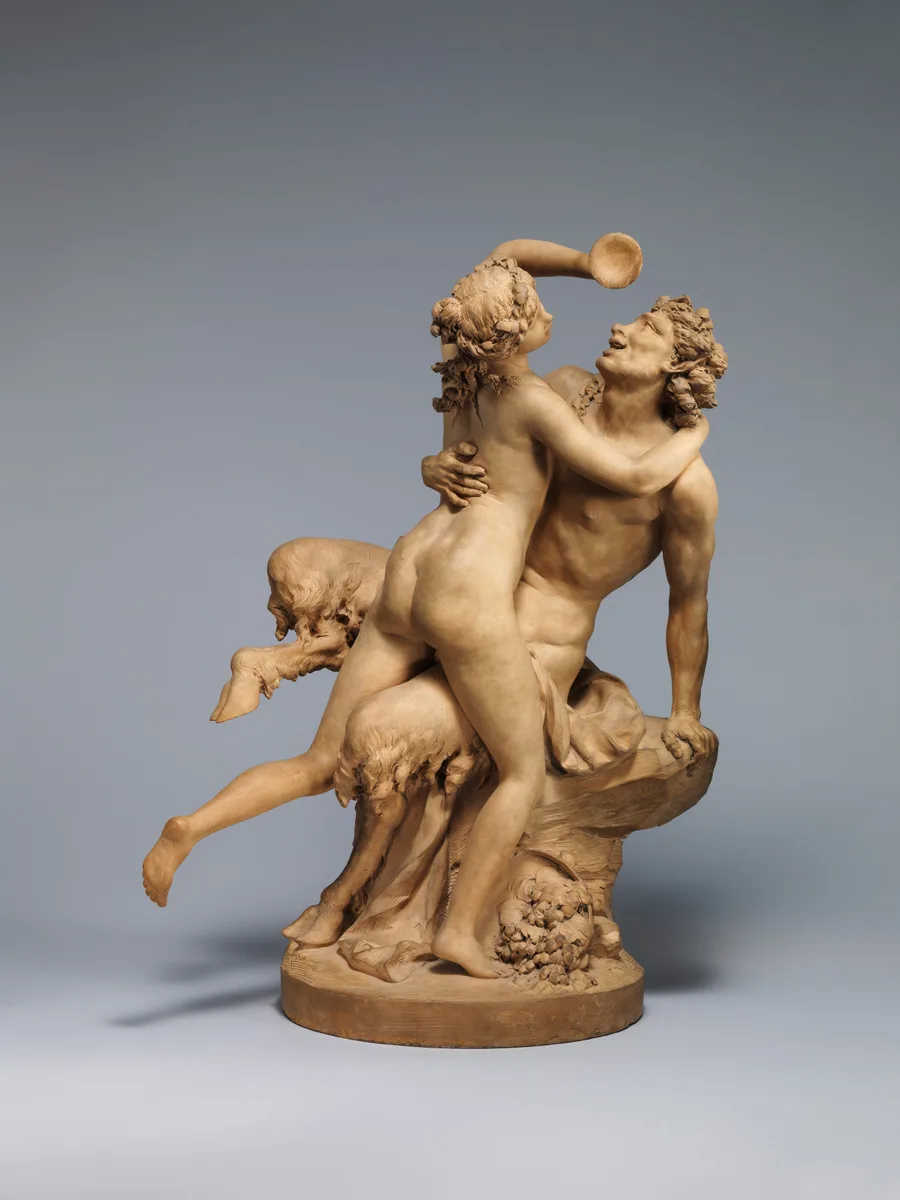
This decision, however, was made too close to the opening for the details of the second part of the enterprise to be studied with the same care as the section on religious goldsmithing. For the modern periods, the commission no longer had the treasures of our churches and provincial museums at its disposal and had to turn to Parisian collectors to furnish the display cases.
Despite the exhibition fatigue that is so prevalent, with events being organized for any charitable pretext, a great number of amateurs responded to this call. However, these were primarily collectors whose proverbial generosity has never refused to support any endeavor. The result is that, despite their interest, the 17th and 18th-century pieces on display at the Trocadéro lack the appeal of the previously unseen, which gives so much value to the neighboring goldsmithing works. Many of them have already appeared in other Parisian exhibitions.