Home/Topics/Ukiyo E

Ukiyo E

1 articles

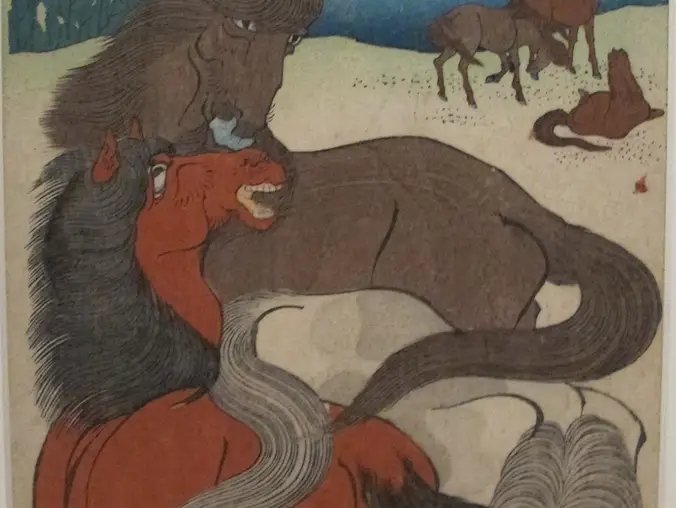
Emerging from Japan’s Edo period (1603–1868), Ukiyo-e, or “pictures of the floating world,” vividly captured the ephemeral beauty and hedonistic urban culture of burgeoning cities like Edo (modern-day Tokyo). This distinctive art form, primarily realized through meticulous woodblock prints, depicted a vibrant society embracing entertainment, with subjects ranging from celebrated kabuki actors and exquisite courtesans to serene landscapes and scenes of everyday life. Pioneering artists like Hishikawa Moronobu established its early monochromatic style, while Suzuki Harunobu revolutionized the medium with the introduction of polychrome “nishiki-e” or brocade prints in the 1760s. Later masters such as Kitagawa Utamaro excelled in bijin-ga (pictures of beautiful women), Toshusai Sharaku in yakusha-e (actor portraits), and Katsushika Hokusai and Utagawa Hiroshige immortalized landscapes with iconic series like Thirty-six Views of Mount Fuji and The Fifty-three Stations of the Tōkaidō. Ukiyo-e’s profound visual vocabulary, characterized by bold outlines, flattened perspectives, and striking compositions, ultimately transcended its Edo-period origins to profoundly influence Western art movements such as Japonisme and Impressionism.