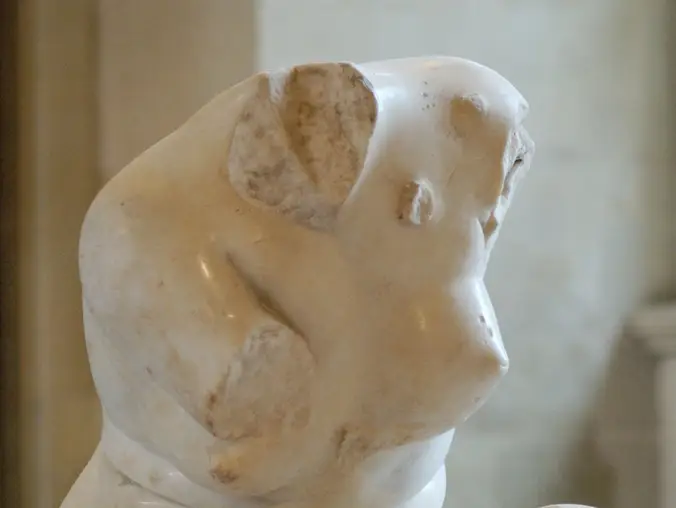
Roman Sculpture
1 articles
Emerging from the 6th century BCE, Roman sculpture, while deeply influenced by Greek and Etruscan traditions, forged its own distinctive identity through an emphasis on realism, veristic portraiture, and narrative historical reliefs. Often executed in marble and bronze, these works served diverse public and private functions, from commemorating political elites to honoring deities. Notable examples include the iconic Augustus from Prima Porta and the historical narrative of Trajan’s Column. Revered by collectors since the Grand Tour, Roman sculptures continue to be highly sought after in the auction market, with pieces ranging from accessible entry-level works to significant imperial portraits commanding substantial prices. Current collecting trends often favor pieces with strong provenance and the rare, naturalistic portraiture of the Republican era.