
The Hour of the Unbroken Spell
There was a specific quality to the silence. It fell, thick and sudden, in bookstore aisles and on city pavements just after the stroke of midnight. It was the collective hush of a generation, the sound of hundreds, then thousands, of minds sinking into the same story at the same moment. In London, New York, Sydney, and Singapore, crowds that had queued for hours, dressed in robes and pointed hats, suddenly dispersed not to party, but to read. This was the ritual of a Harry Potter book release, a cultural pilgrimage that now feels like a dispatch from another era—a time before the global conversation was fractured into a million streams, when a single, analog object could command the world’s undivided attention.
The phenomenon was never just about the boy wizard, the spells, or the battle against a serpentine evil. It was about the shared anticipation, the communal turning of a physical page. It was about the weight of a book in one’s hands, a weight that grew heavier with each passing year, as the slim volume of 1997 swelled into the thick tome of 2007. The story of Harry Potter is inseparable from the story of the book itself: how a series of printed objects marshaled a global audience and orchestrated one of the last great communal reading experiences in modern history.
A Vision on the King's Cross Line
The architecture of this world arrived, it is said, almost fully formed. In 1990, during a four-hour delay on a train from Manchester to London, a 25-year-old researcher and secretary named Joanne Rowling found herself visited by the idea of a boy with a lightning-bolt scar who didn't know he was a wizard. She had no working pen, but in her mind’s eye, the characters, the school, and the essential conflict began to materialize. This moment of inspiration, now legendary, was shadowed by a profound and imminent loss. Her mother, Anne, was in the late stages of a decade-long battle with multiple sclerosis. She would die just six months later, never knowing of the world her daughter had begun to build—a world whose central themes of loss, maternal sacrifice, and the persistence of love after death were irrevocably shaped by that grief.
The years that followed were a crucible. Rowling moved to Portugal, married, had a daughter, and divorced. By 1993, she was back in the UK, living in Edinburgh with her infant daughter, a single mother navigating the bureaucracy of public assistance. She famously described this period as being “as poor as it is possible to be in modern Britain, without being homeless.” Yet it was in this state of “rock bottom,” as she later called it, that the work took shape. In the city’s cafes, over cups of coffee, she wrote in longhand on scraps of paper, transcribing the world she had conceived on the train. The spells, many rooted in the Latin she had studied in her Classics degree at Exeter, were meticulously cataloged. The plot, spanning seven books, was mapped out with an architect’s precision. She was not writing a book; she was building a world on paper, a refuge from the precarity of her own.
The Book No One Wanted
When the manuscript for Harry Potter and the Philosopher’s Stone was finished, it began its own dispiriting journey. It was sent to twelve different publishing houses, and from each, a rejection letter returned. The reasons varied: it was too long for a children’s book, too literary, too complex. The consensus was that there was no market for a story of this nature. One journalist who conducted the first interview with Rowling would later admit he nearly threw his review copy in the bin, convinced the book would fail.
Finally, in 1996, a small, independent London publisher, Bloomsbury, took a chance. The decision was supposedly sealed when the chairman’s eight-year-old daughter read the first chapter and demanded the rest. Even then, the commitment was tentative. Rowling received a modest advance of £1,500 and was advised by her editor to get a day job, as there was little money to be made in children’s books. The initial print run for the hardcover, released on June 26, 1997, was a mere 500 copies. Three hundred of those were destined for libraries, leaving only 200 to be distributed among the nation’s bookstores. It was a release of profound modesty, an almost invisible entry into the literary world.
Those first 500 copies are now the stuff of collecting legend, identifiable by a sequence of subtle tells: the printer’s number line on the copyright page reading “10 9 8 7 6 5 4 3 2 1,” the author credited as “Joanne Rowling” instead of the soon-to-be-iconic “J.K. Rowling,” and a minor typo on page 53. They were not designed as precious objects but as simple, sturdy books for children and library-goers. They were, in their quiet way, the seed from which a cultural forest would grow.
An Unforeseen Alchemy
The book’s ascent was not driven by a blockbuster marketing campaign but by an alchemy of word-of-mouth. It was a slow burn that quickly caught fire. Children, captivated by the story’s blend of the mundane and the magical, passed it to their friends. Teachers read it aloud in classrooms. Crucially, parents began to pick it up after their children were asleep and found themselves equally enthralled. Bloomsbury, sensing the crossover appeal, later issued editions with more sober, “adult” cover art so that commuters would not feel self-conscious reading a children’s novel on the train—a fitting echo of the story’s own origin.
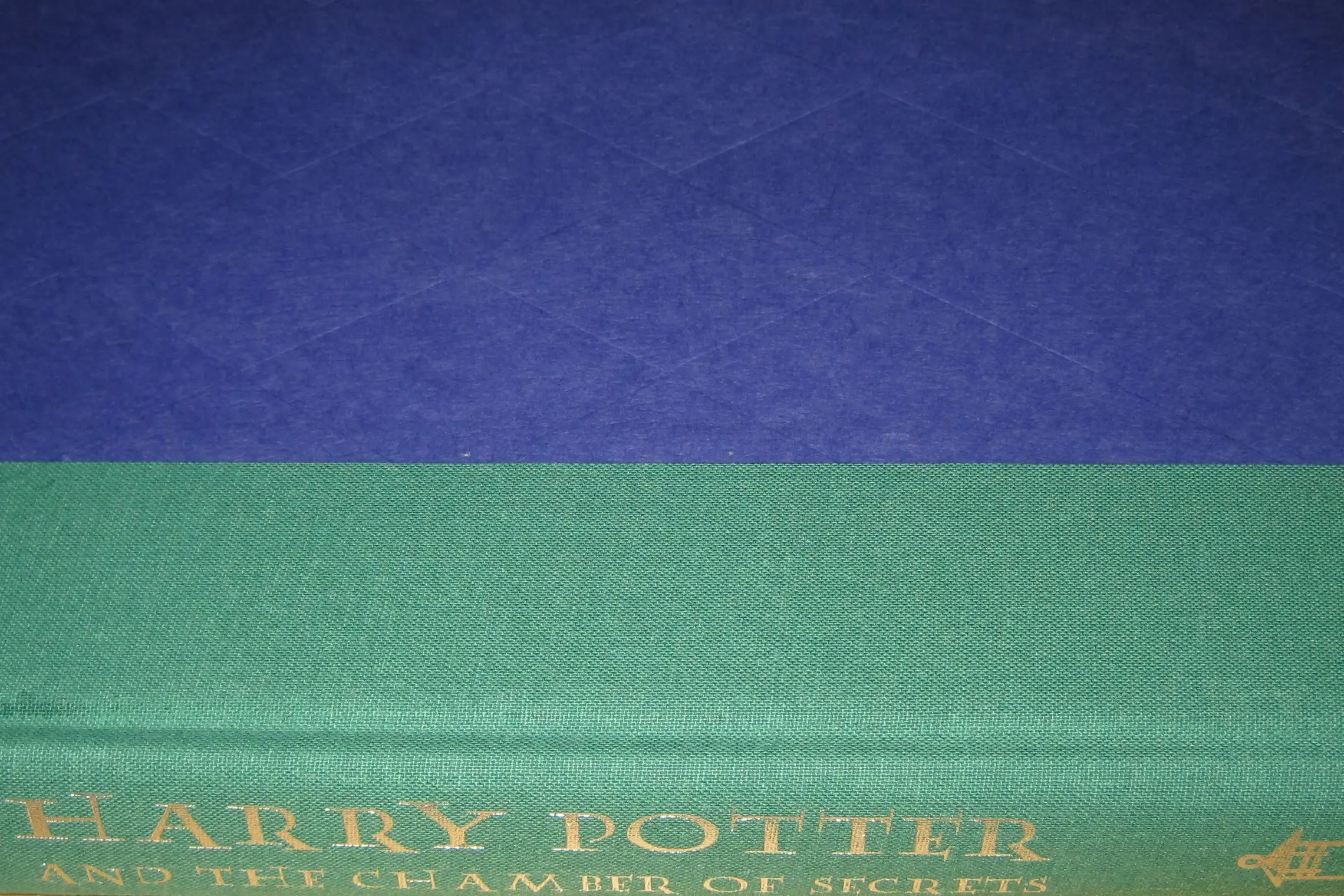
With each subsequent volume—Chamber of Secrets in 1998, Prisoner of Azkaban in 1999—the momentum swelled into a tidal wave. The initial print runs ballooned from the hundreds into the tens, then hundreds of thousands. The physical books themselves became a visual chronicle of this growth. Laid side by side, the spines of the seven-book series tell their own story. The slender first volume gives way to progressively thicker successors, the page count expanding to accommodate a narrative that was growing darker, more emotionally complex, and more thematically ambitious. The books were, quite literally, growing up alongside their earliest readers, who transitioned from childhood wonder to adolescent angst and adult moral reckoning with Harry, Ron, and Hermione.
This physical expansion mirrored the maturation of the story. The cozy school-story conventions of the early novels gradually gave way to a sprawling epic that grappled with prejudice, political corruption, sacrifice, and the nature of tyranny. The world outside the bookshop doors was changing, too. Published in the shadow of the new millennium, the series provided a moral vocabulary for a generation that would come of age amidst the anxieties of terrorism, political division, and the rise of digital surveillance. The Ministry of Magic’s descent into paranoia and control felt unnervingly resonant.
The Midnight Ritual
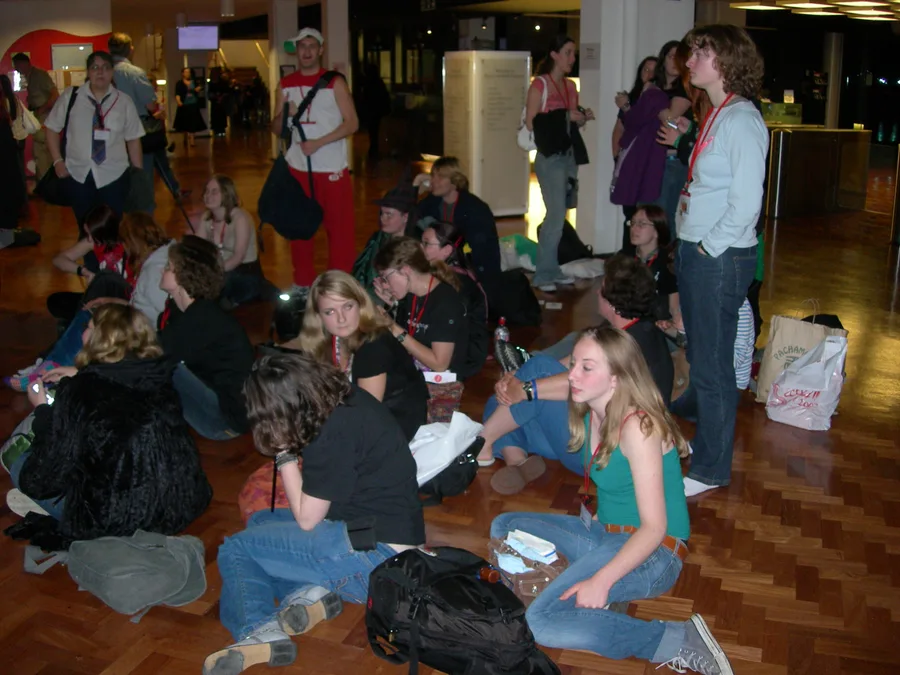
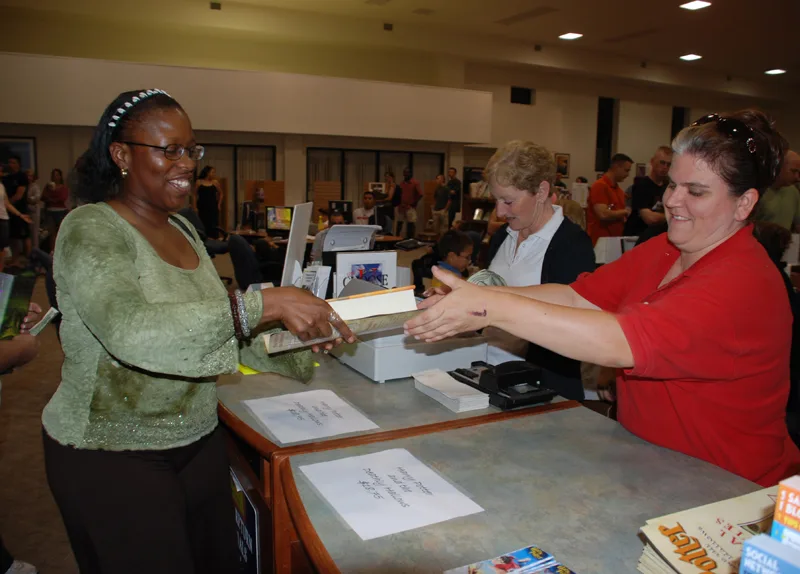
By the time Harry Potter and the Goblet of Fire was released in July 2000, the publication of a new installment had transformed from a simple commercial event into a global cultural ceremony. Bookstores, recognizing the fervor, began hosting midnight release parties. These events became a cornerstone of the Potter phenomenon. They were a form of secular pilgrimage, drawing thousands of fans into a shared space of anticipation. For a few hours, the outside world and its concerns dissolved, replaced by a temporary, magical commons built on a shared love for a story.
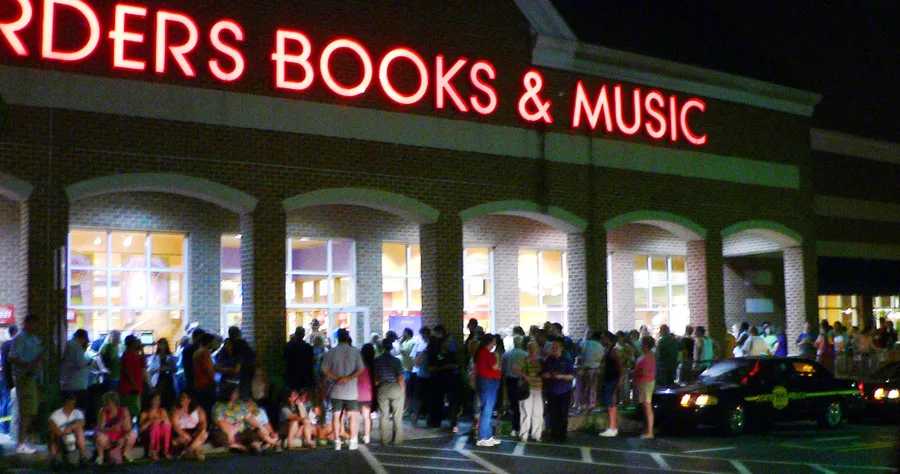
These gatherings were a remarkable feature of a world on the cusp of digital saturation. The internet existed, of course—fuelling fan theories, forums, and nascent forms of online community—but the consumption of the core product remained defiantly analog. The release dates were fixed and globally synchronized. There was no streaming, no staggered release, no way to binge ahead. Everyone, everywhere, started on page one at the same time. This created a powerful, if brief, global monoculture. For the first few days after a release, a silent pact of spoiler-avoidance held sway. It was a unique temporal experience: a planet of readers inhabiting the same narrative space, a shared secret held between millions.
This model stands in stark contrast to the fragmented, on-demand entertainment landscape of today. The Harry Potter releases were appointment viewing on a global scale, but the appointment was with a physical object. It required patience, presence, and participation. It was a ritual that reinforced the primacy of the printed book not just as a vessel for story, but as a catalyst for community and a focal point for a shared cultural moment.
The Object of Devotion
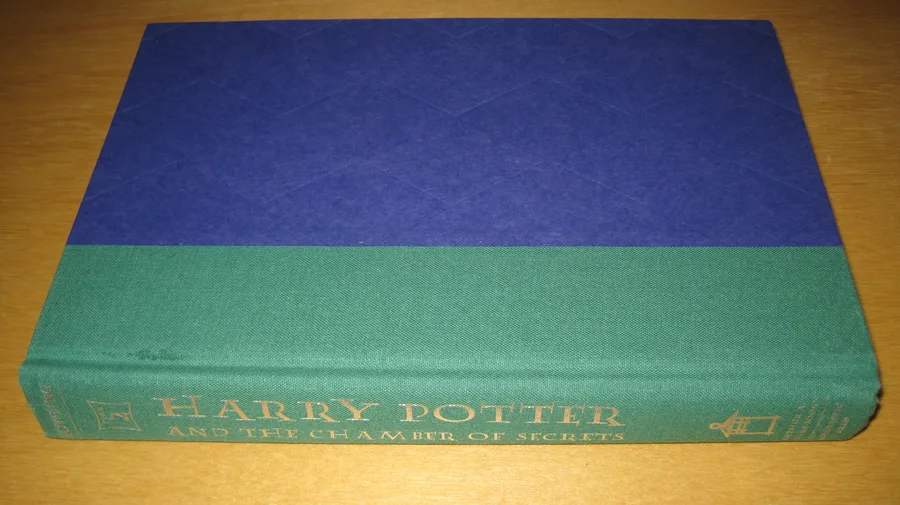
As the series concluded with the record-shattering release of Deathly Hallows in 2007, the books began a second life—not just as beloved stories, but as collectible artifacts. The desire to own a first edition, particularly one of the hallowed original 500 copies of Philosopher’s Stone, became a modern treasure hunt. These are not illuminated manuscripts from a distant century but mass-produced books from the recent past, yet they command prices that rival antiquarian relics. A single copy from that first print run can fetch well over $100,000.
The value is not in the paper or the ink, but in what the object represents: a tangible link to the genesis of a phenomenon. To hold a true first edition is to hold the story before it became a multimedia empire, before the films and theme parks and merchandise. It is a connection to the moment of quiet potential, when it was just a story about a boy, written by a struggling mother in an Edinburgh cafe. The subtle markers—Thomas Taylor’s charmingly modest cover illustration, the name “Joanne Rowling,” the specific print line—are not just bibliographic data points; they are authentication marks of a cultural touchstone.
Today, a full set of the seven British first editions on a shelf presents a silent, powerful narrative. It is a story of growth, of a world expanding, of a generation’s journey through a decade of reading. But it is also a monument to a specific mode of cultural consumption that may never be replicated on such a scale. In their very physicality, the books are relics of a time when the world could still, for a moment, agree to pause and turn the same page, together, waiting for the spell to take hold.
Seen at auction: Sotheby's