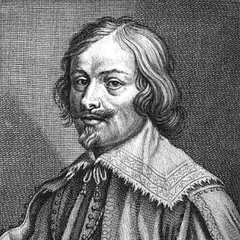
Don Giovanni de' Medici was born in Florence in 1566. He was the illegitimate son of Cosimo I, Duke of Tuscany, who reigned from 1537 to 1564, and Eleonora degli Albizzi. Recognized by his father, he was raised with the other children and always treated as a prince. He was given a military education and sent to serve in Flanders under the Duke of Parma. One after another, his brothers—Duke Francesco I (1564–1587) and then the former cardinal, Duke Ferdinando I (1587–1608)—employed him as a minister and entrusted him with various missions abroad. It was in this capacity that he came to Nancy in June 1608 to represent Tuscany at the famous funeral of Charles III of Lorraine. Jacques Callot might have spotted him in the procession that followed the coffin from the Ducal Palace to the Cordeliers convent, had the sixteen-year-old not chosen that very moment to flee his paternal home and escape the seminary that threatened him.
A Prince of the Medici
Don Giovanni was a cheerful prince—so cheerful, in fact, that his life in his Parione palace on the Arno alarmed the Dowager Grand Duchess, Christine. Following the example of her dear grandmother, Catherine de' Medici, she governed the state herself in the name of her son, Cosimo II (1608–1621). Fearing his influence, she asked the prince to set his bad examples outside the country. He departed for Venice, taking with him the beautiful Livia Vernazza, a baker's wife whom he had abducted from her husband.
In Venice, he became a general for the Serenissima (the "Most Serene Republic"). The Republic, in agreement with the Turks and the English, had declared war on Austria to put an end to the damage caused to its Adriatic shipping by the piracy of the Uskoks, Dalmatians or Croats from Senj. In 1617, Don Giovanni was tasked with attacking Gradisca in the Friuli region.
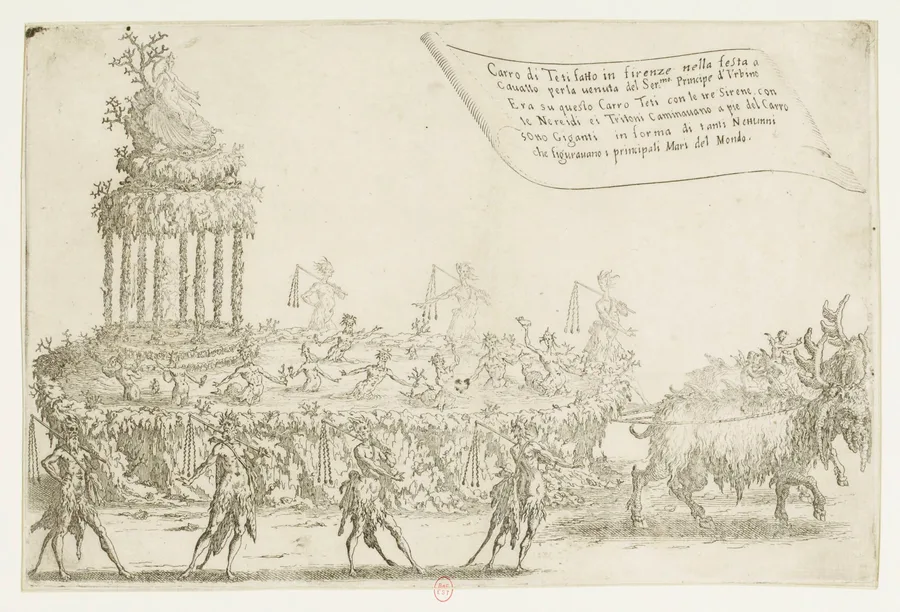
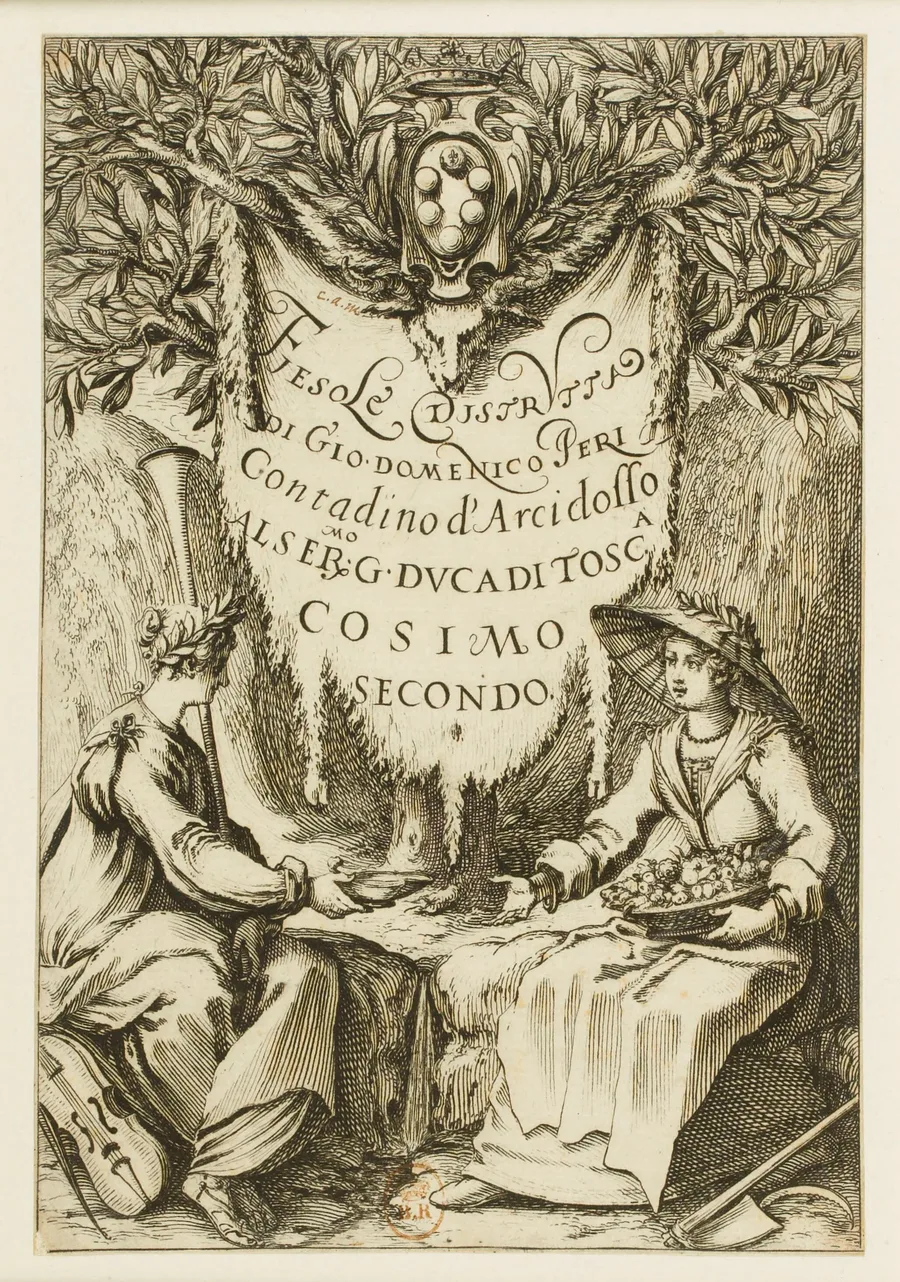
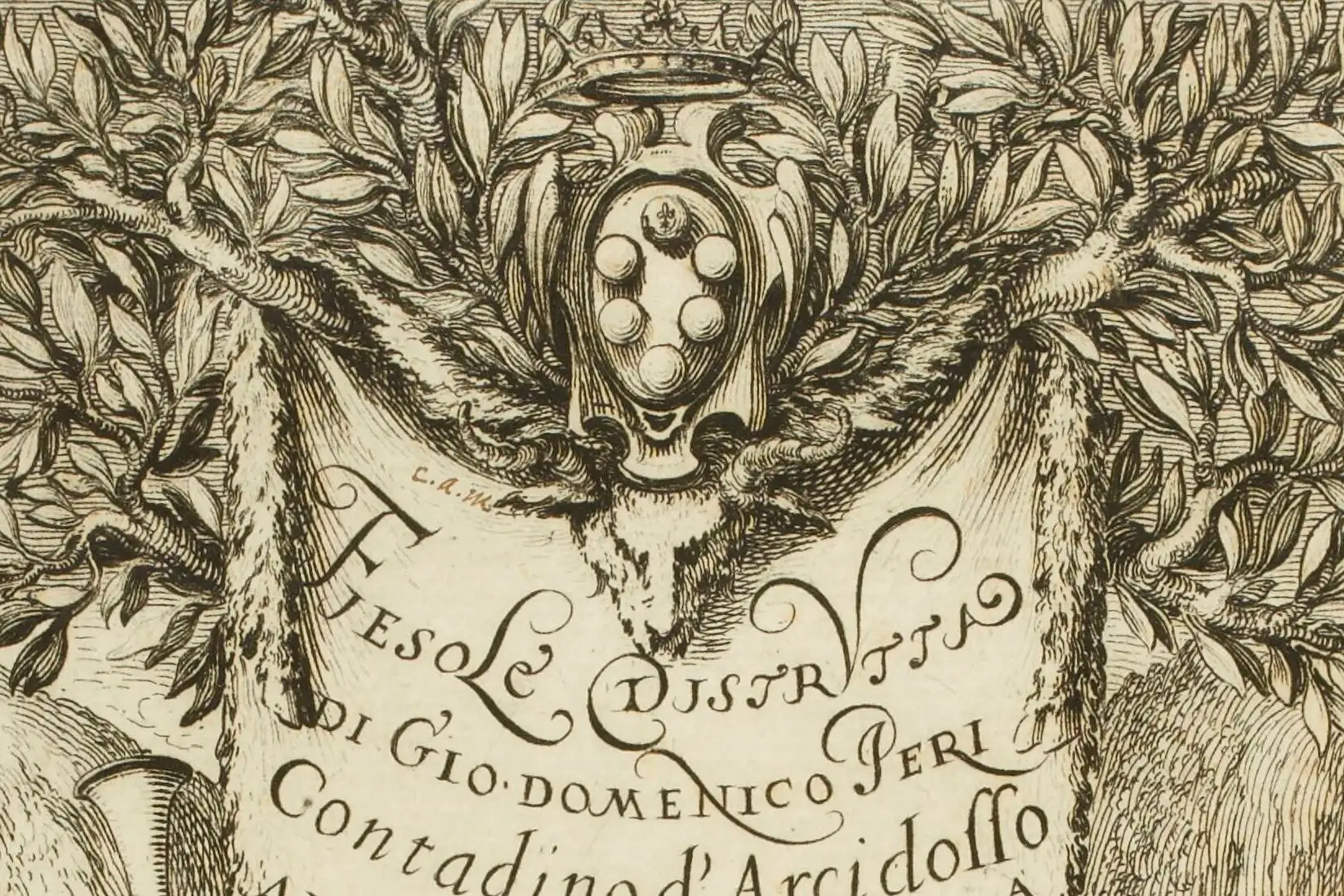
It was from the Venetian camp before this city that the following correspondence, now preserved in the State Archives in Florence, was exchanged. We present here a translation of these letters. They draw attention to a work by the Lorraine etcher that none of the artist's biographers have mentioned, and they shed some light on the artist's life and soul, which are still shrouded in shadow.
To manage his affairs in Florence, Don Giovanni left behind a steward, Cosimo Baroncelli, who reported weekly on the commissions he was handling, spicing up his letters with little stories of the day. His letters are found in volume 5147 of the Medicean collection. The prince had with him a Florentine draftsman for siege and attack plans, Gabbriello Ughi, who also served as his secretary, especially for communications with the beautiful Livia, who remained in Venice during the campaign. Gabbriello's correspondence forms volume 5144 of the same collection. Callot's letters are found in volume 5141.