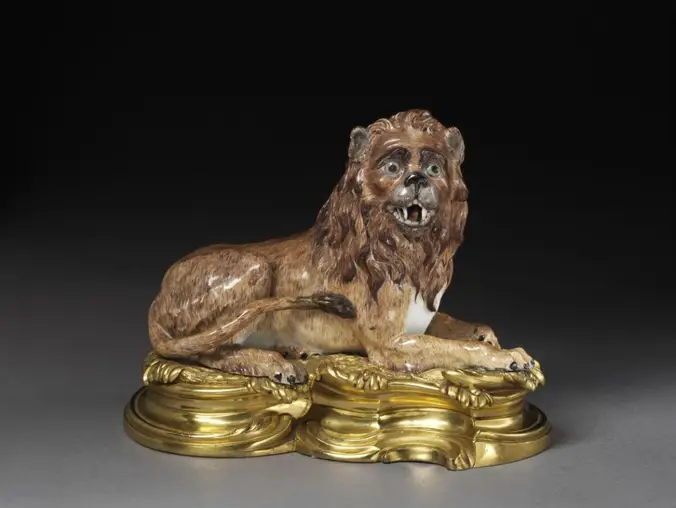
Animal Sculpture
1 articles
From the earliest Paleolithic carvings unearthed in places like Vogelherd and the Magdalenian period, animal sculpture has held a profound place in human artistic expression. Ancient civilizations, including the Egyptians with their divine sphinxes and theriomorphic deities, and the Mesopotamians with their powerful lamassu and ceremonial bulls, imbued animal forms with deep cultural and religious significance. The genre evolved through Classical antiquity’s naturalistic portrayals, the allegorical creatures of medieval bestiaries and gargoyles, and found renewed vigor in the 19th-century Romantic movement, notably with the French Animalier school led by Antoine-Louis Barye. This continuous engagement with animal subjects reflects an enduring fascination with the natural world, its symbolic resonance, and its capacity to embody complex human narratives and abstract concepts across millennia. In the 20th century, modernists such as Constantin Brâncuși pushed the boundaries toward abstraction, focusing on the essence of animal movement rather than mere mimesis.