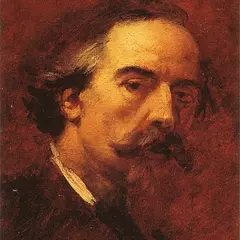
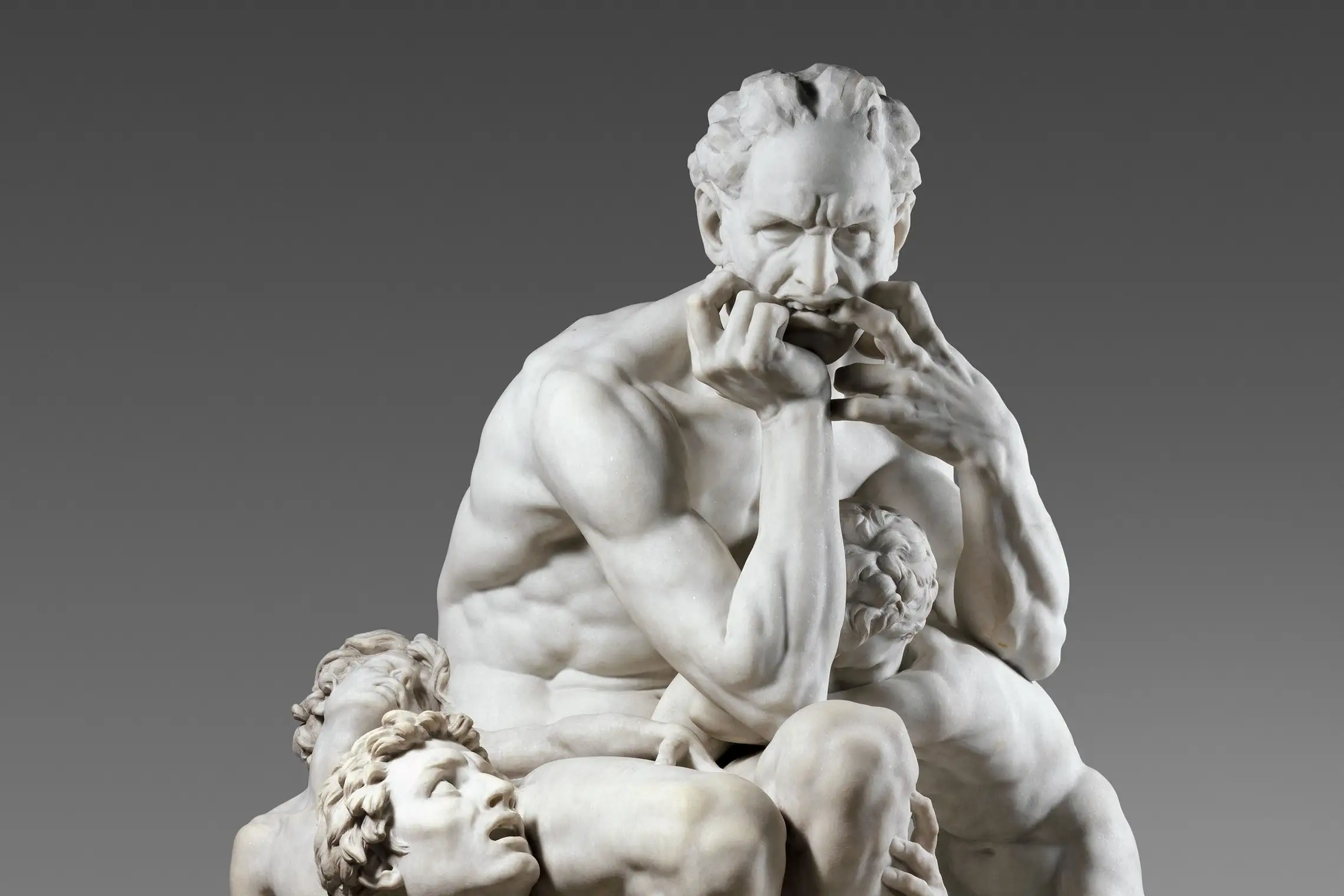

Sentimental concerns, quite legitimately, seem to have mingled with the universal sorrow sparked by the death of Carpeaux. And what could be more natural? The courageous artist was taken so young from the art he honored, and he had suffered so much. Through indiscretions in the newspapers and the confidences of friends, the public knew that the last two years of his life had been an atrociously painful martyrdom. With pity joining justice, the biographical studies published after his funeral were inevitably complicated by all manner of sadness.
A bit of exaggeration may have crept in at that time—not in the regret, but in the praise. Reading these passionate obituaries, some of which went so far as to claim Carpeaux had been misunderstood, a few less impassioned critics must have thought it best to let the initial outpourings of friendly grief pass and to postpone, until calmer moments, the judgment that the work of an artist so well-regarded by the public seemed to deserve. The study of multifaceted talents, moreover, requires a certain leisure; to appreciate a sculptor like Carpeaux at his true value, one needs a little distance.
Without debating whether it might be prudent to wait still longer, one can say today that Carpeaux had no cause to complain of indifference or injustice from his contemporaries. He arrived at a propitious time, when the old school quarrels had died down and the systematic persecution of virile artists had ceased to be fashionable. Thanks to the combatants of the early days, the ground had been won. Those who claimed that the essential characteristic of French sculpture is life could now walk freely upon it.
Had Carpeaux entered the art world around 1835, he would have found the old academic citadel intact and would have been forced to struggle like Barye. Rejected at the Salon, deprived of official work, and insulted by the classical cohorts, he would have savored the bitter delights of persecution. Nothing of the sort appears in his biography. After the initial struggles of his debut, Carpeaux had only to present himself to conquer. More fortunate than his predecessors, he encountered a public long since converted to all the seductions of agitated and, if need be, excessive art.
Early Life and Academic Training
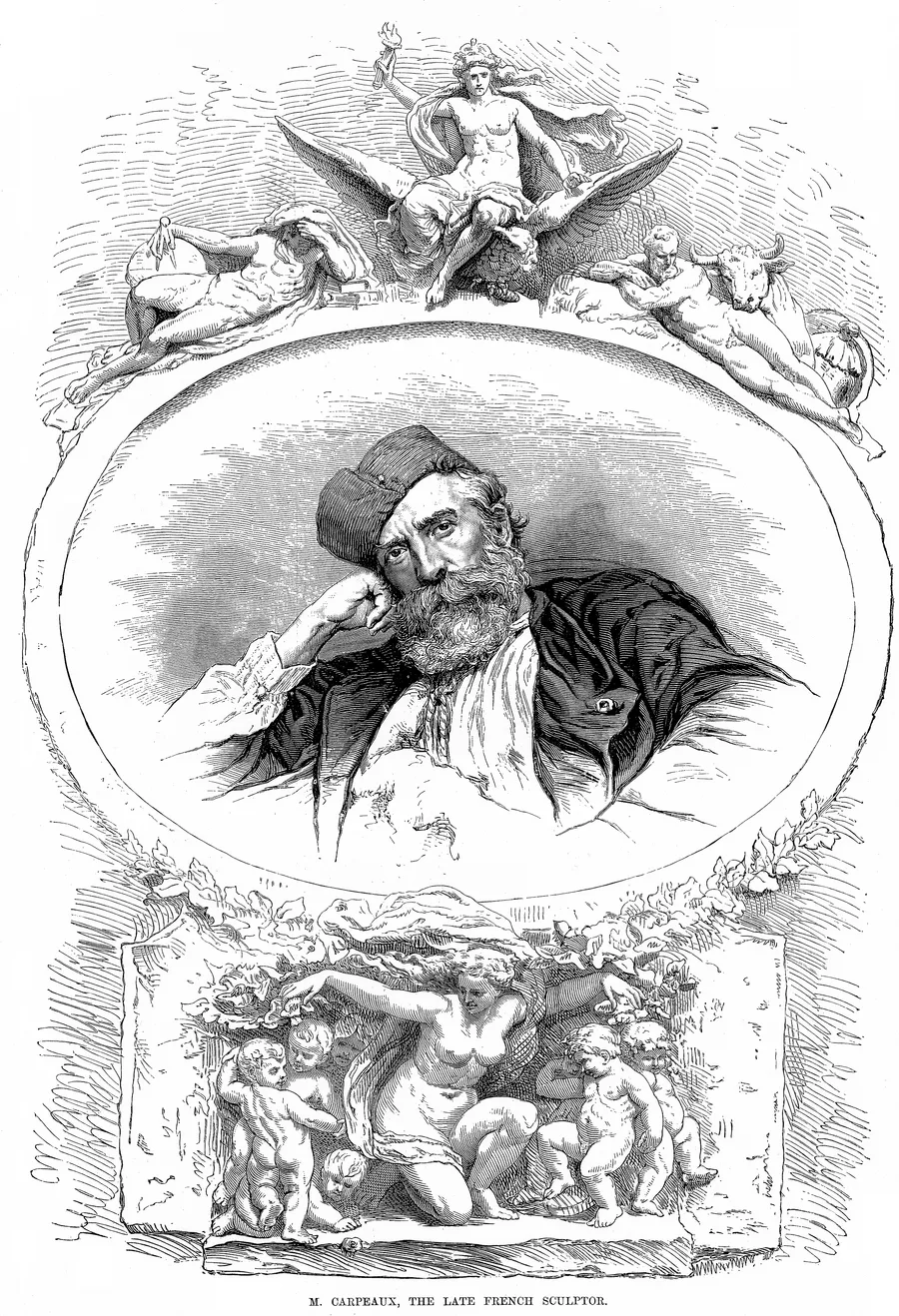
Jean-Baptiste Carpeaux, who would later place his ideal in movement, had very sensible beginnings. Born in Valenciennes on May 11, 1827, he could complain of being poor and therefore obliged to fight for a place in the sun; but he could thank heaven for having been born in the land of Watteau and also of a few colorist sculptors, like Saly, who was not without a certain Coustou-like grace, and Jacques-Philippe Dumont, whose terracotta busts often possess the living spark of wit. To be born in Valenciennes is an honor and a stroke of good fortune.
Carpeaux began his studies at the academy in his hometown. Sculpture was taught there, and his first guide was a Mr. Grandfils, who had been a professor since 1840. From his debut, Carpeaux became the hope of the school, soon receiving the encouragement he was due. He was successively a pensioner of the Nord department and of the city of Valenciennes. Generously voted subsidies allowed him to come to Paris and pursue, with good masters, the studies that would make him the vigorous artist we will see grow.