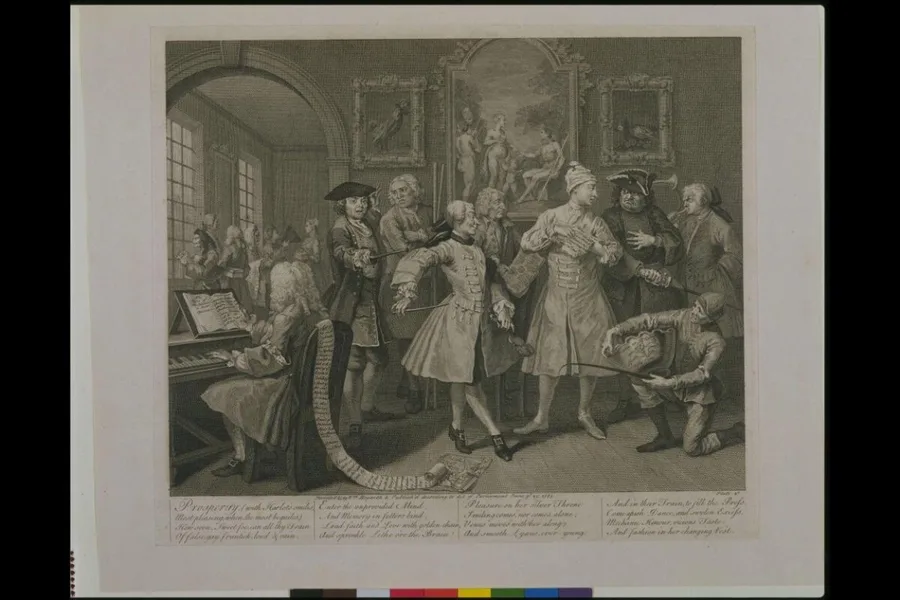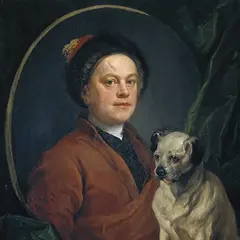
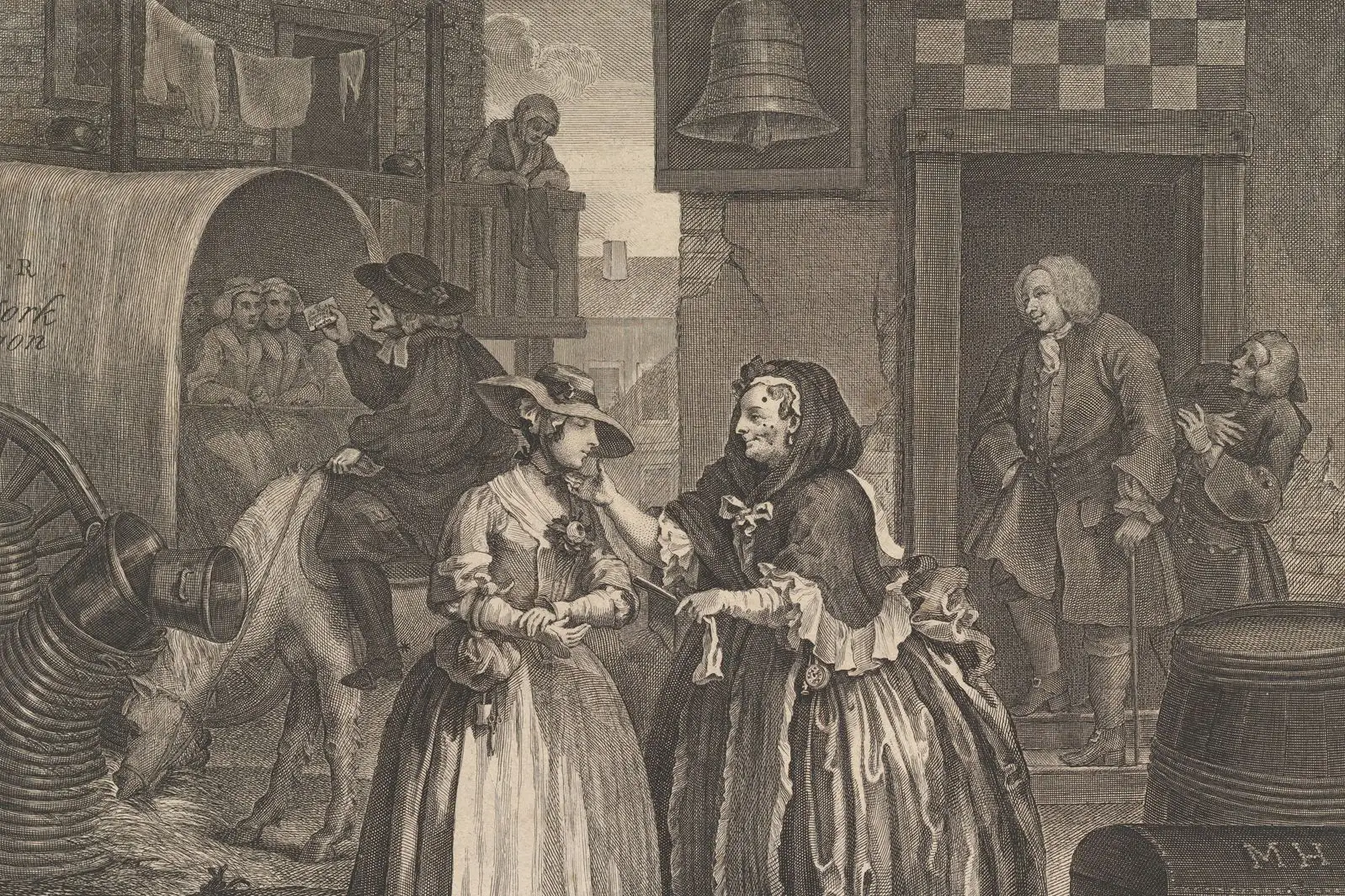
William Hogarth's work, a blend of biting satire and profound morality, marks a pivotal moment in the history of English art. His engravings and paintings did not merely capture the society of his time; they dissected it with the sharp precision of a moralist's scalpel, creating a new genre of pictorial drama that was uniquely and powerfully English.
The State of Art in England
Under the reign of Charles II, art was dying in England. The great historian Macaulay acknowledged this slumber of the plastic arts during that fatal era. "It is not easy to explain," he said, "how a nation so far advanced beyond its neighbors in science, remained so far behind them in the fine arts. Yet this was the case. In architecture, it is true, our country could proudly boast of a great man, Christopher Wren;... on the other hand, at the end of the reign, we did not have a single painter or sculptor whose name deserved to be preserved. Something mysterious is hidden beneath this scarcity, for sculptors and painters were far from being despised or poorly paid.
Their social position was at least equal to that which they occupy at present, and their profits, compared to the national wealth of that time and the remuneration for other intellectual work, were more considerable than they are today. The munificence of English patronage for artists even drew them to us from all sides."1
Almost all the distinguished artists of that time came from abroad. Sir Peter Lely, a Westphalian whose real name was Van der Faes, and Sir Godfrey Kneller, from Lübeck, had claimed the inheritance of Van Dyck, along with the Englishman Sir James Thornhill. These men became the playthings of the inconstant tastes of their time.
Lely, who practiced history painting, landscape, and especially portraiture, painted both Charles I and Cromwell and became the fashionable painter under Charles II. He had shown himself to be the most brilliant of the three artists we have just named, but he lacked the spark of genius, that masterful fire which seems, if one may say so, to carry nature away on the tip of the brush. He did, however, have the honor of sometimes approaching Van Dyck in the transparency and lightness of his tone.
The Rise of William Kent