
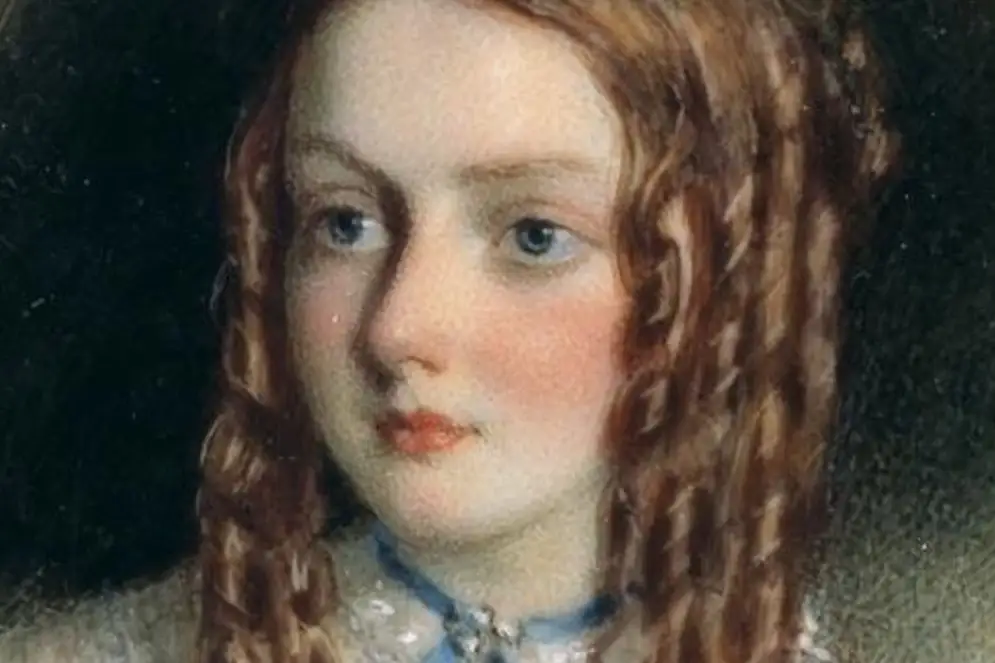
The miniature painter Simon-Jacques Rochard remains virtually unknown, yet he is an artist well worth discovering. A Frenchman, he spent almost his entire life outside of France, which is undoubtedly the main reason for the undeserved oblivion into which he has fallen among his compatriots. Even in England and Belgium, where he enjoyed lucrative success and deserved celebrity during his lifetime, he is forgotten today; his name has not outlived him.
His works, however, protest against this indifference. They reveal a vigorous and original artist, worthy of being placed alongside the best in the art of miniature: the Augustins, the Isabeys, the Dumonts. He ranks far above the Saints, the Sicardis, the Guérins, the Périns, the Aubrys, and so many others who, more fortunate than he, still retain a legitimate reputation.
We can now repair this injustice, thanks to M. Garnier-Heldewier, a Belgian plenipotentiary minister who has dedicated himself to Rochard's rehabilitation. Recognizing in him an artist of great pedigree, he has collected a considerable number of his works, gathered documents to shed light on his career, and sought out everything that could help restore the justice due to him. During this inquiry, pursued with laudable tenacity, M. Garnier-Heldewier found the trail of the master's widow, who provided him with precious documents and useful information. It is to him that we owe the materials for this study, and the delicate pleasure of performing an act of equity by restoring a high-caliber artist to his rightful place.
An Escape to Fame and Fortune
Simon-Jacques Rochard was born in Paris on December 28, 1788. His mother was a Talon who prided herself on being descended from Omer Talon, advocate-general at the Parliament of Paris, who died in 1657 after achieving a celebrity at the bar attested to by his contemporaries. Two Rochards perished on the scaffold during the revolutionary turmoil. Simon's mother, left a widow with twelve children, soon came to depend on the precocious talent of young Simon, who already excelled at capturing likenesses. He drew portraits in pencil, for which he generally charged five francs.
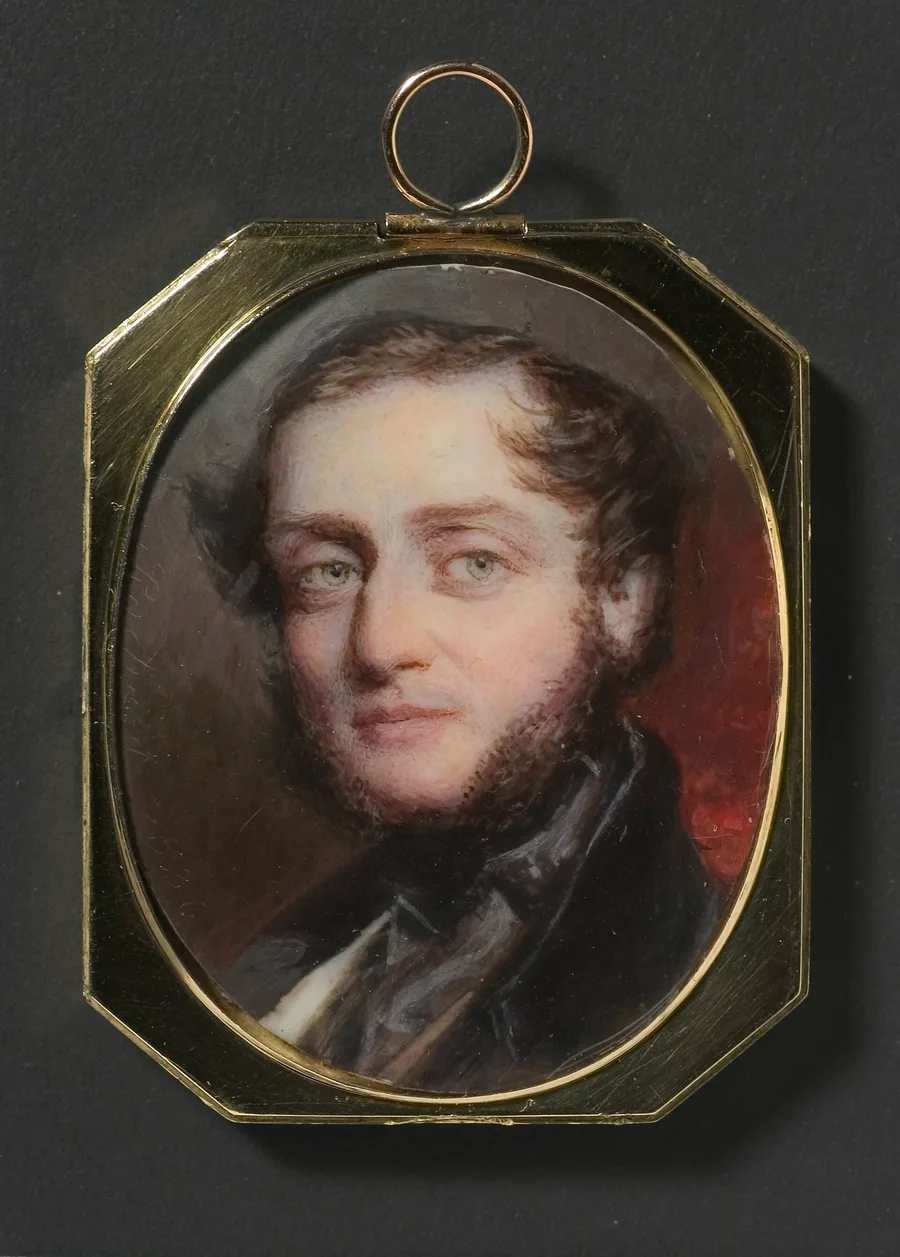
A student of Aubry and the Académie du Louvre, he must have also seriously studied burin engraving, as he produced a very fine print of Belisarius, painted by Gérard in 1795. He also engraved, on a single plate, the somewhat heavy profiles of Napoleon I, Marie-Louise, and the King of Rome (aged one or two), with the legend: Famille impériale (Imperial Family), and "Rochard inv', del' et sculp'. Se trouve à Paris chez l'Auteur, rue Garancière, n° 5, et chez Bence aîné, rue Saint-Denis. Déposé à la Direction." (Rochard designed, drew, and engraved it. Available in Paris at the Author's, 5 rue Garancière, and at Bence the elder's, rue Saint-Denis.
Registered with the Directorate). These two plates reveal an advanced level of experience.1