
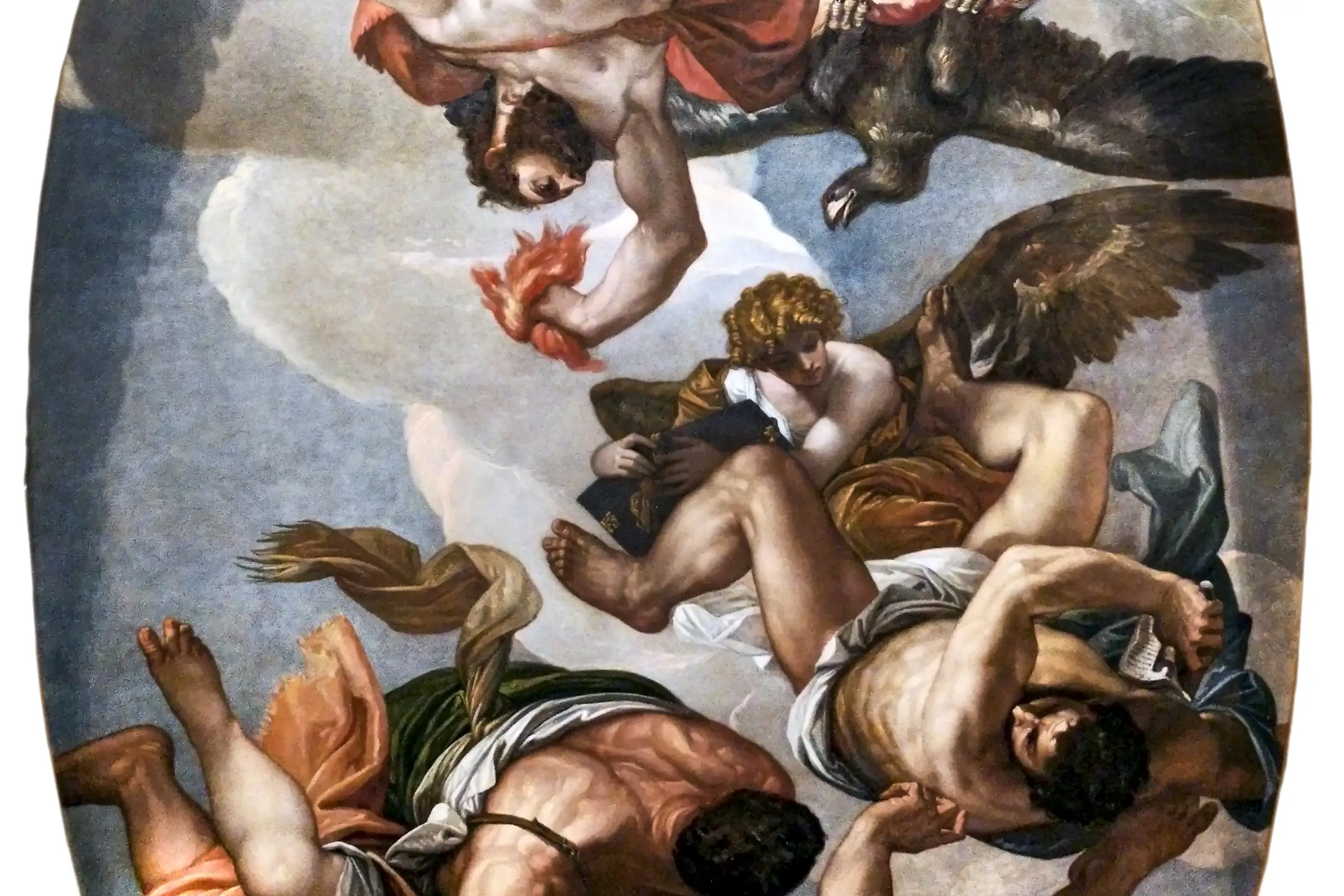
On September 27, 1422, following a series of disasters that had left the Doge's Palace of the Republic's early centuries in a state of near ruin, the Great Council voted for its reconstruction. The very text of the adopted resolution indicated the grandeur, character, and propriety of the work that was about to be undertaken. As the unique residence of the Serene Prince, the meeting place for the great councils of state, the permanent seat of justice, and the center of executive power, the form of the new palace was to be worthy of its high purpose and contribute to the glory of Venetian sovereignty.
The Reconstruction of the Palace
For some years, a number of senators had grown impatient with the inadequacy and smallness of the monument to which Pietro Basejo and Filippo Calendario had attached their names in the first half of the 14th century. However, distant wars, marked by both triumphs and setbacks, demanded economy and prudence. To put a stop to reconstruction proposals that would have imposed heavy expenses on the public treasury, the Senate had decreed that any member of the Great Council or the Senate who rose to make such a motion would be liable for a fine of one thousand gold sequins.
The Doge himself, Tommaso Mocenigo, defied the ban, submitted to the prescribed penalty, and saw his motion achieve its full effect with a nearly unanimous vote. Two years later, in 1424, the work began. The form of the pact was proud and solemn:
Palatium nostrum fabricetur et fiat in forma decora et convenienti quod respondeat solemnissimo principio Palatii nostri novi et sit pro honore nostri Dominii.1
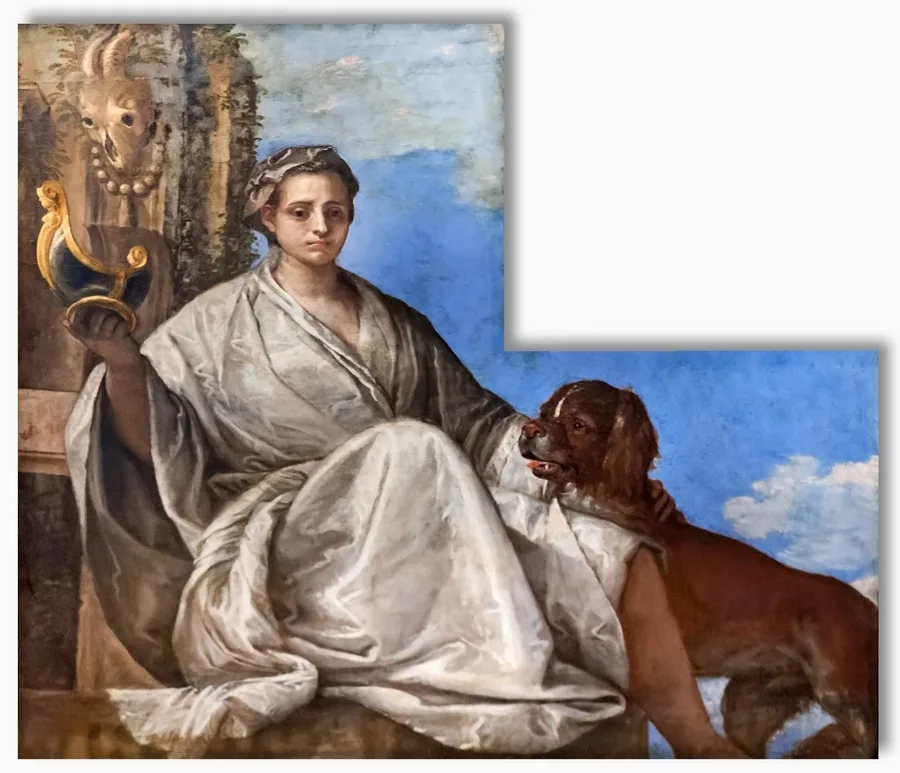
The current appearance of the palace's facade, facing the Lagoon and the Piazzetta, gives us a fairly accurate idea of the monument erected at that time by the master builder and sculptor, Giovanni and Bartolommeo Bon. The silhouette has not changed; the details themselves, whether renewed, preserved, or restored, remain the same. Only the frontispiece, the large bay overlooking the Lagoon, bears the stamp of the 16th century in its sculptural decoration, though it adheres to a design from an earlier era. This was the result of the program given to the builders, a point that would be emphasized when two successive fires, in 1574 and 1577, destroyed the entire wing facing the Lagoon, which housed the Hall of the Great Council.