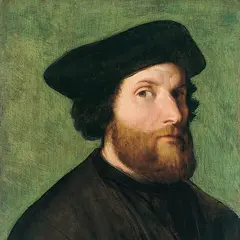
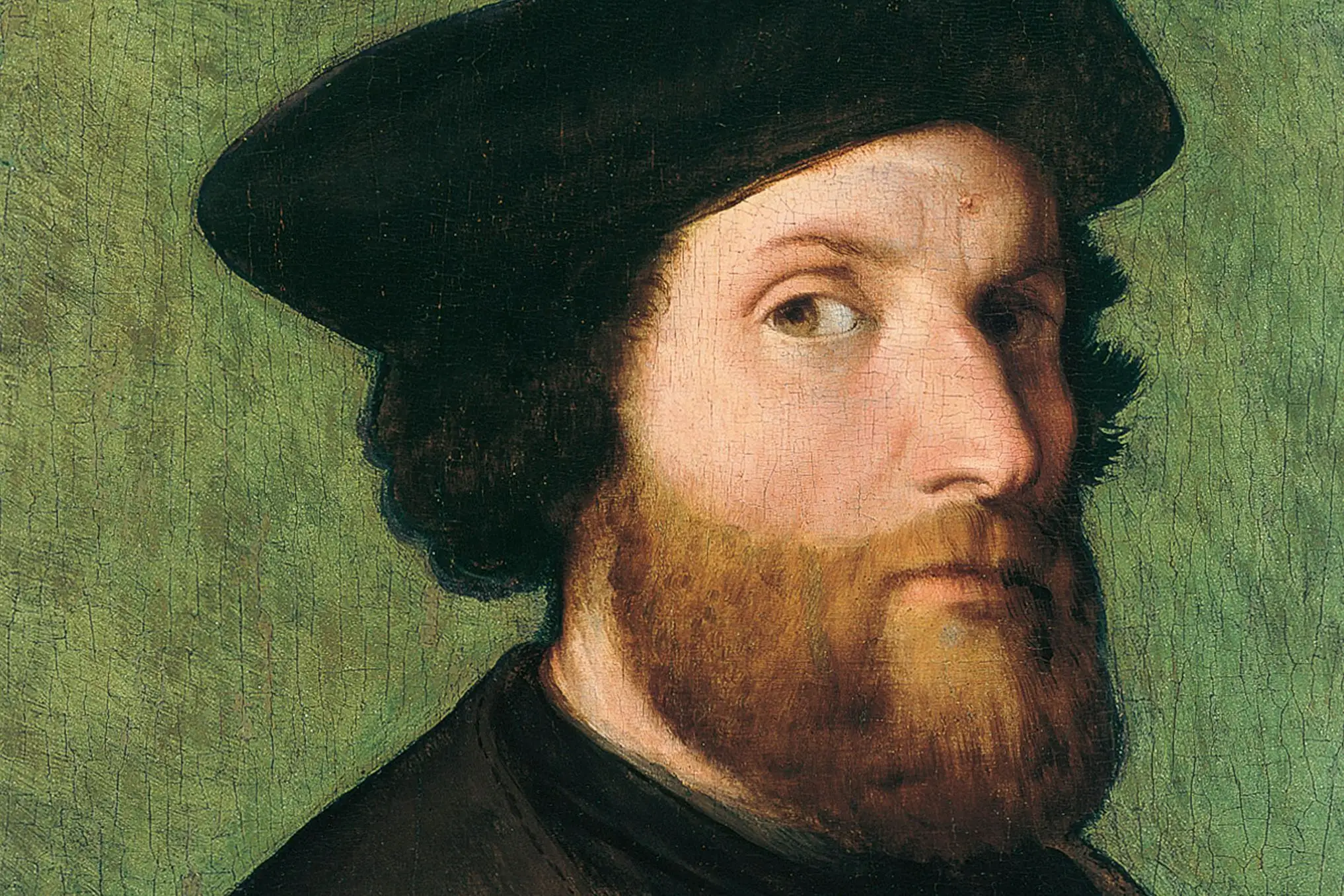
Much has been said of Lorenzo Lotto in recent times. After a period of being somewhat overlooked, he now commands considerable attention. Building on the work of his predecessors—such as Morelli, who compiled an abridged list of the master's works in his book on Italian painters, and Hugo von Tschudi, who followed Lotto's travels through the Marches region¹—Mr. B. Berenson has dedicated a more comprehensive study to him, which Mary Logan reviewed in this very publication with as much delicacy as competence.²
And yet, despite Mr. Berenson's scrupulous research, we believe he has not made the fullest possible use of the valuable documents on Lotto that have recently been published; perhaps he was not aware of them in time. In any case, he did not sufficiently emphasize the close correspondence between certain of the artist's works and his inner life, nor the ease with which they allow us to penetrate more deeply into his private world. Although the paintings created for the churches and sanctuaries of Italy constitute the most significant part of his oeuvre, it is in his portraits, in our opinion, that Lotto invested the best of himself and demonstrated his full merit. Indeed, even his religious compositions derive their value primarily from the diversity of the human types he introduces. They are, in truth, gatherings of portraits, full of life and expression, among which we frequently recognize some of the same individuals he painted in isolation. For even in his most mystical productions, one always senses that love of nature and attentive study of reality without which there can be no accomplished artist.
A Personal Confession in Portraiture
While Lotto represented his models in the intimacy of their inner lives, making each image interesting for its candid individuality, the entire body of his portraits also seems to constitute a personal confession. This collection reveals not only the significant aspects of his talent but also his way of understanding life—the seductions and dangers encountered by his tender and loyal soul. This was a spirit often troubled, always striving for perfection, seeking to warn others against the temptations of sensual pleasure and to triumph over the weaknesses of his own nature.
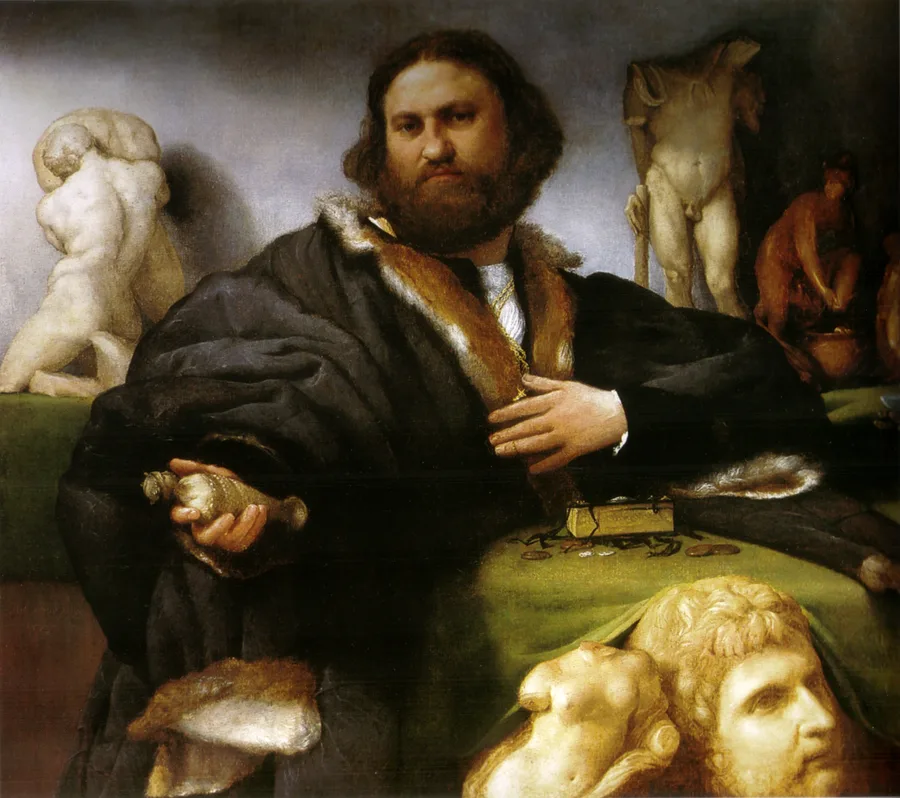
I am aware that in assessments of this kind, criticism—naturally inclined to simplify its sources of information to achieve a deceptive unity—too often attributes to an artist intentions he never had. But here, the facts are numerous and formal enough to be convincing. Without fear of being accused of paradox, I confidently submit them to the judgment of my readers.
First, it is necessary to establish two categories among the portraits painted by Lotto. The first includes those in which, facing unknown or unfamiliar clients, he simply had to focus on representing them as they were, with no other concern than that of a faithful likeness.