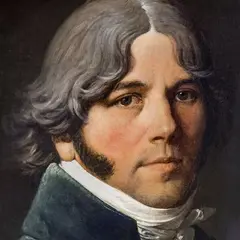

In our school, there are several painters, even famous ones, who have remained their entire lives outside the true domain of art. As tireless pretenders and brilliant candidates, they have been seen parading around the sacred enclosure, yet they have never crossed its threshold. While the public believed them to be initiated into the great mysteries, they were held back in the outer propylaea, and the temple door was closed to them. Such is not the case with M. Ingres. While still very young, he was introduced into the sanctuary; he was able to penetrate to that reserved place the Greeks called the opisthodomos, which contained the treasure.
Nevertheless, M. Ingres's fame remains an enigma for many people, and for a long time now, many have been asking what the secret of our veneration for him is. Impatient to admire him on more than just hearsay, they want an explanation of what is so precious in his teaching and so rare in his work. Now that the master's glory is hailed even by those who do not understand it, the time has come to explain these secrets to the public with complete frankness and simplicity. Furthermore, we must not be suspected of thoughtless enthusiasm or of praising this or that master without reason. In the past, criticism could be limited to vague formulas; an ingenious insight or a witty remark was enough for it to be accepted.
This is no longer the case today: criticism is required to present its accounts in due form and to justify its judgments.
The Nature of Style
First of all, what is style? It is the art of presenting each figure in its typical truth, in its grandest aspect, by discerning the beauty proper to it. From the moment a being is alive, it carries within it a kind of interest, individuality, which is the imprint of the unknown god who presided over its destiny. If fortune has supported nature in this being, if circumstances have conspired to develop its temperament, it possesses a primary beauty, which is character. This means that it connects to a whole series of similar beings and summarizes their physiognomy.
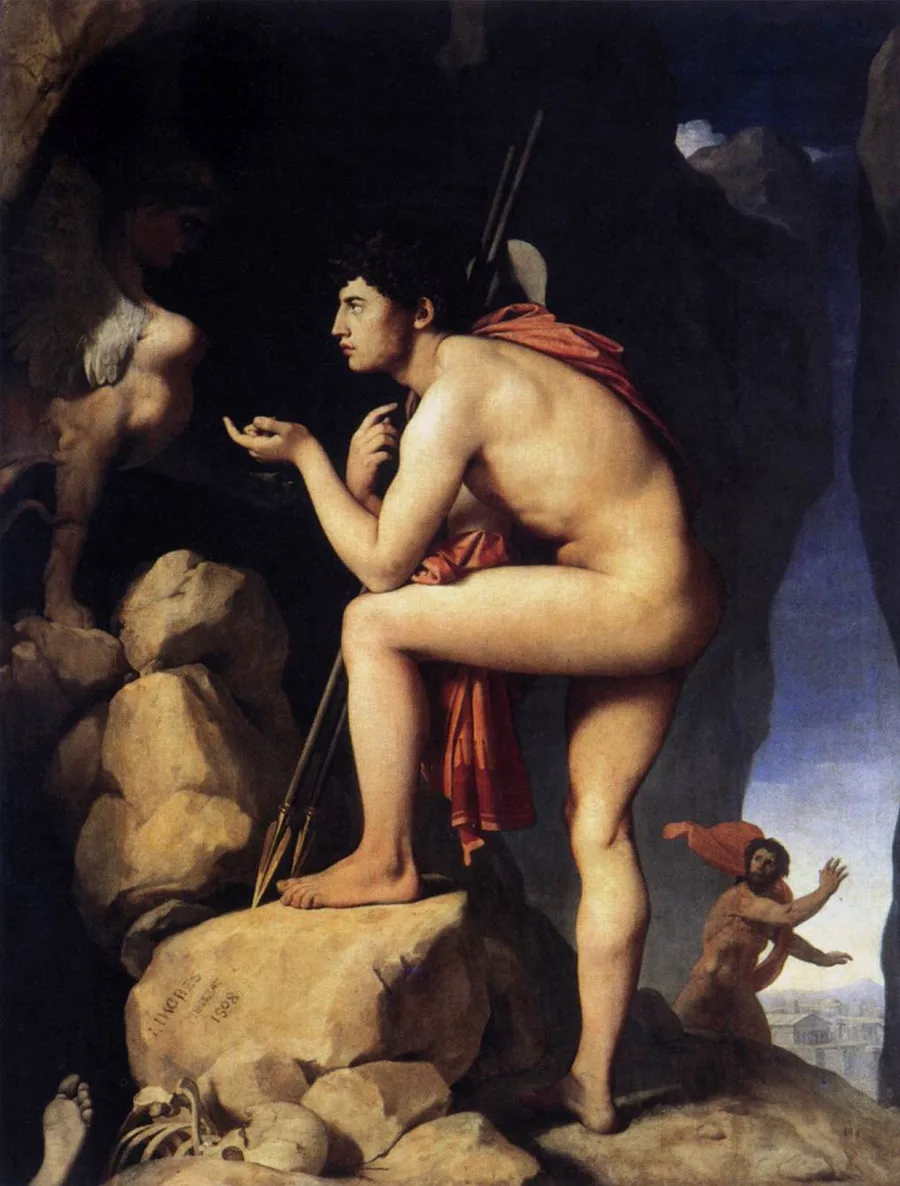
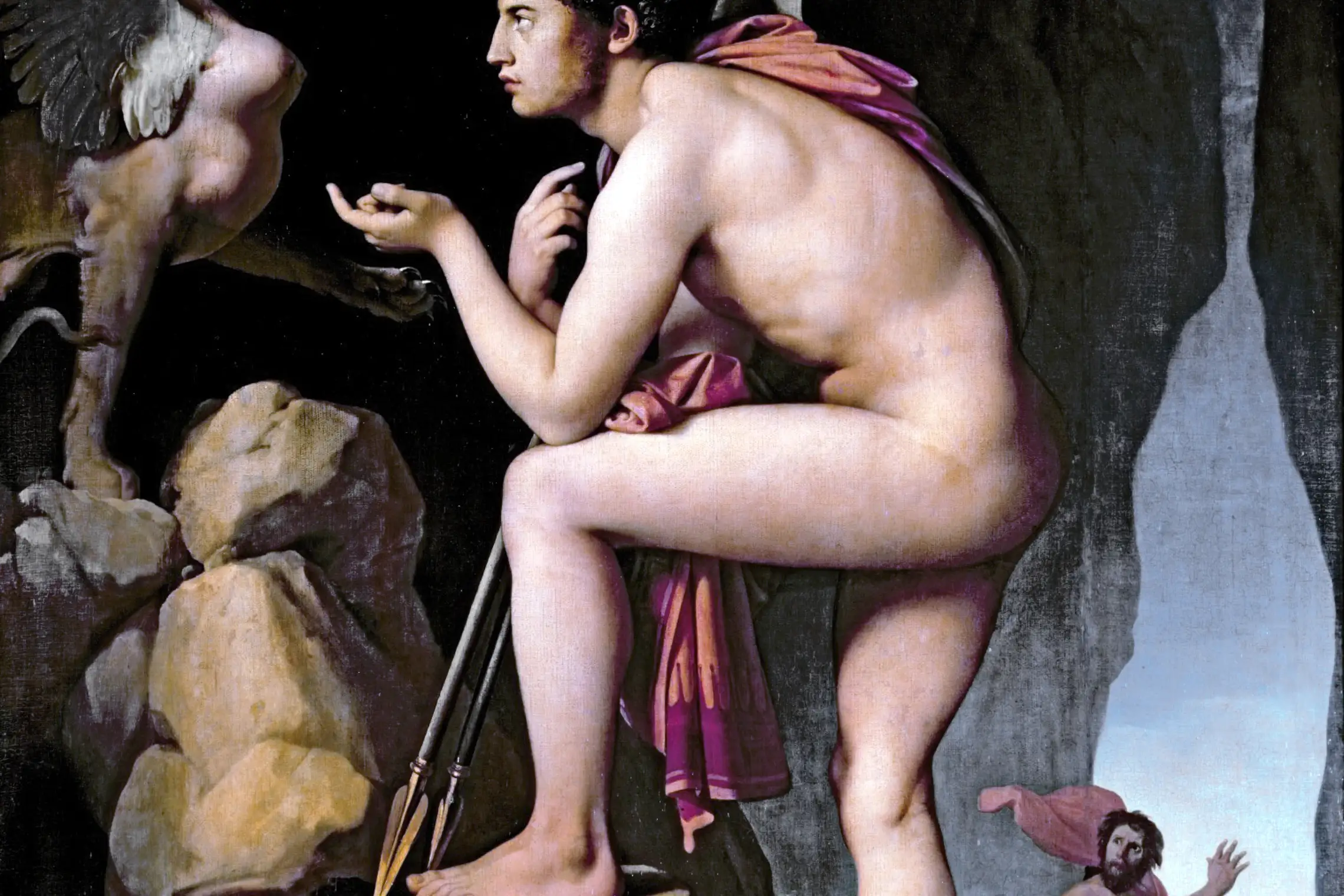
If, instead of bearing the stamp of a vice, it represents one of the great virtues of humanity, one of its generous qualities, its character softens and becomes beauty. Thus, as individuality becomes richer and more pronounced, it rises to the level of character; as character loses its harshness, it rises to the level of beauty.
Between these two terms, beauty and character, the Greeks leaned towards beauty. They undoubtedly characterized all their gods, but they did so by making them all beautiful. The Florentines followed a different path: they individualized all their figures, but by choosing individuals who were the fortunate incarnation of a character. Finally, the Dutch adhered to pure individuality; they chose nothing; they imitated nature with love, with infinite charm, but style was unknown to them.