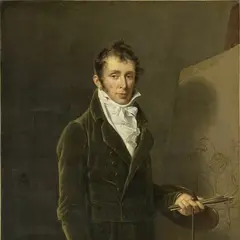
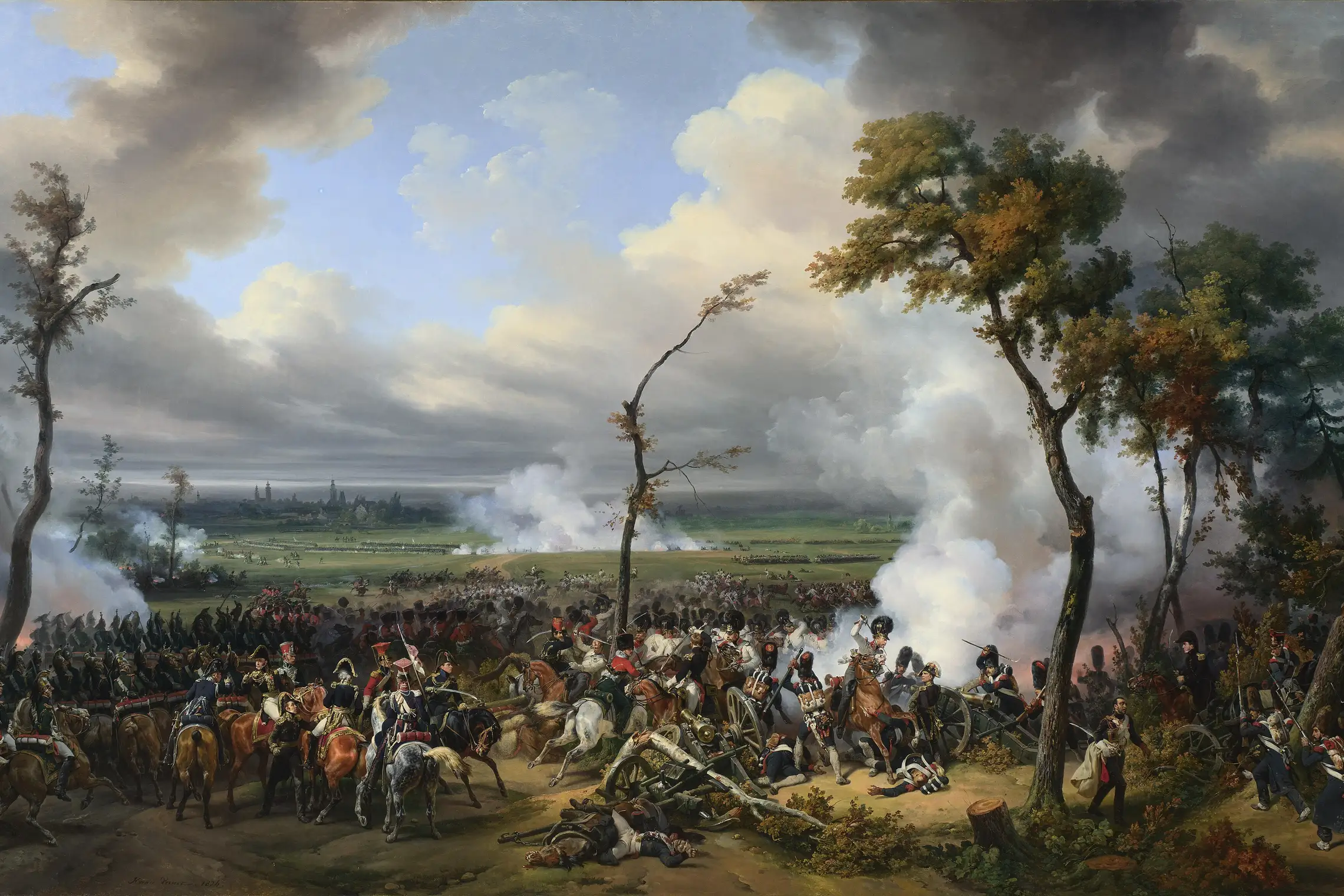
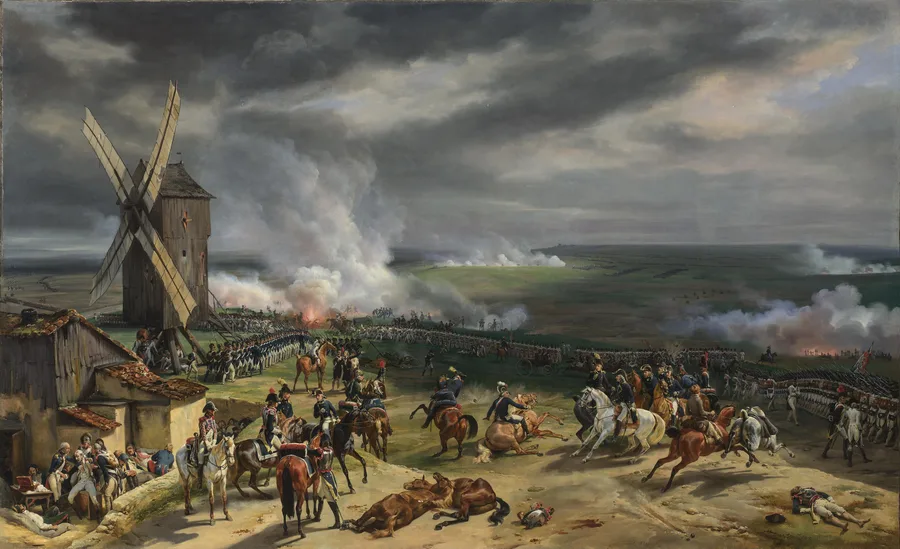
Horace Vernet's destiny, strange for a painter of battles, was to become the very jousting ground where criticism executes its finest passes. Less than a year has passed since his death, and already the clash of human opinions has begun around his barely closed tomb. Some exalt him without appeal, while others condemn him without remission.
A Dynastic Inheritance and Revolutionary Childhood
It is said that everything about the Vernets is encompassed by the word "dynasty." Never has a family presented the phenomenon of such an abundant and continuous flowering of artists. In vain might one evoke the memory of the Restouts, the Mignards, the Parrocels, or the Vanloos; nothing approaches the sheer vitality of the Vernet line. As far back as we can trace their history, we find a painter.
On March 5, 1669—two centuries ago, or nearly so—the parish registers of Avignon mention the baptism of a son of André Vernet, a painter. In 1689, Antoine Vernet was born, Horace's great-great-grandfather, who was a painter of decorative attributes. He had twenty-two children, of whom at least three, if not four, became painters. One of his daughters married a sculptor, and among his grandchildren, they vied for the chisel or the palette. The most distinguished were Callet, a painter of the old Academy, and the sculptor Boizot.
Joseph Vernet, the marine painter and Antoine's second son, fathered three children. One was Carle Vernet, the painter of hunts and battles, who married the daughter of the draftsman Moreau, while his sister married the architect Chalgrin. Carle, in turn, married his daughter Camille to a painter, just as Horace would later marry his own to Paul Delaroche. In this dense nursery, which offers no fewer than twenty artists' names, only one concerns us at this moment: Horace Vernet, the last and the most popular.
Born into the Turmoil of 1789
He was born in the galleries of the Louvre, where the family had been housed for over twenty years, on June 30, 1789. This year is a memorable date in the history of the Vernets. On the following August 24, Carle, having been admitted to the Academy of Painting as an associate member, was received there by his father, Joseph. A few months later, on December 3, the old Joseph passed away beside the cradle he had been able to bless, from which a new illustration for his name was to emerge.