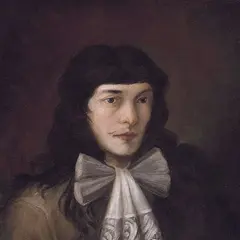
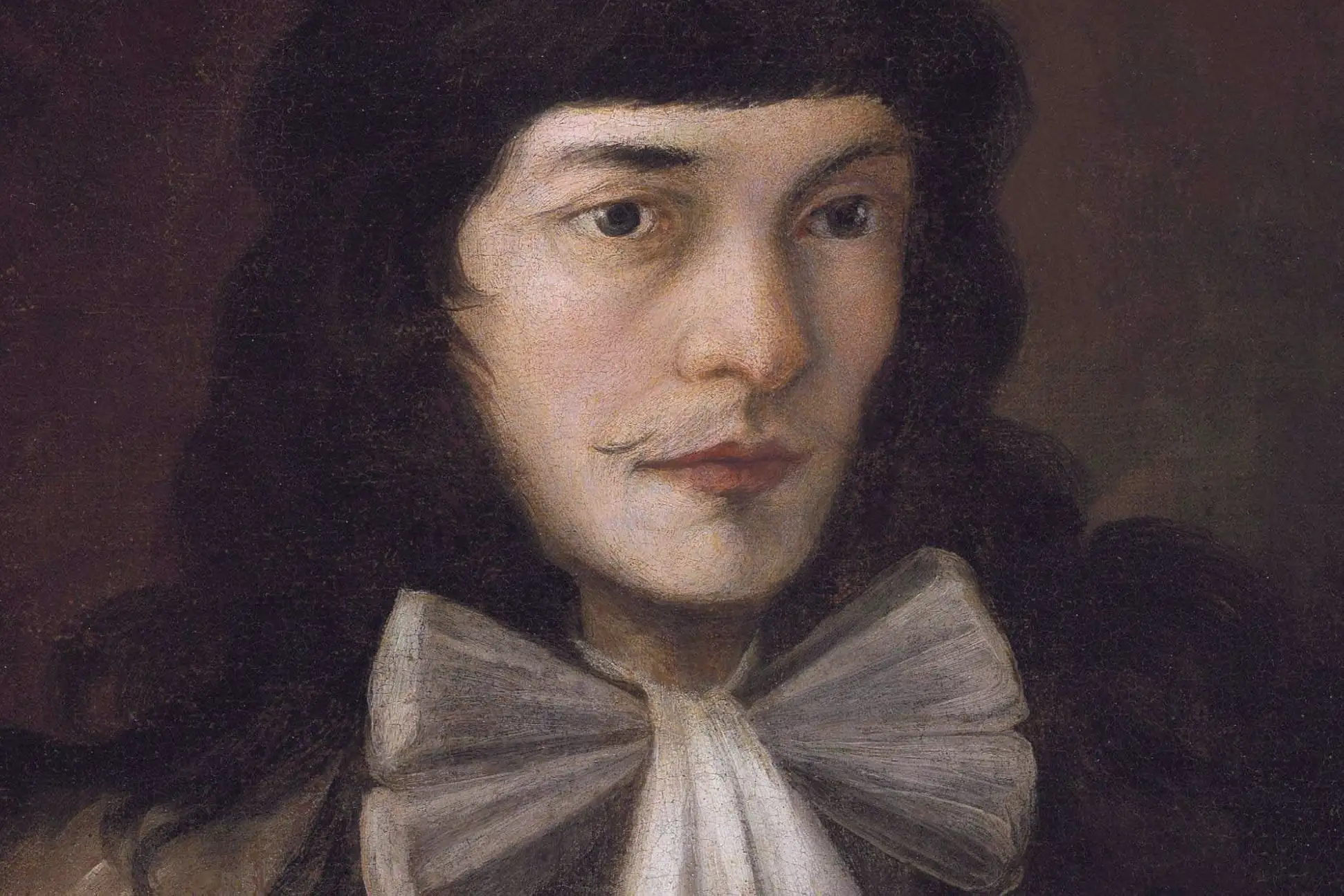
It seems that the attacks certain malevolent or short-sighted minds make against the past serve as a provocation to which that past wishes to respond. For several years now, we have been witnessing some admirable resurrections. We are seeing the re-emergence of misunderstood or forgotten artists and of works that have been buried for centuries. After El Greco, a genius so justly restored to the pedestal of admiration, here is Alessandro Magnasco, a Genoese painter with a strange accent and a temperament blending the picturesque with the mystical.
Although a few rare museums hold his works, and despite a reputation rapidly acquired in an era when art was still adored, Magnasco suffered the fate of artists who have gone out of fashion: he was cast back into the shadows. We shall see that he is worth more than that, and that he possesses, in sum, the spark of genius that allows a body of work to stay afloat on the shifting ocean of the ages, despite the storms and the shipwrecks.
A Life of Contradiction
Magnasco’s beginnings in life were those of the great artists: all manner of miseries and contradictions piled upon him. His father, who was a good painter, died when he was a small child. Later, having been granted a protector, he was sent to learn arithmetic so that he could be employed in commercial accounting. After declaring that he felt no inclination for this science, Magnasco was finally introduced to Filippo Abbiati, a painter then very much in vogue in Milan.
Magnasco quickly became skilled and grew famous for his portraiture. However, a great love for the picturesque life of his time prevented him from remaining in that field, and he devoted himself to witty compositions of small figures that further enhanced his reputation. These depicted young girls doing domestic chores, Camaldolese or Carthusian monks, thieves, tradesmen, or soldiers, all engaged in their primary occupations. But his most beloved subject was the "Synagogue of the Hebrews," of which he made many versions.
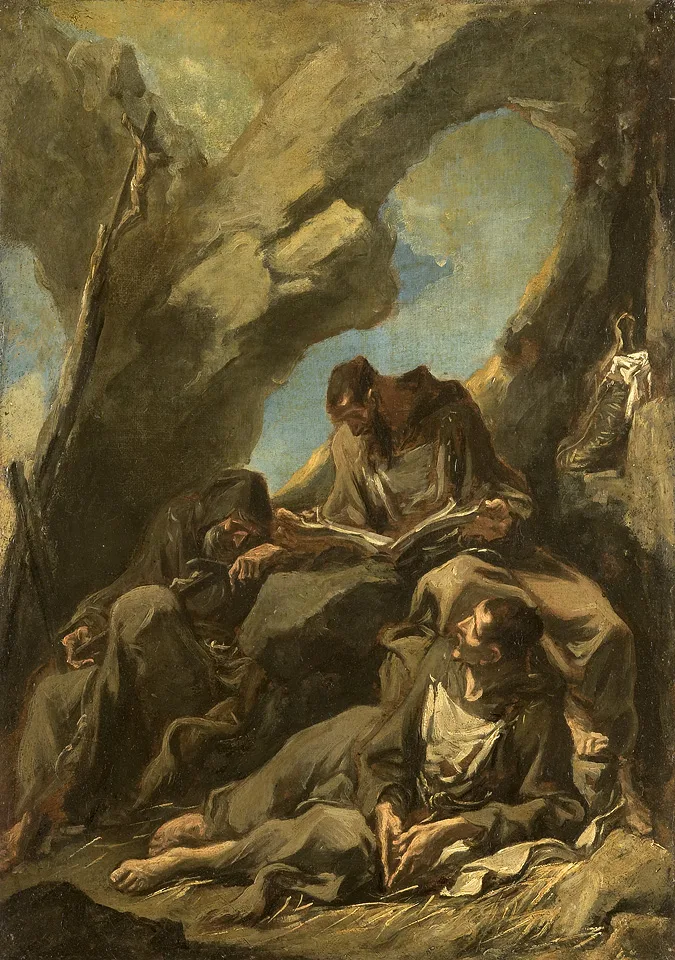
As long as he remained in Milan, he painted rather significant works. In addition to his small easel paintings, these included seven canvases of the Seven Deadly Sins, the Hebrew Preaching in the Synagogue of Livorno, and the Teaching of Christian Doctrine in the Milan Cathedral.
Magnasco's skill was so great that when Emperor Charles VI was passing through Milan on his return from Spain to Austria, he was celebrated with various contraptions and triumphal arches. In the single night before the sovereign's arrival, Magnasco accomplished a task so considerable and so beautiful that it appeared superior to that of his colleagues, who had been working at length, counting on this circumstance to showcase their talents.