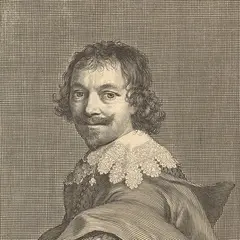
Claude Mellan's portraits of Peiresc and Gassendi are masterpieces to which one gladly returns. Although they date from his Roman period, their style and execution belong to the artist's grand manner, setting the standard for what we can henceforth expect from such a practiced hand.
The Roman Legacy and Parisian Ascent
The portraits of Peiresc and Gassendi are masterpieces to which one loves to return. Although they are still from the Roman period, they belong, in both style and execution, to the artist's great manner; they give the measure of what we can henceforth expect from such a practiced hand. Mellan put all his science into them, and I can also say all his heart. The physiognomic instinct bursts forth with incomparable authority; one feels vibrating with an exquisite ease that subtle sense of life which is the very essence of his genius.
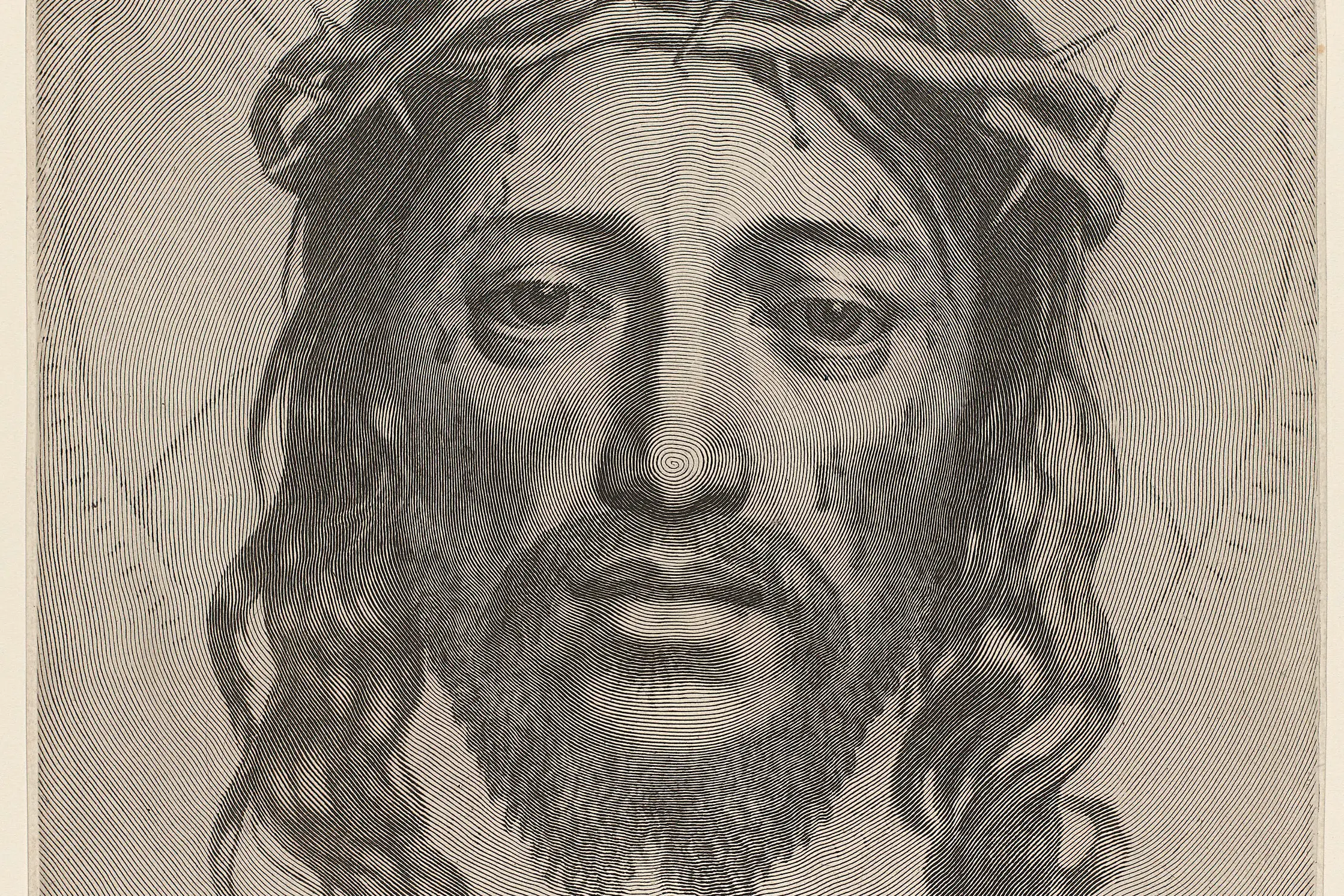
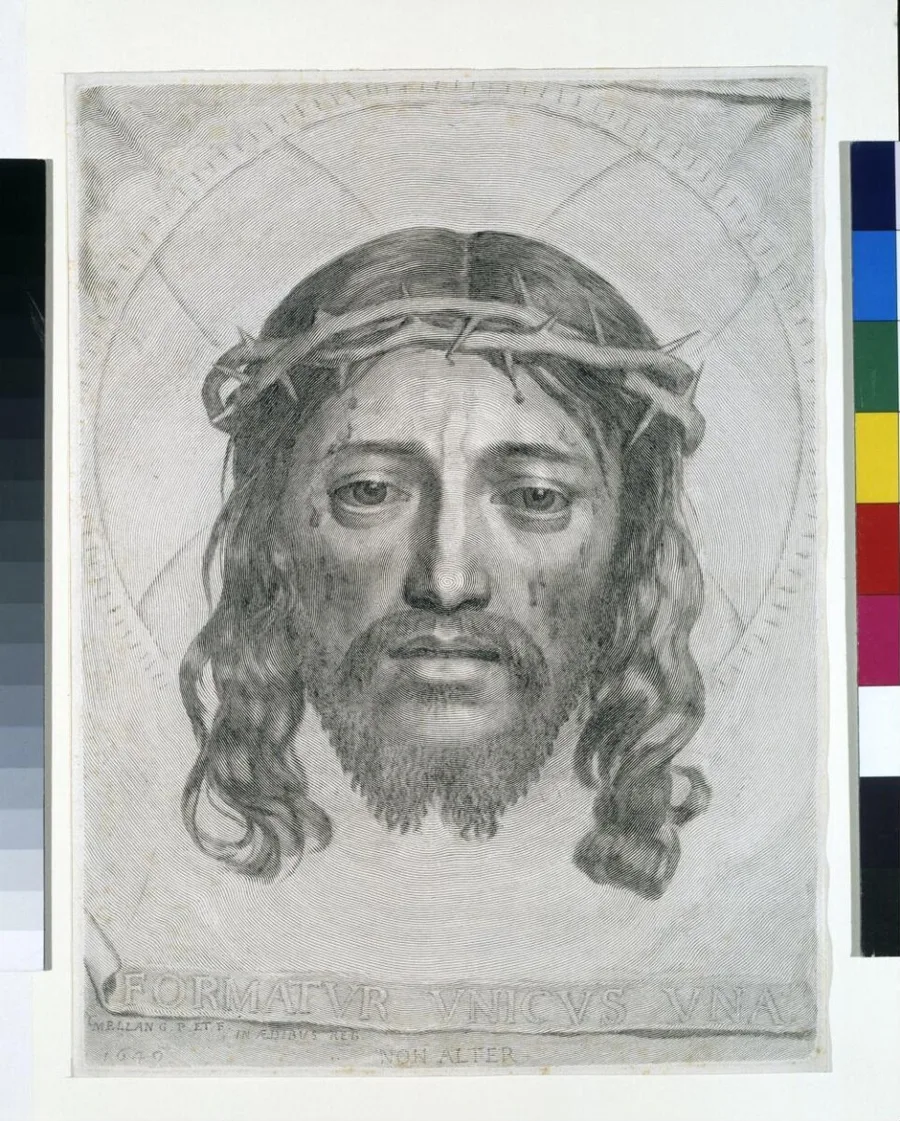
Cross-hatching has entirely disappeared. The copper plate is attacked with unprecedented mastery; the burin strokes seem to flow in their bold, sinuous, and tranquil lines, like the flexible strokes of a pen laden with ink, thinning and spacing out in the highlights, swelling and coming closer together in the shadows, with a freedom and suppleness that border on the miraculous.
The two portraits are treated as pendants. They share the same dimensions, the same pose with the model turned to the left, the same half-bust framing of the figure, the same arrangement of the frame, the same disposition of costume, and the same lighting scheme. There is no affectation in the attire; it is indeed what Gassendi and Peiresc must have worn every day at home—large woolen robes with a great white linen collar, and a skullcap on their heads.
The two physiognomies have that particular character of ruggedness and reflective gravity that one still finds today among the people of Aix. I remember seeing among the residents of the Hôtel Negre-Coste faces that involuntarily made me think of Peiresc and Gassendi. I recognized in them those signs of lineage so well captured and affirmed by Mellan: the broad and open forehead, the large, lively eyes firmly set in the brow bone, the straight and finely drawn nose, and the entire lower part of the head exuding strength and tenacity, with sparse but well-planted beard and hair.
The portrait of Gassendi has a superb presence; the way the figure stands out in full light and is modeled in the atmosphere, light against a light background, is a bold innovation in the history of engraving. Unfortunately, the plate did not hold up well to printing; one must study Mellan's masterpiece in a fresh and light proof, like the one I have before me which belonged to Mariette. It is a marvel to see the velvety brilliance of the eyes, the smile of the mouth, and all that expressive finesse of the modeling which has preserved the accent of a pencil drawing.