
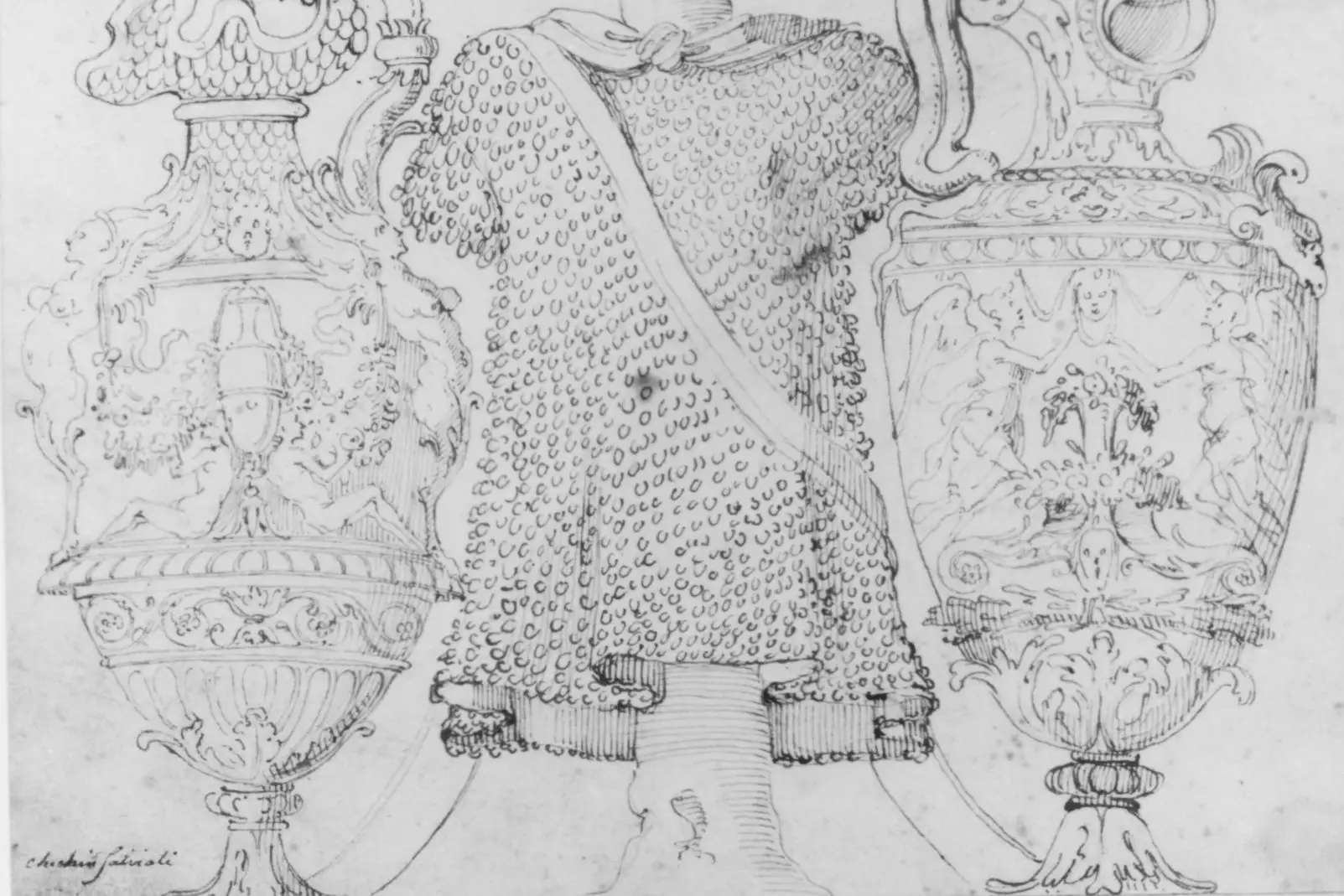
As we have said before, we are not among those who believe that an artist of genius should stubbornly confine himself to a special genre, refusing to apply his pencil to the composition of a vase, a piece of armor, or an item of furniture under the vain pretext that a painter or sculptor's mission is to decorate public buildings, while it is the job of ornamental designers to work for industry.
Art, Utility, and the Lessons of History
Does this mean there is a disagreement between our doctrines and those expounded by the author of the Grammaire des Arts du dessin (Grammar of the Arts of Drawing), which unfolds so brilliantly in these pages? No. Positioned at different vantage points, we judge distinct things. One ascends to the heights to grasp the summits of art. Obliged to summarize, through a bold synthesis, the life-giving principles that lead an artist to immortality, he cannot take into account distances, time, or the thousand details reserved for analysis. The other, imbued with the same principles but situated in a more modest environment, seeks through monuments and ages the evidence of art's upward march toward the heights of the sublime.
We must not forget that no language is absolute in its expressions; the value of words follows the progression of things. When M. Charles Blanc writes, "We must not, therefore, confuse the beautiful with the agreeable; still less must we confuse it with the useful, which is often its greatest enemy," we should see in this phrase a contemporary principle, and not a summary of the teachings of history.
When he says elsewhere, "The useful is the domain of the industrialist; the beautiful is the prerogative of the artist; we admire the creations of art, we consume the products of industry," the writer is still guided by a noble thought. He formulates the laws of the future, considers the necessities of the division of labor, and does not concern himself with the past—for, once again, his book is a grammar and not a history.1
The Unity of Art in Antiquity
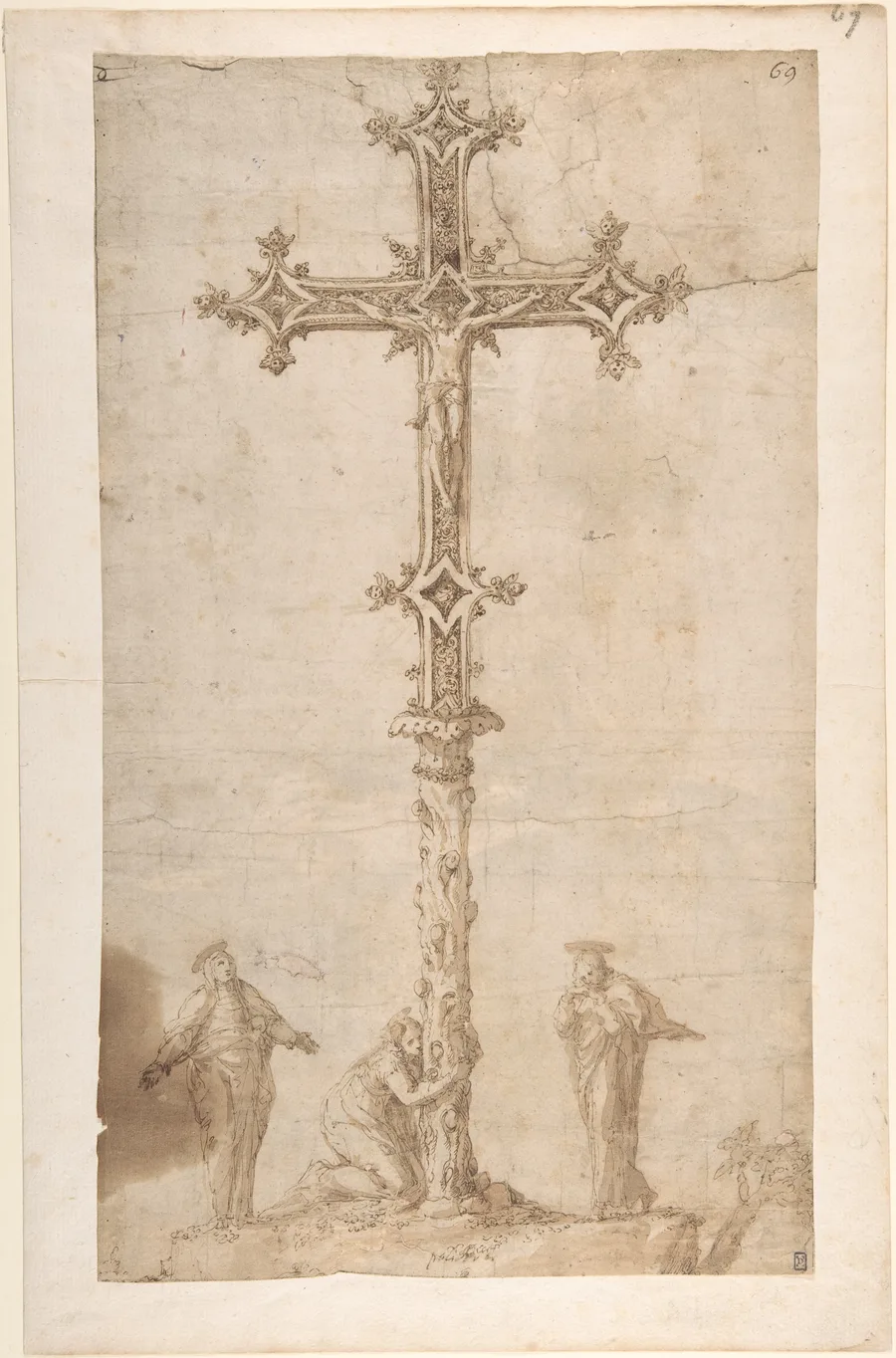
Let us open the Greek and Latin authors, let us browse the reports of our exhibitions of art and industry, and we will understand how the tyranny of facts has modified the expressions of language. Among the ancients, industry as a separate concept does not exist; art is everywhere. While we know of the paintings of Apelles, Polygnotus, and Zeuxis, and the destroyed statues of Arcesilaus, Phidias, and Scymnus through grand descriptions, we also learn that Theophilus had chased Alexander's helmet.2 We find the names of Hermes and Pistias of Athens, who made armor; of Critonius Dassus and Januaris, sculptors of bronze vases.3 We even know to whose hands the precious Corinthian metal was entrusted, and how its price increased through the work of Aptus, Thalamus, and Zoïlus.4