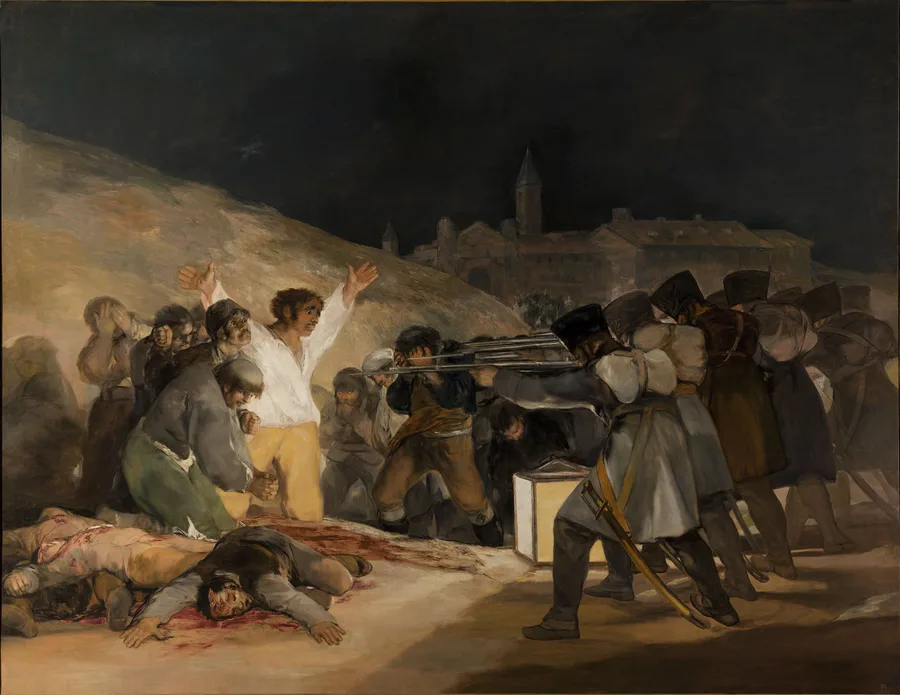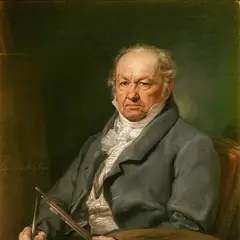
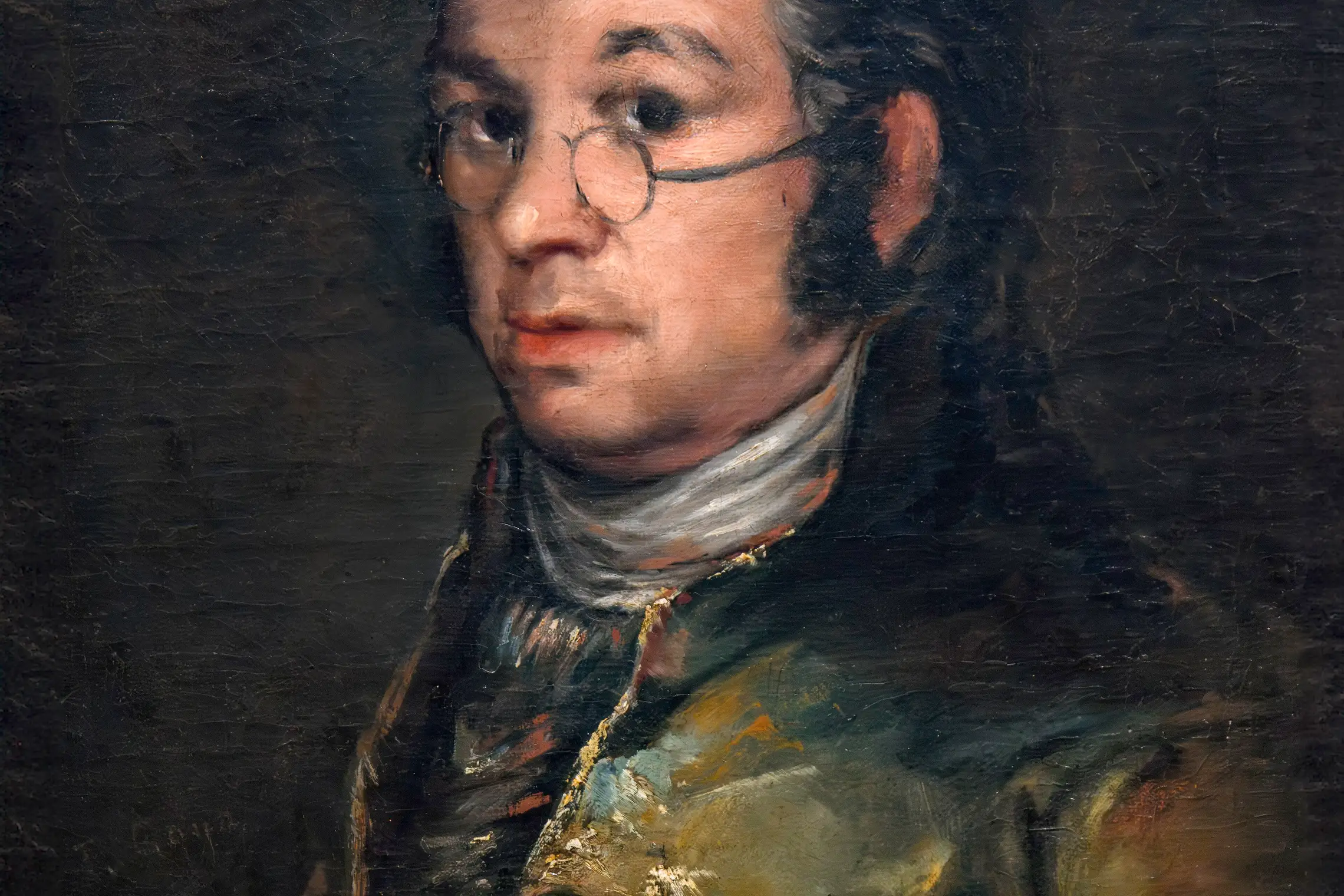
The following curious documents on the life and drawings of Goya have been sent to us from Madrid by our honorable correspondent, Mr. Valentin Carderera. A few notes, added by Mr. Philippe Burty at the request of Mr. Carderera himself, will complete the biography of the Spanish master. As for Goya's drawings and etchings, they are appreciated and touched with a master's hand by the very learned author of this Iconografía española, which stands as a signal for the restoration of art in Spain.
— CHARLES BLANC.
Francisco Goya y Lucientes was born on March 31, 1746,1 in Fuendetodos, a small town in the kingdom of Aragon. The town sits at the foot of severe mountains, a few leagues from Zaragoza, and is bathed by a torrent known in Spain as the Huerba River. His father, who according to one of his biographers was a gilder,2 was certainly in a position of modest means. However, he does not appear to have hindered his son's vocation for painting. In 1758, while still very young, he allowed him to attend classes at the Academy of Drawing of Saint Louis in Zaragoza, under the direction of Don José Luzán.
The Life of a Master
A few years later, we find Goya in Madrid, in the company of the painter Francisco Bayeu y Subías, one of his fellow students from Luzán's studio. However, the school of Raphael Mengs, then in full vogue, did not offer enough to satisfy the already vigorous constitution of the young Aragonese—that is to say, his picturesque temperament. One fine day, he left for Italy, thanks to the sacrifices of his family, and not as a pensioner of the government.
One would hardly suspect, when examining Goya's work, the new landscapes he might have seen in Italy, the masters of full decadence he must have had as comrades, or the ever-youthful masterpieces he could have admired or copied there. No painter has managed to carve a more personal path or to free himself so completely from the influence of his early lessons.
Early Life and Italian Sojourn