
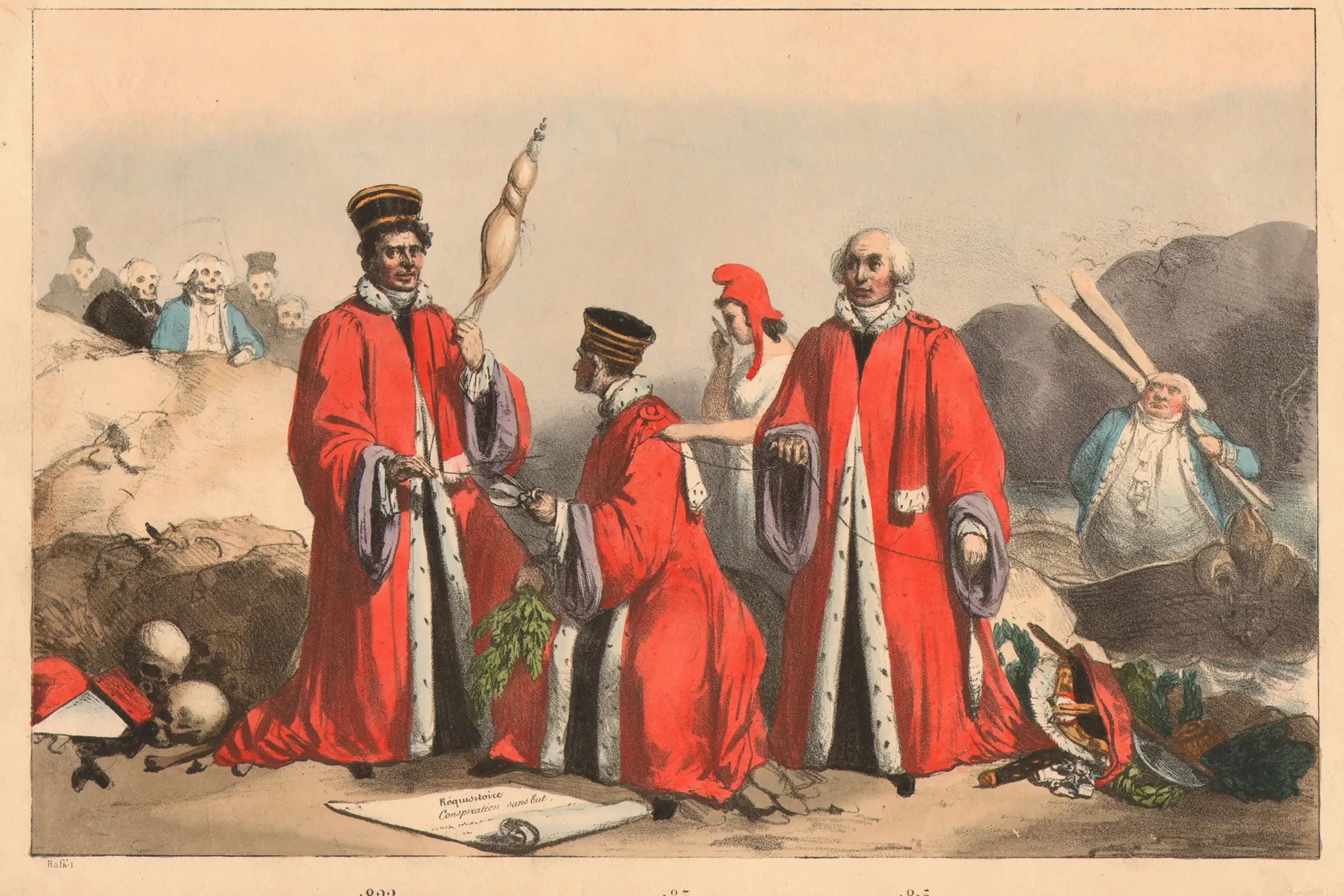

Academic schools, though respected by governments and applauded by the public, have been granted every enviable gift from heaven except one. For all the accumulated treasure of traditions they guard, they are poor in a single, crucial aspect: they lack a sense of history. When an adept of these glorious institutions takes up a pencil or a brush, their hand is stayed by the phantom of an inherited ideal, the rigid dogma of orthodoxy, and the irresistible tyranny of habit, which interpose themselves between the artist and contemporary realities.
If such an artist attempts to reproduce scenes from the street or the dramas of the battlefield, they will inevitably alter their true appearance. They will mix a foreign element into their representation, for the gilded vision of absolute beauty will hide from their eyes that relative beauty which gives modern events—the happenings of today—their precision and their character.
The Academic Blind Spot in French Art
This has been the case in France ever since official schools have existed. During the era when Lebrun and the decorators of Versailles were at work, one must not look for the intimate history of the time in their pompous paintings. It is written more frankly by the minor masters who, without erudition, reminiscence, or bombast, naively painted what they saw.
In the following century, truth is likewise absent from the works of painters who made a great stir, such as Antoine Coypel, Lemoine, or Carle Vanloo. Instead, it is found in Watteau, in Chardin, in the etchers, and in the humble creators of vignettes. If, later, David acted as a historian, it was on the day when, unfaithful to his ideal, he painted from life—without a thought for ancient bas-reliefs—the expiring Marat in his blood-stained bath.
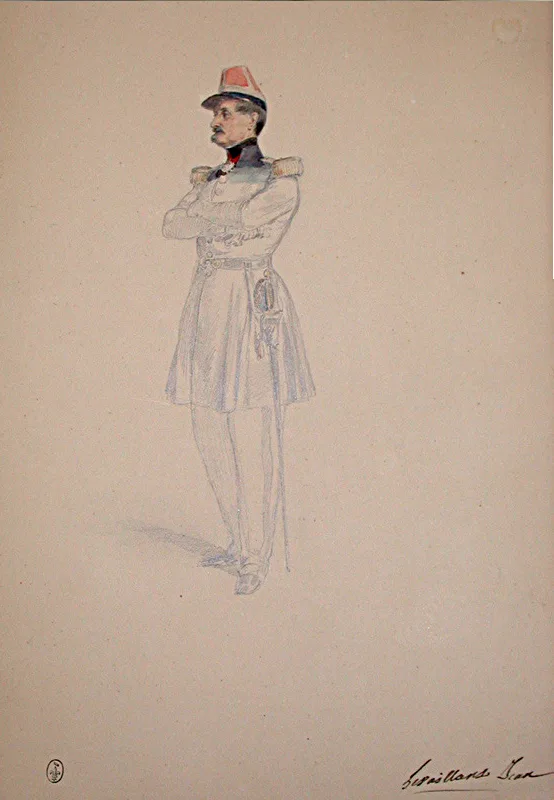
But David later seemed to wish to be forgiven for this concession to the emotions of the moment. Did he not write to Gros, who had just painted Aboukir, Eylau, and The Pyramids, urging him to renounce "futile subjects" and "paintings of circumstance"? Gros only half-heeded this severe advice. Yet this master, so well-endowed with the gifts of observation and portraiture, was far from always being historical in his imperial battles; on the contrary, he more than once mingled the cold silhouette of the statue with living forms.
Regarding the painters of today, the observation is even more evident. When the curious of the future wish to learn the history of our time, they will not seek their evidence in the works of academicians. They will find it in those of more modest artists who, without emphasis or falsehood, have recounted with the tip of a pencil or pen the things we have seen. These artists, perhaps believing they were merely chronicling the moment, have very often written its history.