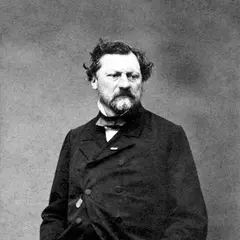

The author first encountered the artist Alexandre Bida in August 1868, at a small mountain pass called La Faucille, where a shared, silent admiration for a splendid sunrise over Mont-Blanc forged an immediate connection. This meeting, born of a mutual friend and a shared need for healing, quickly blossomed into a profound friendship, revealing the complex and deeply sensitive nature of a man whose life was a tapestry of art, faith, and extensive travel.
An Unforgettable Encounter
I met Bida in August of 1868 at La Faucille, a small pass equipped with an inn and a few cottages, which opens up opposite Mont-Blanc on the other side of Lake Geneva. It was there that we contemplated together, in a religious and silent emotion, the most splendid sunrise I have ever been privileged to see. I had arrived the previous evening to join a dear friend and found her there with the great artist; a similar suffering had brought them both to the hydrotherapy establishment of Divonne, located below La Faucille.
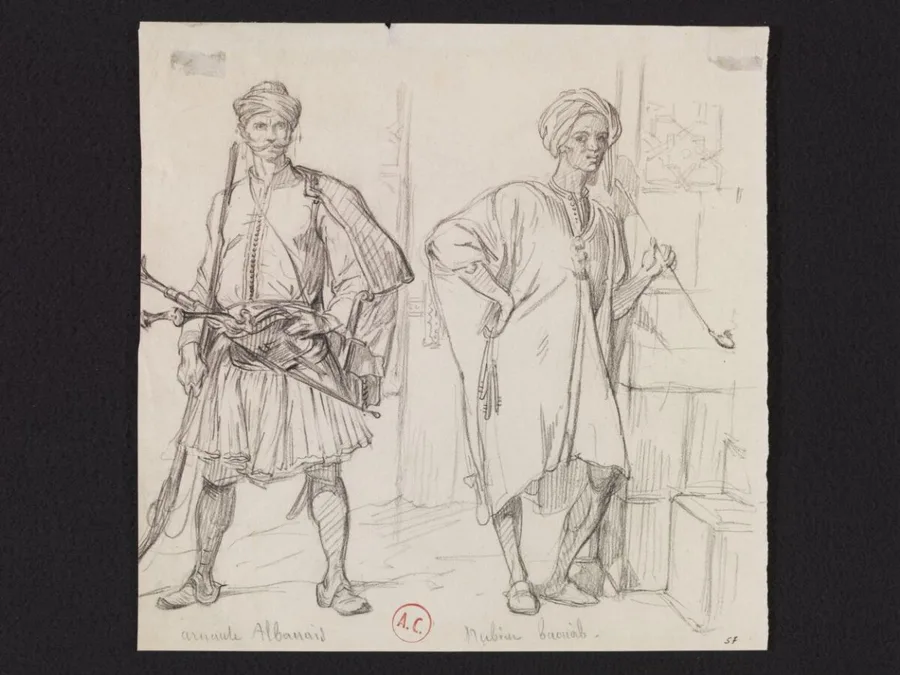
I held the liveliest admiration for the drawings that Bida had been sending to our exhibitions for a dozen years, especially for his scenes of the Orient. These works had revealed to us such a powerful personality, such a rare fidelity to nature, and at the same time, such a penetrating interpretation, so much style, simplicity, nobility, and grandeur.
On the evening of that same day, which had begun so solemnly, one of those minor incidents that sometimes mark themselves in unforgettable strokes upon one's inner life brought us closer than long acquaintance might have done. We were strolling along the narrow road that overlooks the emerald of the Alpine valleys on one side and the immense azure of the lake on the other. We were discussing art and literature when a word reminded us both of one of the most delightful fragments by André Chénier: "Toujours ce souvenir m'attendrit et me touche..."
We began to recite it at the same moment; we looked at each other, smiling, and clasped hands: we were friends. To love those verses in the same way and to find in them the same symbolic meaning that had struck us both at once, there had to be in our souls certain chords, at least—and among the most intimate and profound—that vibrated in unison. Such unforeseen encounters can fuse hearts in an instant. I owe another cherished friendship to a similar surprise over a word from Pascal, which, when spoken simultaneously, had filled the eyes of both speakers with tears.