
For C. M.
The work of Émile Gallé is a vast temple of profound mysteries, which no one can explore without respect and a sense of awe. Grace and beauty are but its external adornments; the flame of the spirit glows deep within the sanctuary. When you consider the monument in its entirety with the will to penetrate its meaning, it appears as a homage to creation and truth, inspired by the joy of existing, dreaming, and loving. It is the expressive manifestation of a sensibility and an intelligence observing the spectacle of nature and life. While the sincerity of the artist and poet flows tenderly through it, one also discovers the elements of a regenerated aesthetic and the system of a philosophical doctrine. The conception bears the date of a specific time and the mark of a country; it partakes in all the agitations of modern anxiety and curiosity.
A Modern Master's Character and Context
Émile Gallé has often been compared to Bernard Palissy, and I concede that more than one common trait can be found between the two masters: a devotion to their homeland, a passion for justice, and a love of art that merges with a love of nature, extending even to a singular ability to express themselves as both writers and master craftsmen. That said, it is important to note the differences, which perhaps stem less from the men themselves than from the eras in which they lived. Without diminishing the author of the rustiques figulines (rustic earthenware), Émile Gallé applied his craft to more varied materials; his art is more complex and endowed with greater intellectuality. What is empiricism in one becomes scientific certainty in the other.
Gallé was destined to play a different role and exert a different influence. We must salute in him the liberator who emancipated the decoration of his time, the promoter of the renaissance through which the persistent vitality of our taste was affirmed at the decline of the 19th century. He was an enthusiastic, patient, and determined initiator who left nothing to chance and whose invention was disciplined by slowly matured rules.
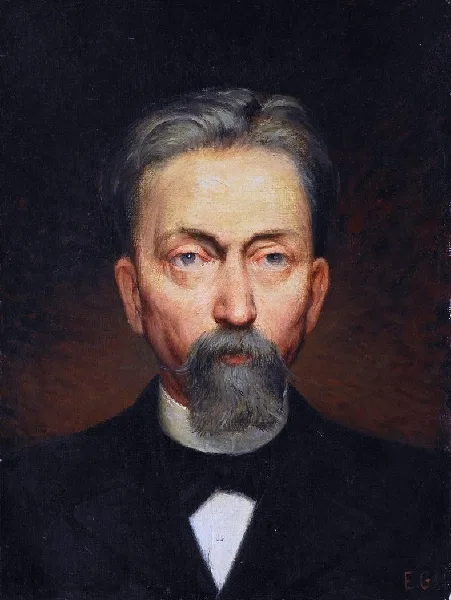
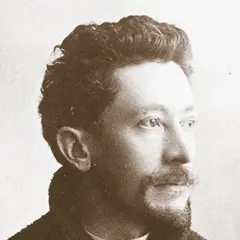
An inner life of unparalleled activity attests to itself in him—the life of a radiant intelligence, eminently sensitive to the value of beauty. Émile Gallé passionately savored all manifestations of beauty in their most different forms. His culture was miraculously rich. Throughout his life, he communed with the minds that are the pride and consolation of humanity; he vibrated in unison with the poets; he penetrated the secrets of heroic composers; he rose to examine the gravest problems of destiny.
Everything related to the evolution of humanity fascinated him, and one would be mistaken to imagine him prudently confined to the safe retreat of an ivory tower. He wanted to hear the noises from outside and be intimately involved in the history of his time. In every circumstance, he sought to act as a patriot and a citizen. Who, he thought, will guide the masses if the elite shirks its duty? In troubled times when the notion of equity goes astray and is lost, the salvation of his fellow man matters more to him than his own; his pity is stirred. He makes demands in the name of his fraternal ideal; he speaks, he writes, he moves us. We admire him all the more for having preferred the harshness of struggle, where the ardor of a generous faith and a profound conviction was spent, to selfish indifference.