
The Unspeakable Fire
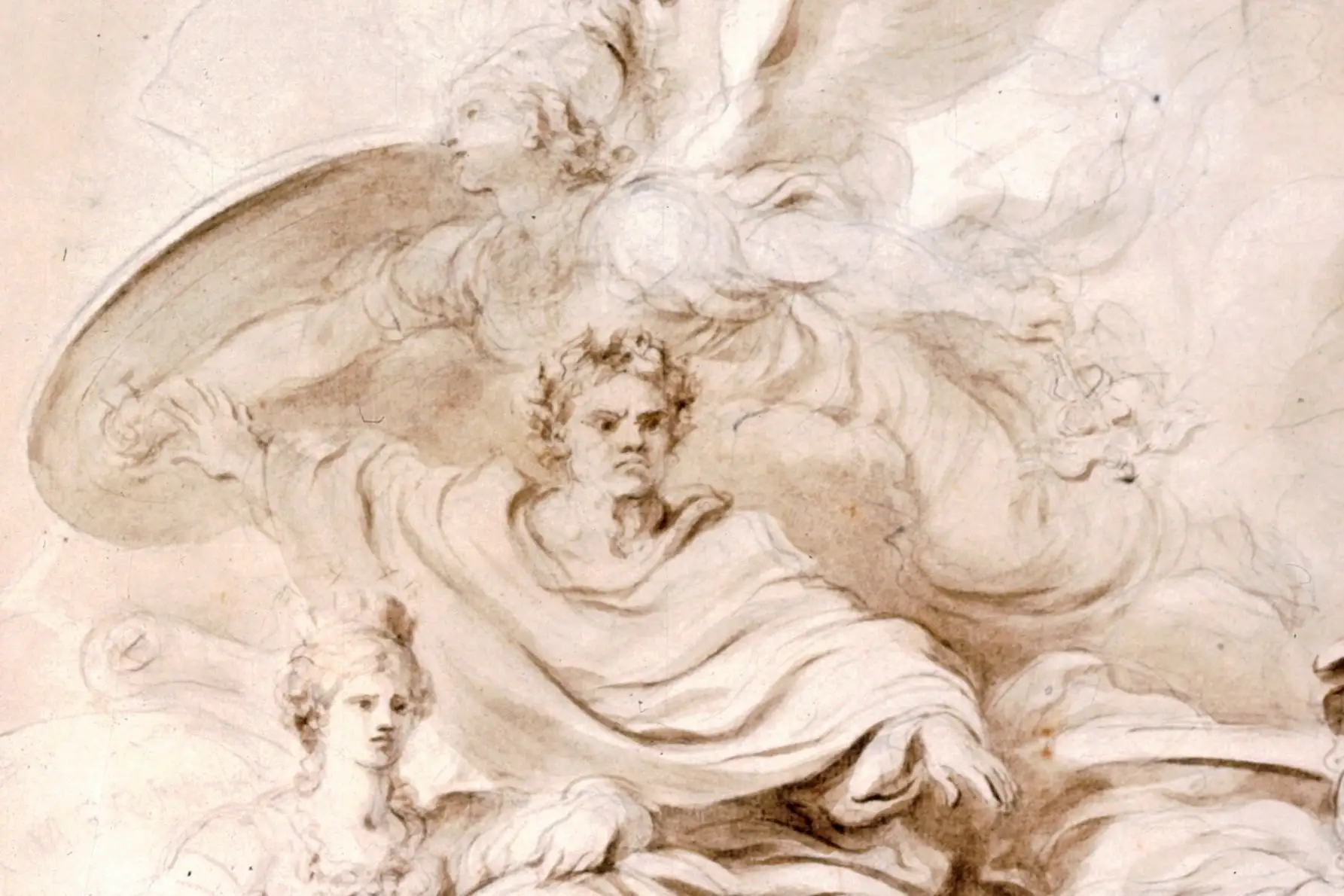
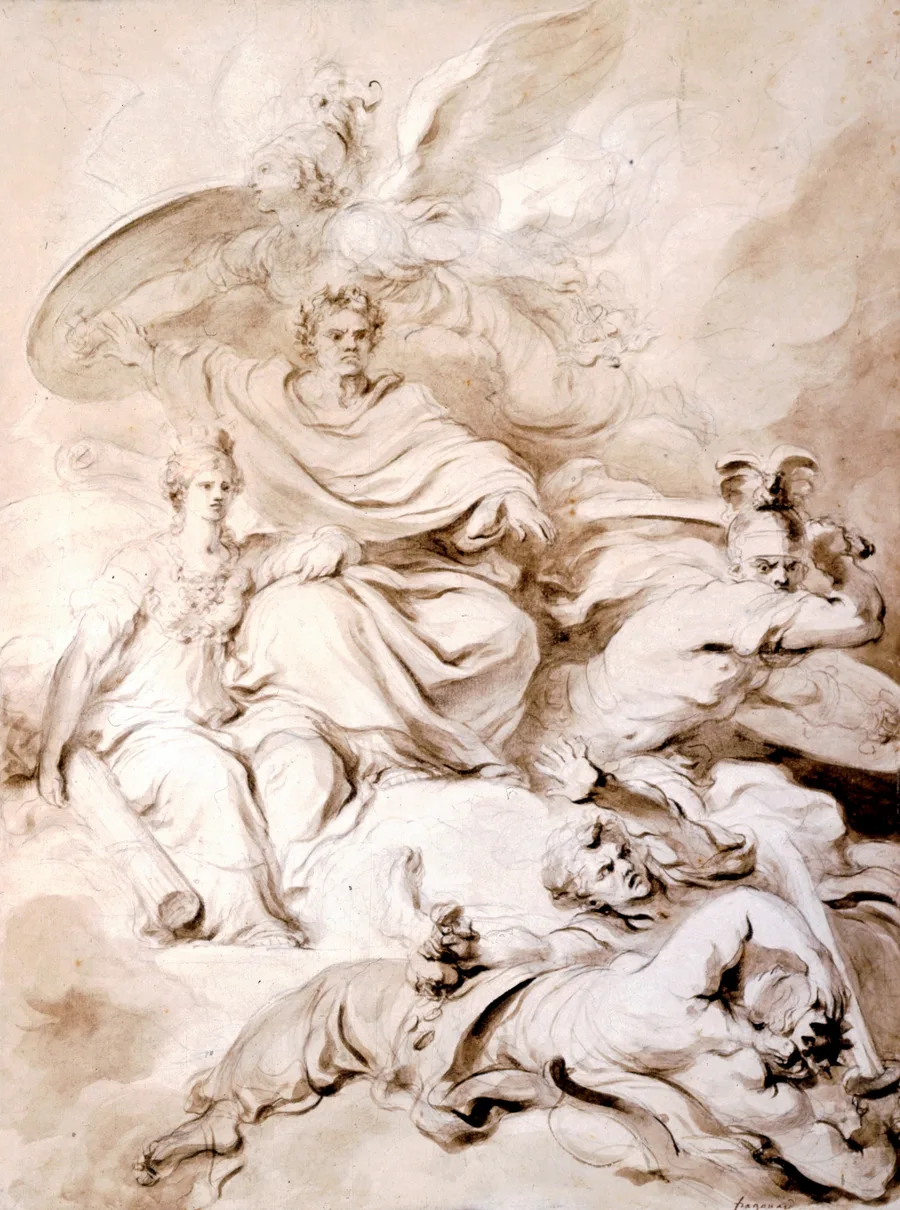
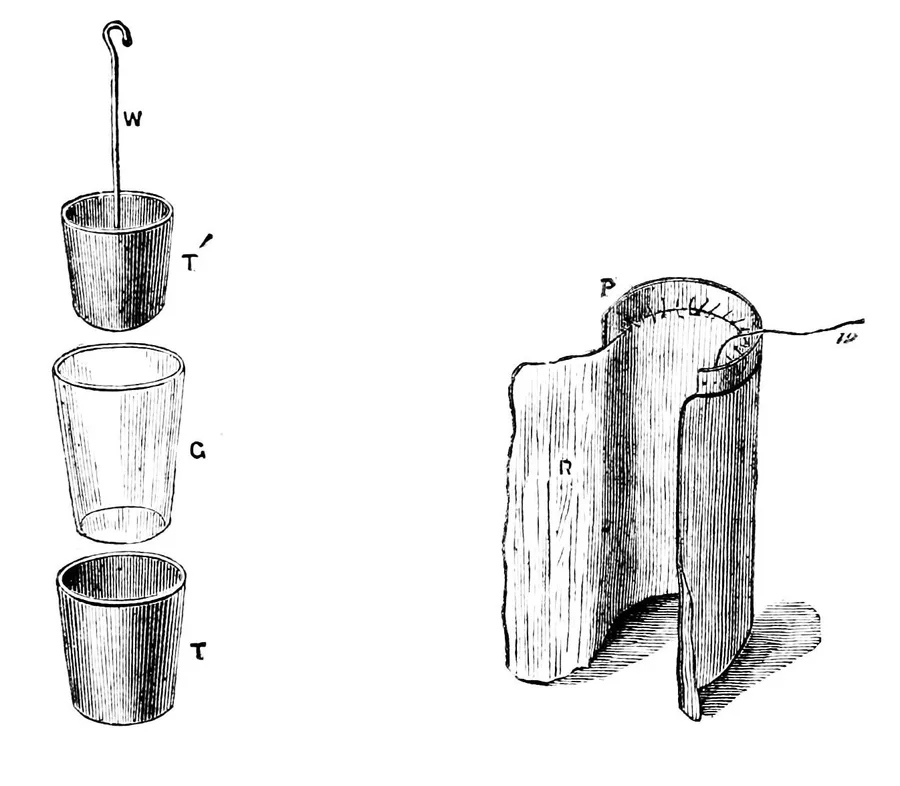
For millennia, it was the voice of the gods, a terrifying, instantaneous judgment from the heavens. A bolt of lightning was an act of divine power, unpredictable and absolute, capable of splintering the tallest oak, igniting a church spire, or stopping a human heart. It was the sublime terror of nature, a force against which there was no appeal and no defense. Then, in the mid-18th century, something changed. Reason, the guiding spirit of the age, began to dissect the phenomenon. The divine spark was brought to earth, captured in Leyden jars, and studied not as celestial wrath, but as a fluid, a force, a tractable element of the physical world: electricity.
The figure who most famously bridged this chasm between ancient terror and modern science was, of course, Benjamin Franklin. His 1752 kite experiment, whether it happened exactly as legend dictates or not, was a profound cultural event. It was an act of supreme intellectual confidence, demonstrating that the fire of the heavens was identical to the static crackle generated by a friction machine in a London parlour. More importantly, it offered a promise of control. With the invention of the lightning rod, humanity was no longer a passive victim of the storm. A simple metal spike could now silently, safely draw the ‘celestial fire’ down and guide it into the earth. It was one of the Enlightenment’s most potent symbols: a direct application of experimental science to serve and protect the public.
A Point of Contention
Yet this triumph of reason soon gave way to a remarkably fierce and public argument. If a metal rod could protect a building, what was the best shape for that rod? Franklin advocated for a sharply pointed conductor, arguing that it would not only conduct a direct strike but also silently discharge storm clouds from a distance, potentially preventing a strike altogether. This theory, however, was not universally accepted. In Britain, a competing faction emerged, championing blunt or knobbed conductors. Their advocate, Benjamin Wilson, argued that a sharp point might actually attract a strike that would otherwise have passed by.
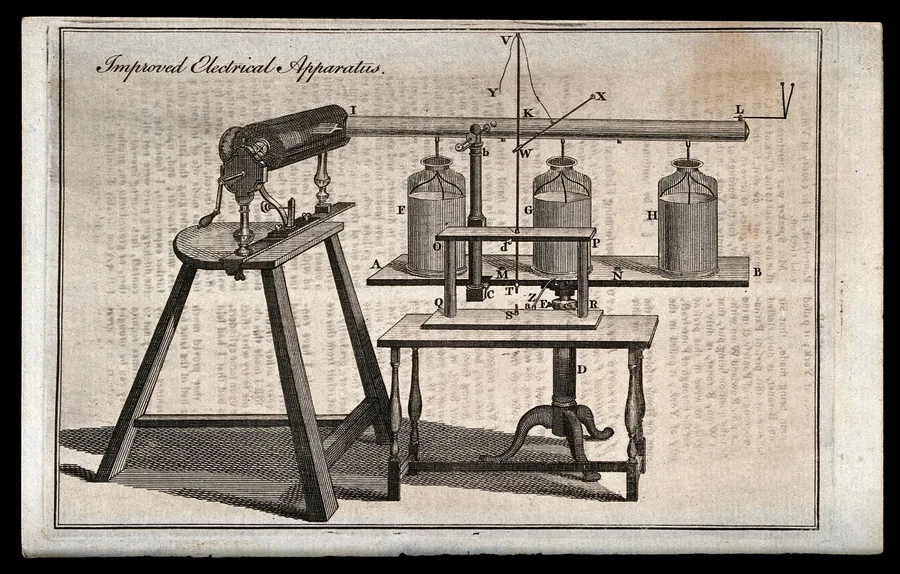
This was no mere academic squabble. The debate raged in the halls of the Royal Society, in pamphlets, and in public correspondence. It was fueled by national rivalries—the American upstart Franklin versus the British scientific establishment—and even political allegiance, with supporters of the American cause favouring pointed ‘Franklinist’ rods. At stake was not just scientific truth but national prestige and, most urgently, the safety of public buildings and the Royal Navy’s ships. Into this intellectual fray stepped Charles Mahon, Viscount and later 3rd Earl Stanhope, a brilliant and eccentric aristocrat, inventor, and committed Fellow of the Royal Society. His 1779 book, Principles of Electricity, stands as a monument to this moment, a decisive intervention in the ‘conductor controversy’.
The Principles of Safety
The title page of Stanhope’s work, printed in London for P. Elmsly, is a declaration of intent. It promises not just theory but utility: “Divers new Theorems and Experiments, TOGETHER WITH An ANALYSIS Of the Applied Substance of high and pointed Conductors.” Here, Stanhope signals his allegiance. He is entering the debate firmly on the side of Franklin and pointed conductors. He is not merely speculating; he has conducted experiments, developed theorems, and analyzed the very material of the proposed solution.
This was the Enlightenment ideal in practice. Observation and experimentation were the paths to truth, and the truth, once found, was to be applied for the common good. Stanhope goes further, promising an explanation of a novel “artificial Subterranean MEthod” for grounding the electrical charge. This addressed a critical aspect of the system: ensuring the immense energy of a lightning strike was safely dissipated. His treatise was a comprehensive argument, marshalling evidence to settle a debate that had profound implications for public architecture and safety. The fact that Stanhope, a leading British scientist, so forcefully endorsed the theory of his American counterpart speaks volumes about the international ‘Republic of Letters’ that defined the era. Science, at its best, aimed to transcend national politics.
An Electric Republic of Letters
The ultimate proof of this intellectual alliance is found in the history of Stanhope's book itself. A copy was presented by the author to Benjamin Franklin, the very man whose theories he was defending. It was a gesture of respect and intellectual solidarity, an artifact of a shared mission to understand and harness the natural world. Stanhope, a peer of the realm, and Franklin, the printer-turned-diplomat, were united by their commitment to the scientific method. They were corresponding members of a community defined not by birth or nationality, but by curiosity and evidence.
Stanhope’s Principles of Electricity did not end the debate overnight, but it was a powerful and influential contribution that helped solidify the scientific consensus around pointed conductors. Today, the controversy is a footnote in the history of physics. But the book and the debate it addressed reveal something essential about the cultural project of the Enlightenment. They show a society grappling with the power of science, transforming it from a private philosophical pursuit into a public utility. The arguments over pointed versus blunt conductors were early, vital examples of science policy being forged in the public square, with experts weighing in on matters of immediate and life-saving importance.
The quiet authority of Stanhope's title page, with its promise of new theorems and practical methods, is a world away from the divine terror of the storm. It is the voice of an age convinced of its own power to observe, understand, and ultimately redesign its relationship with nature. The lightning rod did more than protect buildings; it demonstrated that humanity need not live in fear of the elemental world, but could instead meet it with reason, ingenuity, and a well-grounded length of pointed steel.
Seen at auction: Sotheby's