
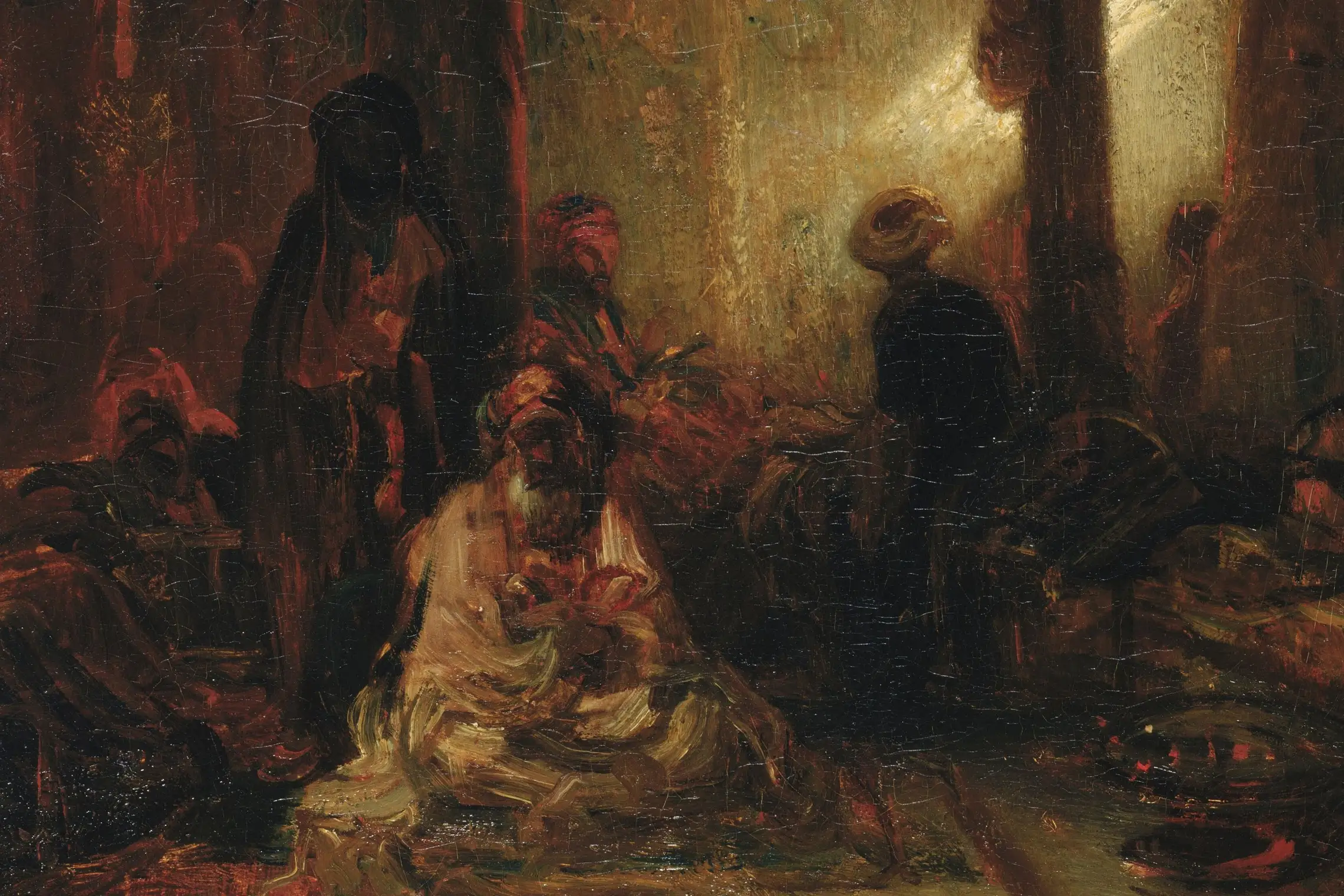

We hold a deep respect for those faithful minds who, in an age where convictions are so fleeting, remain resolutely attached to their first admirations, preserving a fervent worship for the gods of their youth. But not everyone is granted the ability to traverse life in a single dream, to remain, amidst so many changing things, a person of a single passion, the hero of a single love. Many are seized by a fatal restlessness that pushes them to constantly examine themselves and to periodically review their past sympathies and enthusiasms. Let us not pity them, for they hunger for justice. If, in this perpetual quest for truth, they experience bitter disappointments upon realizing they were mistaken, they also find great joy when they discover that their twenty-year-old eyes saw correctly, and that experience has come to ratify the instinctive judgments of their early years.
As for us, however chancy the result may be, we love these internal deliberations, these moments when conscience reflects upon itself. We have already subjected many illustrious masters—or rather, the opinions we had formed of them—to this kind of examination. This study, which has allowed us to enter more deeply into the intimacy of their genius, has never been without profit, even when it has stripped us of a few illusions. It is a similar task that we wish to undertake today for Decamps. We want, casting aside all school-based prejudice, to form an exact account of the value of this complex artist, and to know to what extent our sympathies went astray in once granting this vigorous painter a considerable place in the history of the art of our time.
The question has not ceased to be relevant; moreover, it has just been brought back to the table by a few critics who, having entered the arena after us, bring new tendencies and different aims. The generation to which we belong had shown itself to be entirely favorable to Decamps: the illustrious master himself acknowledged in 1854 that criticism had always treated him "like a spoiled child." He could have changed his tune the very next year, for it is from the Universal Exposition that we can date the first attempt at opposition to this once so-admired talent. Since then, things have gone further.
Debated by one from the point of view of the ideal, by another from the point of view of reality, the master we have loved, and still love, is thus caught between two fires. And although he maintains a good countenance under these multiplied assaults, although the Hôtel Drouot auction house remains unshakeable in the high price of its bids, it is all too evident that a reaction against Decamps is beginning to form. This is all the more reason to leisurely examine the work he left behind, supplementing this examination here and there with the information we have been able to gather about his life.
The man, moreover, is of a stature to withstand attentive inquiry; he deserves the honors of a full-length portrait.
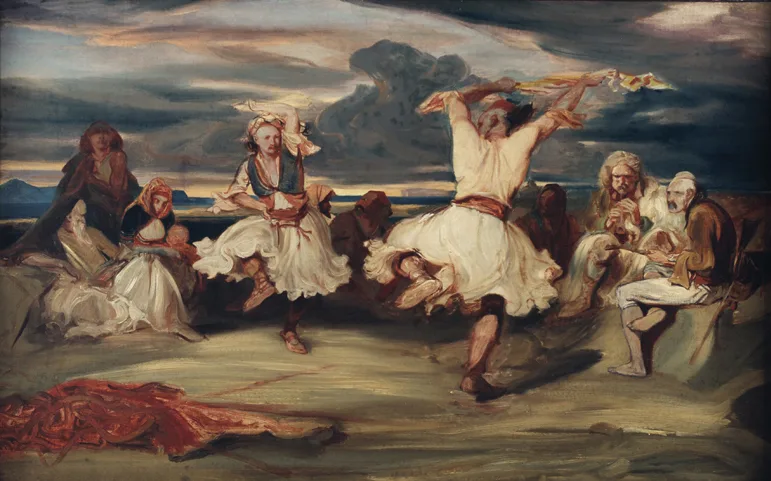
We have been preceded in this study by more than one intelligent critic, and by the most considerable of all: Decamps himself. In a letter that has been cited many times and which remains one of the principal elements of his biography, the artist, then ill and discouraged, painted himself in a few vigorous strokes of the pen, with the pride of a man who feels his worth, and without hiding any of the sadness left in his heart by his poorly satisfied ambitions. In this famous letter, which first appeared in the Mémoires d'un Bourgeois de Paris, one will find the best portrait ever made of Decamps.
Our readers are familiar with these pages, at once naive and bitter, and there is no need to reproduce them. But we will borrow from this autobiography more than once, while taking the liberty of completing, and perhaps correcting, the artist's sometimes overly summary recollections with our own information.1 One can guess in advance that the most significant things we will say about Decamps will have been dictated to us by Decamps himself.