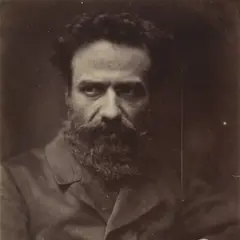
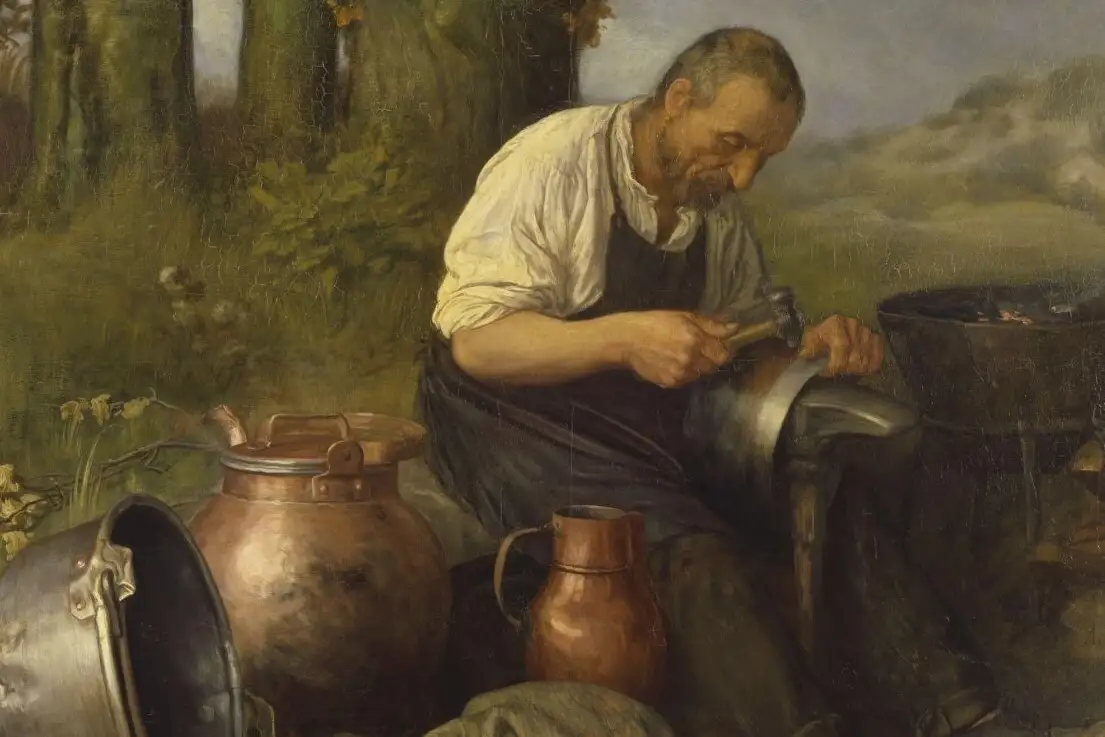
Endowed with an essentially original temperament, a fanatic for his art, and keenly drawn to the picturesque side of things, M. Legros was bound to be captivated by a system that preserves the artist's full individuality. Far from stifling his impulses under the thousand annoyances of routine, this method places him before nature itself and forces him to draw inspiration from its grand spectacles. He therefore followed M. Lecoq's theories as a man already convinced, studying the living world with enthusiasm. From his incessant engagement with it, he derived an accuracy of observation and a truthfulness of execution that were, from the outset, the distinctive characteristics of his talent.
The Method of Memory and Observation
A most curious and practical method is that of M. Lecoq de Boisbaudran. He selects his pupils from the benches of primary schools and, to develop their accuracy of eye, he has them practice repeating metric measurements from memory that have been previously drawn on a blackboard. Once they are accustomed to retaining the image of an absent object, he does not confine them to an insipid and monotonous studio. He does not seat them before a model who, though living, is enervated by an interminable pose and reduced, in a way, to the state of a mummy.
Instead, he takes them out into the open air, into the light of the sky and the heart of the countryside. There, he shows them peasants at work or animals in their freedom. Taking his models on the spot, he makes some of them fight, or forces others, whom he ties securely, to free themselves. In short, he presents nature to his students in its most striking forms. Then, upon returning from these peripatetic lessons, he requires from them a painted or drawn account of what struck them most.
This nature, which he offers for their observation, is indeed ever-changing, and the artist cannot fix its fleeting effects at the very moment they occur. Hence, there is a necessity to remember, to educate one's pictorial memory. Such is the method of M. Lecoq de Boisbaudran—a method entirely of initiative and impression, which has formed masters, among them M. Alphonse Legros, our subject.
Painting with Austere Truth
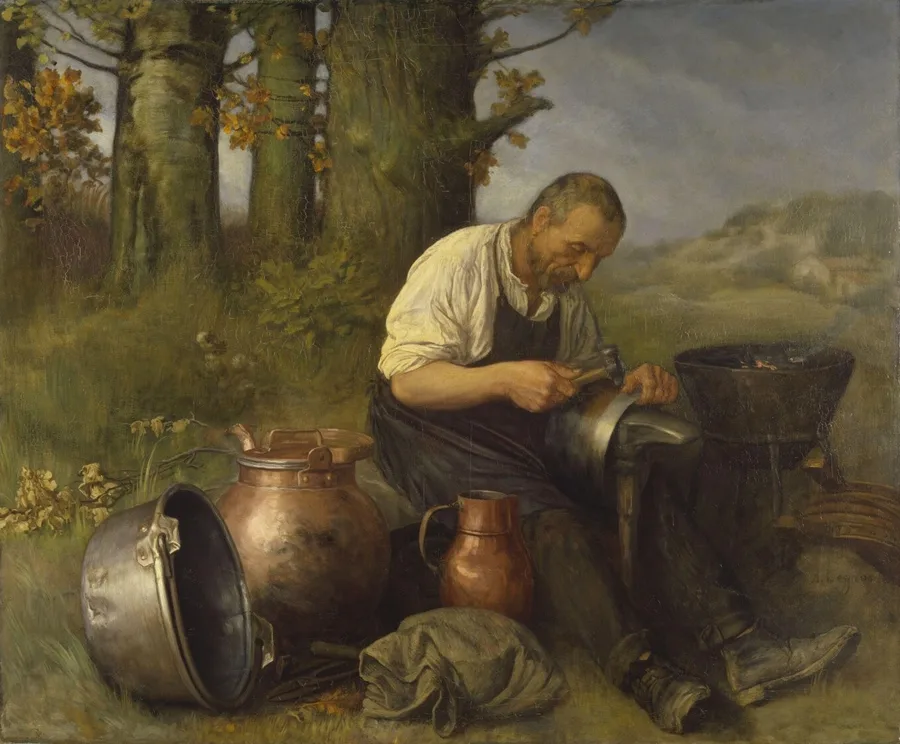
Accustomed to reading, as it were, in the great book of creation, M. Legros extracts its spirit, its thought. Then, once imbued with this thought, he brings it forth with astonishing precision. Consequently, he never gets lost in the details of a painting. Indifferent to technical contrivances and disdainful of the successes of form that certain painters exclusively pursue, he has but one goal: to render a deeply felt impression and, to preserve its full force, to banish all accessories or secondary effects from his work.