
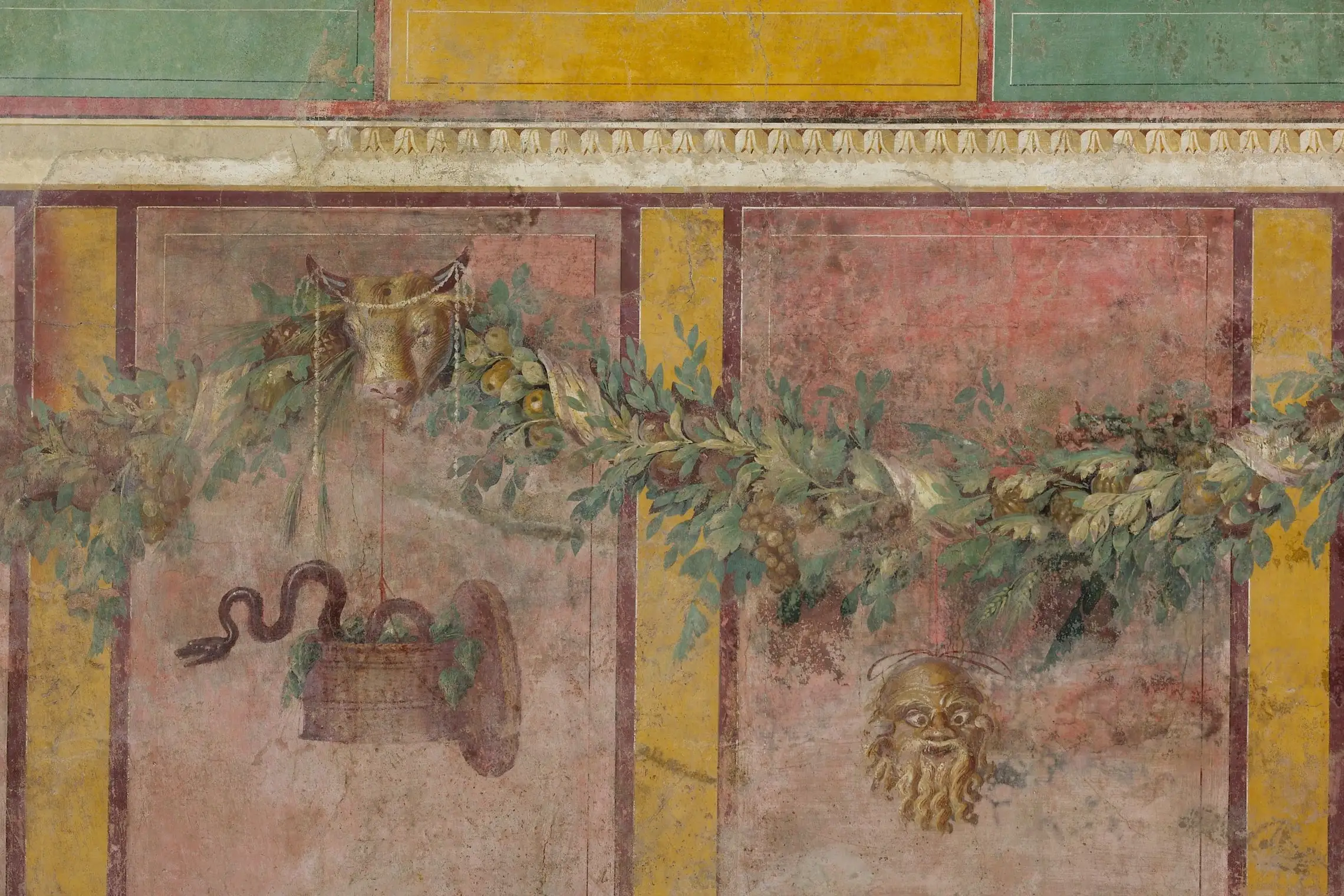
We distinguish between two kinds of perspective: speculative and practical. The first encompasses optical theory, while the second involves the art of representing objects as the eye perceives them, arranged at a distance. Its subdivisions are linear perspective and aerial perspective, depending on whether they deal with form alone or with both form and color.
Artists today excel in the rigorous art of perspective, but did the ancients possess a thorough knowledge of it? This is a highly controversial question, which we will now endeavor to elucidate.
During the 17th and 18th centuries, several remarkable scholars attempted to prove, not without success, that all branches of art were known to the ancients, and that perspective, in particular, had been brought by them to its highest degree. Although the partisans of antiquity were numerous, there were nevertheless severe detractors who had the temerity—for it was temerity at the time—to deny the ancients any knowledge of perspective, which, according to them, was attributed to them out of blind admiration.
To this end, both sides invoked every possible author, cited every available text, and supported opinions of varying degrees of exaggeration. Despite so many learned dissertations, the question has never been definitively settled, and the time has come to resolve it.
The Origins of Perspective in Architecture and Sculpture
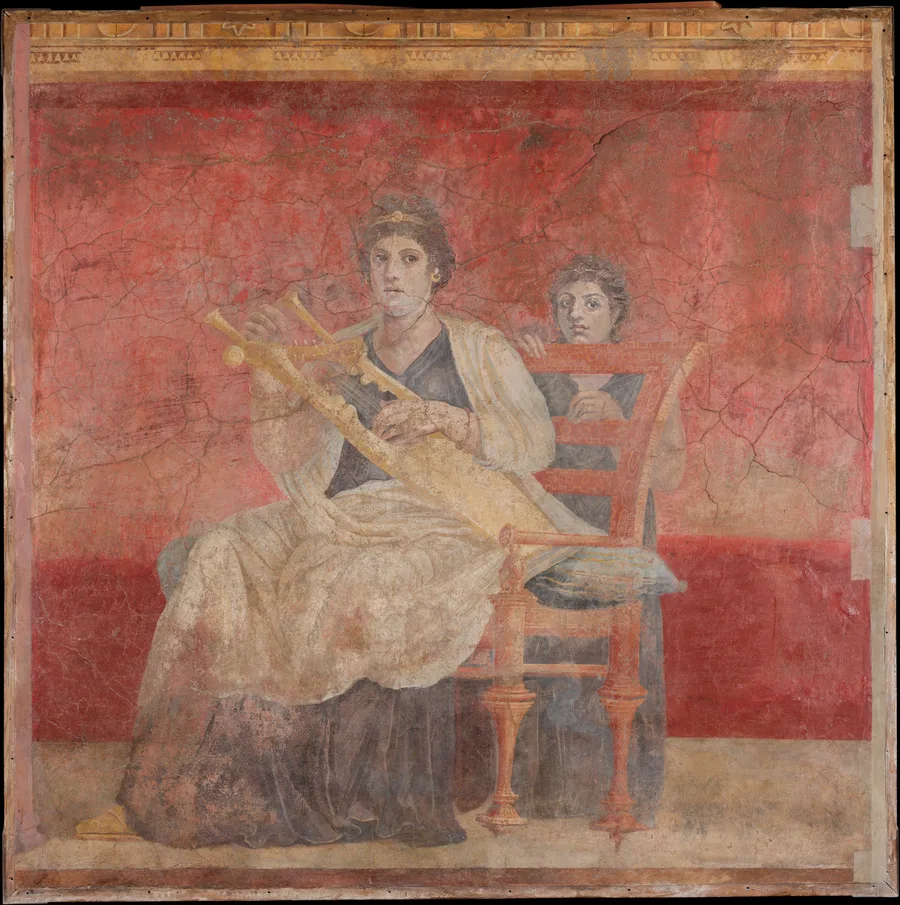
Before we begin, it seems appropriate to discuss the etymology of the word "perspective." It comes from the Latin perspecta or perspicio, meaning "I consider attentively, I examine closely." This might suggest that the Greeks had little knowledge of the theory, since the word has no equivalent in their language.
However, one cannot doubt the relatively extensive notions the ancients had of linear perspective and optics. Their architects, in particular, deeply imbued with the power that geometric forms combined with skillfully calculated proportions can exert on the human mind, early on demonstrated a combination of rare qualities and diverse knowledge. Consequently, architecture was ranked by Plato and Cicero among the most important sciences, alongside philosophy and medicine. Vitruvius all but requires the architect to know everything; for in addition to history, which provides precious indications for decorative elements; music, which teaches him how to arrange a theater according to the laws of acoustics; and astronomy, which is useful for the construction of sundials, he demands a thorough study of drawing, geometry, optics, arithmetic, and physics—sciences that, as we know, are closely related to architecture.