
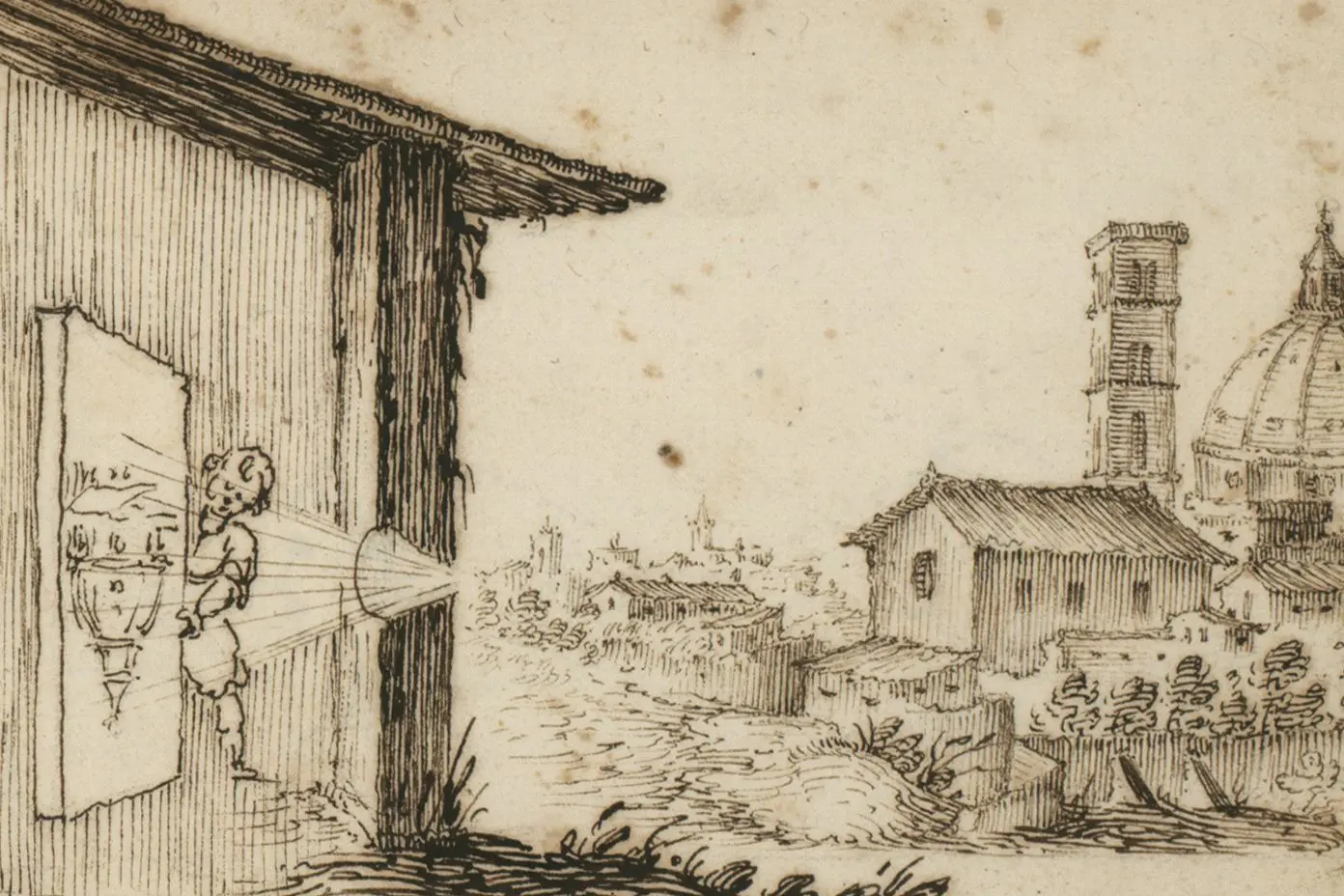
While admiring the perfection of those images that faithfully reproduce the appearance of external objects, reflected by the optical combination we call the camera obscura, one sometimes wonders how it is that photography, which produced them, has for so long been powerless to achieve truly indisputable progress in its practical application and use, especially when it has sought to place an infinite quantity of useful reproductions at the service of art or science.
The Lag in Industrial Application
The reason for this is that the entire effort of photographers—whether artists, amateurs, or professional scientists—has been preferentially directed toward the production of master plates, or clichés. For a long time, the durable multiplication of these images remained a secondary concern for them. There was a rush to enjoy the marvelous effects of these magical drawings, improvised by light itself. Millions of portraits and insignificant banalities, followed by the eccentricities of the stereoscope, came to inflame the curiosity of the entire world.
All the vulgar instincts of the public found satisfaction in this, and the success of industrial photography, whether honest or clandestine, was immense. But for a long time, the interests of art and the education of public taste occupied only a very limited place in the prodigious activity of this production, which lacked character and serious results.
Today, the period of astonishment caused by the photographic phenomenon is drawing to a close. People everywhere have gradually become familiar with the magical hatching of these images, which appear spontaneously at the simple contact of reality. We are beginning to understand that the time has come to ask of photography all that it ought to give. Art in its traditions, and nature in its visible grandeurs as well as in its mysteries, must finally become the superior goal of the efforts of this nascent industry and its future developments.
What new and precious elements for history and philosophy is it not destined to conquer for us! How many unknown, forgotten, or degraded monuments, often impossible to reproduce by drawing, will thus be able to reappear in the light of day! Just yesterday, it was the colossal ruins of the mysterious city of Angkor, in upper Cambodia, whose secrets a bold practitioner went alone, into a hostile country, to steal from their burial place in the humid solitudes of the jungles. At the Universal Exposition, the admirable collections of English explorers evoked before us the fairytales of Arab architecture in India and the somber horrors of Brahmanical excavations.
Our French travelers—Charnay in Mexico, Cammas and Méhédin in Egypt, and so many others in the Orient, in Persia, Japan, and China—have brought their contribution to this new and grandiose inquiry into the entirety of the works of monumental art created by humanity, an inquiry reserved for our 19th century. What would we know of the true appearance of the classical ruins of those abandoned temples in Greece, Paestum, or Sicily, without the help of these astonishing photographs? One day, when they are remade under different conditions, they will allow us to reconstruct mathematically, without leaving our study, even the smallest measurements of their construction.