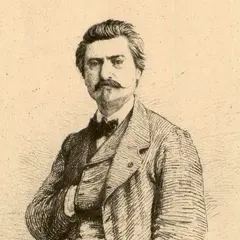
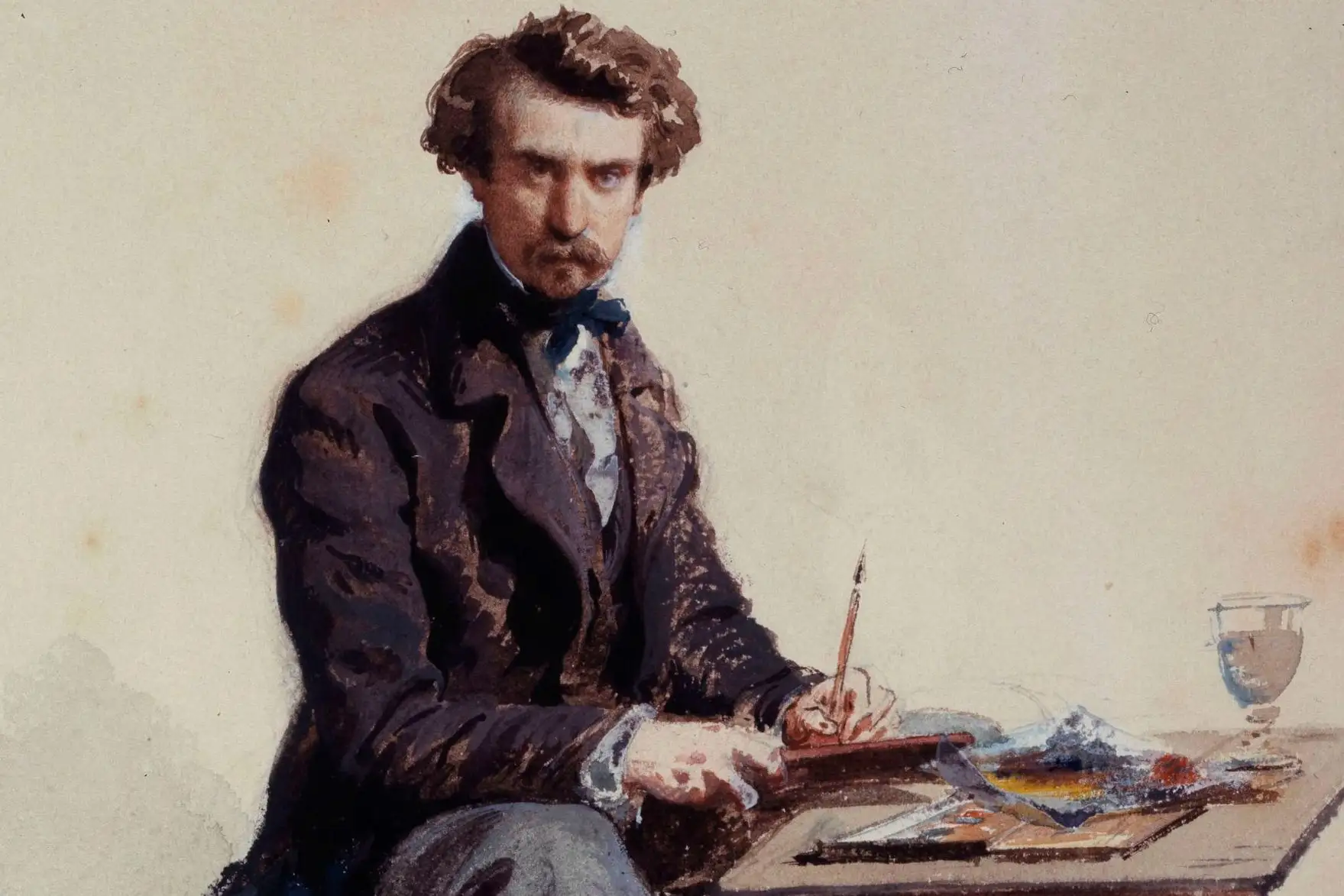
On September 8, a gathering of friends, students, and colleagues assembled at the church of La Trinité to bid a final farewell to the French artist Isidore Pils, who had died a few days prior in the full plenitude of his talent. The attendance was large and solemn. The loss being mourned was not just the void left in the French School, but the friend, the upright and sincere man. Death had just committed an injustice.
A few words spoken at the grave by M. Lefuel revealed a lifetime of suffering to those who had only known the surface of the man. Before his death, Pils had expressed a formal wish that the final farewell be addressed to him in the briefest possible form. He was eager to give his mortal vessel the rest that life had denied it. His colleagues were scrupulously faithful to his last wishes. His friends will not hold it against me if I come here to recall the artist's works and the reasons why the French School should mourn the loss it has just suffered.
Early Life and Artistic Beginnings
Isidore-Alexandre-Auguste Pils was born in Paris on November 7, 1815. His father, an old soldier of the Empire, had fought in all the wars of that glorious era alongside Marshal Oudinot, to whom he remained attached until the marshal's death. This background explains the son's military tastes and his tendency to depict scenes of army life. There, he was on his own terrain, among family. Amid the regiments and maneuvers, he rediscovered the memories of his childhood and the affections of his youth.
Entirely without fortune, Pils's father bequeathed to his two sons nothing but a singular aptitude for drawing. A few collectors own sketches by him that attest to the precocity of this talent. The child's career was already laid out. Pils had the rare good fortune, for a poor child, of not having his vocation thwarted by paternal disapproval. In 1834, he entered the studio of M. Picot, whom he would succeed at the Institut thirty-five years later. His brother, Édouard-Aimé, also pursued painting as a student at the École des Beaux-Arts and exhibited religious and military scenes at the Salons of 1845, 1848, and 1849 before his death in 1852. He was born in 1823.1
The Influence of Picot and the Path to Rome
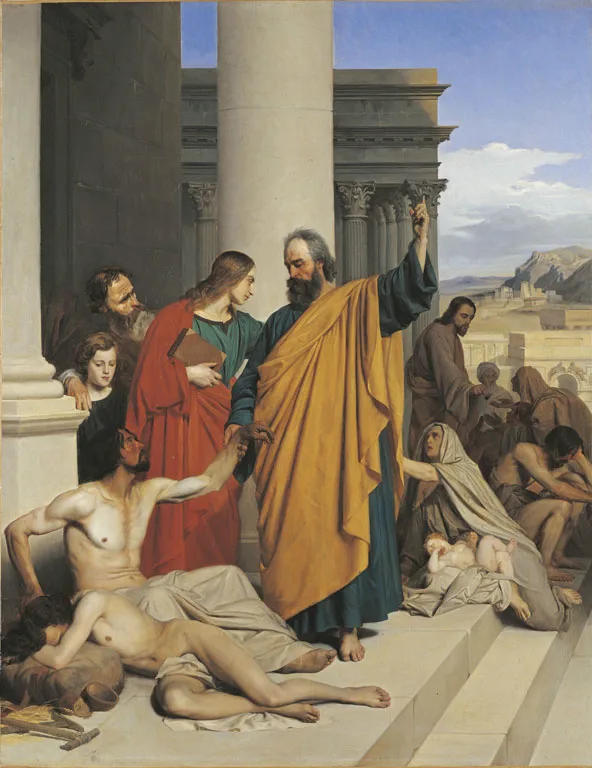
François-Édouard Picot did not leave a dazzling mark on the art world. Lacking any pronounced originality, the painter of Love and Psyche and the dome of Saint-Vincent-de-Paul possessed neither the temperament of a draftsman nor that of a colorist that might stir controversy and impassion public opinion. Though well-versed in the practice of his art, he lacked the divine spark. He would, however, leave his imprint. He had a gift for teaching and was an excellent professor.